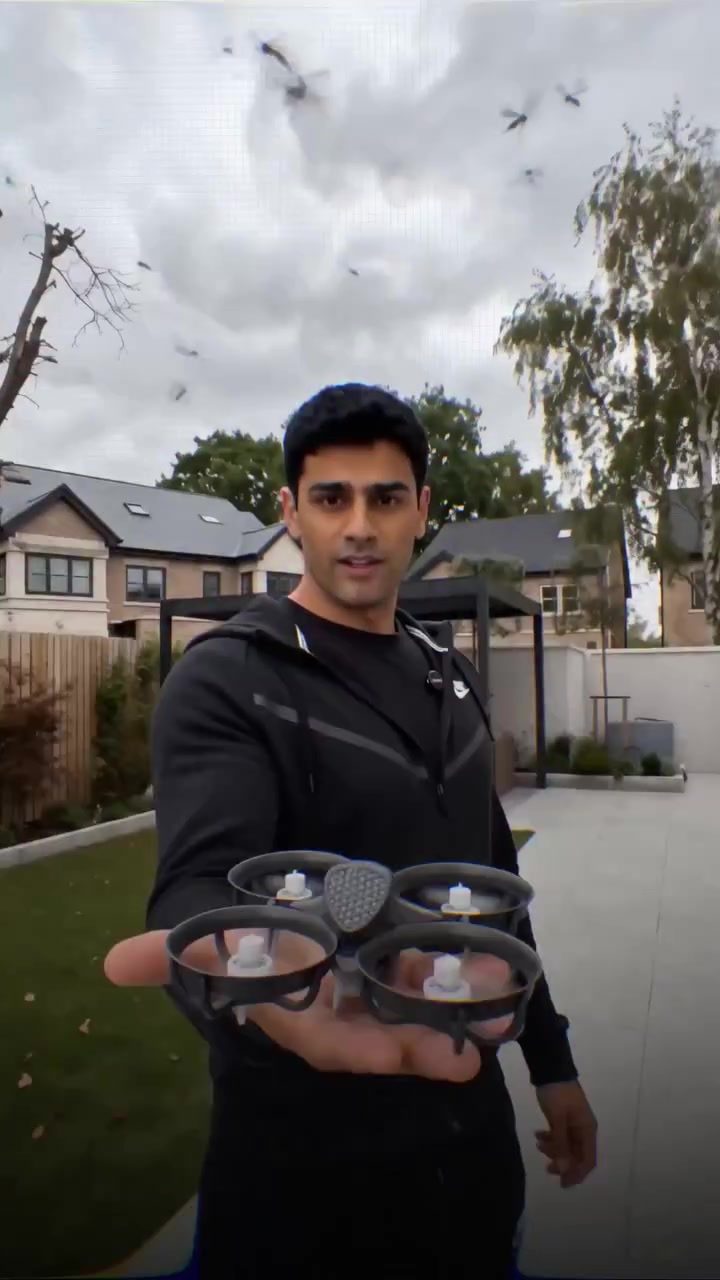
Mosquito-Hunting Drones: The Future of Pest Control
The concept of using drones for pest control is no longer a futuristic idea. Thanks to advancements in technology, we have drone units that are designed to specifically target and eliminate mosquitoes. A French startup called Tornyol has developed an autonomous drone weighing just 40 grams that can hunt mosquitoes in mid-air without causing any harm to other insects. This innovative drone utilizes advanced technology to detect and eliminate mosquitoes effectively.
Context: Why Mosquito Control Matters
Mosquitoes are more than just a nuisance; they are responsible for transmitting deadly diseases like malaria, dengue, and Zika. Traditional methods of mosquito control, such as insecticides and coils, have proven to be less effective and can have environmental and health impacts. The development of this drone offers a new, more targeted approach to mosquito control, potentially revolutionizing public health strategies.
How the Mosquito-Hunting Drone Works
The Tornyol drone operates using a combination of ultrasonic sonar and hundreds of tiny microphones. These sensors allow the drone to recognize the unique wingbeat frequency of each insect flying nearby. This precision ensures that only mosquitoes are targeted, while bees, moths, and other harmless insects are left unharmed. The drone locks onto a mosquito, chases it through the air, and eliminates it using its spinning propellers. There is no need for sprays, coils, or chemicals, making this method eco-friendly and safe for the environment.
The drone's operation is controlled through a simple app on your phone. You can draw the area you want to protect on a map, and the drone will patrol that zone autonomously. This hands-off approach means that the drone can continuously monitor and clear an area of mosquitoes without human intervention. It is believed that just 10 of these drones could clear an entire square kilometer of mosquitoes, making them a highly effective tool for large-scale pest control.
The Technology Behind the Drone
The technology powering the drone is a blend of sophisticated sensors and artificial intelligence. Ultrasonic sonar and microphones work together to create a detailed map of the surrounding airspace, allowing the drone to distinguish between different types of insects. This precision is crucial for targeting mosquitoes specifically, as other insects play vital roles in the ecosystem.
The drone's autonomous capabilities are managed through an app, which provides a user-friendly interface for setting up the patrol zones. This app-based control makes the drone accessible to a wide range of users, from homeowners to public health officials, enabling them to implement mosquito control measures with ease.
Practical Tips for Using the Mosquito-Hunting Drone
If you're considering using a mosquito-hunting drone, there are a few practical tips to keep in mind:
-
Understand the Technology: Before deploying the drone, familiarize yourself with how it works and the capabilities it offers. Understanding the technology ensures that you can use it effectively and safely.
-
Set Up Patrol Zones Wisely: When using the app to draw the patrol zones, consider areas where mosquitoes are most likely to breed and congregate, such as standing water or densely vegetated areas.
-
Monitor and Maintain: While the drone operates autonomously, it's important to monitor its performance and maintain it regularly. This includes checking the battery life, ensuring the sensors are functioning correctly, and updating the app when necessary.
-
Comply with Regulations: Depending on your location, there may be regulations regarding the use of drones. Make sure you are compliant with local laws and guidelines to avoid any legal issues.
Important Takeaways
The mosquito-hunting drone represents a significant advancement in pest control technology. Its ability to target mosquitoes specifically, without harming other insects, makes it an eco-friendly and effective solution. The use of ultrasonic sonar and microphones, combined with autonomous capabilities, ensures that the drone can operate efficiently and independently. As this technology evolves, it has the potential to greatly impact public health by reducing the spread of mosquito-borne diseases.
Conclusion
The mosquito-hunting drone developed by Tornyol is a game-changer in the field of pest control. By leveraging advanced technology and AI, this drone offers a targeted, eco-friendly solution to the problem of mosquitoes. The ability to eliminate mosquitoes without harming other insects, combined with its autonomous operation, makes it a valuable tool for both homeowners and public health officials. As the technology continues to advance, the future of mosquito control looks promising, with the potential to significantly reduce the spread of deadly diseases.
Watch the Reel
Questions readers ask
What makes the AI Mosquito Drone an eco-friendly solution for malaria control?
The AI Mosquito Drone is designed to target and eliminate mosquitoes without using harmful insecticides or affecting other insects. It is eco-friendly because it relies on advanced technology and does not release toxic chemicals into the environment, making it a safer alternative for both humans and the environment.
How does the AI Mosquito Drone detect and eliminate mosquitoes?
The AI Mosquito Drone uses sophisticated sonar technology and AI to detect mosquitoes in their flight path. Once detected, the drone can precisely target and eliminate mosquitoes while in mid-air, ensuring that other insects remain unaffected.
Can the AI Mosquito Drone be used for other types of pest control?
Currently, the AI Mosquito Drone has been designed specifically to target and eliminate mosquitoes, particularly those responsible for spreading malaria. However, the technology behind it could potentially be adapted for other pest control purposes in the future, depending on the development and testing of new algorithms.
What are the benefits of using drone technology for mosquito control?
Drone technology for mosquito control offers several benefits, including increased precision in targeting specific pests, reduced environmental impact compared to traditional methods, and the potential for widespread use in areas where mosquito-borne diseases are prevalent. Furthermore, autonomous drones like the AI Mosquito Drone can cover large areas efficiently and without human intervention.
How does the AI Mosquito Drone compare to traditional mosquito control methods?
Unlike traditional methods such as insecticides and coils, the AI Mosquito Drone provides a more targeted and eco-friendly approach to mosquito control. Traditional methods often have limited effectiveness and can harm beneficial insects and the environment. In contrast, the AI Mosquito Drone's precision technology ensures that only mosquitoes are affected.
What role does artificial intelligence play in the AI Mosquito Drone?
Artificial intelligence is crucial in the AI Mosquito Drone's operation. It enables the drone to autonomously detect mosquitoes using advanced algorithms and sonar technology, making real-time decisions to target and eliminate mosquitoes. This AI integration allows the drone to function efficiently and effectively in its mission to control mosquito populations.
Related deep dives
Similar reads based on topic and creator.


Recent articles
Fresh deep dives from the latest Reels we unpacked.




Comments
Be the first to comment.