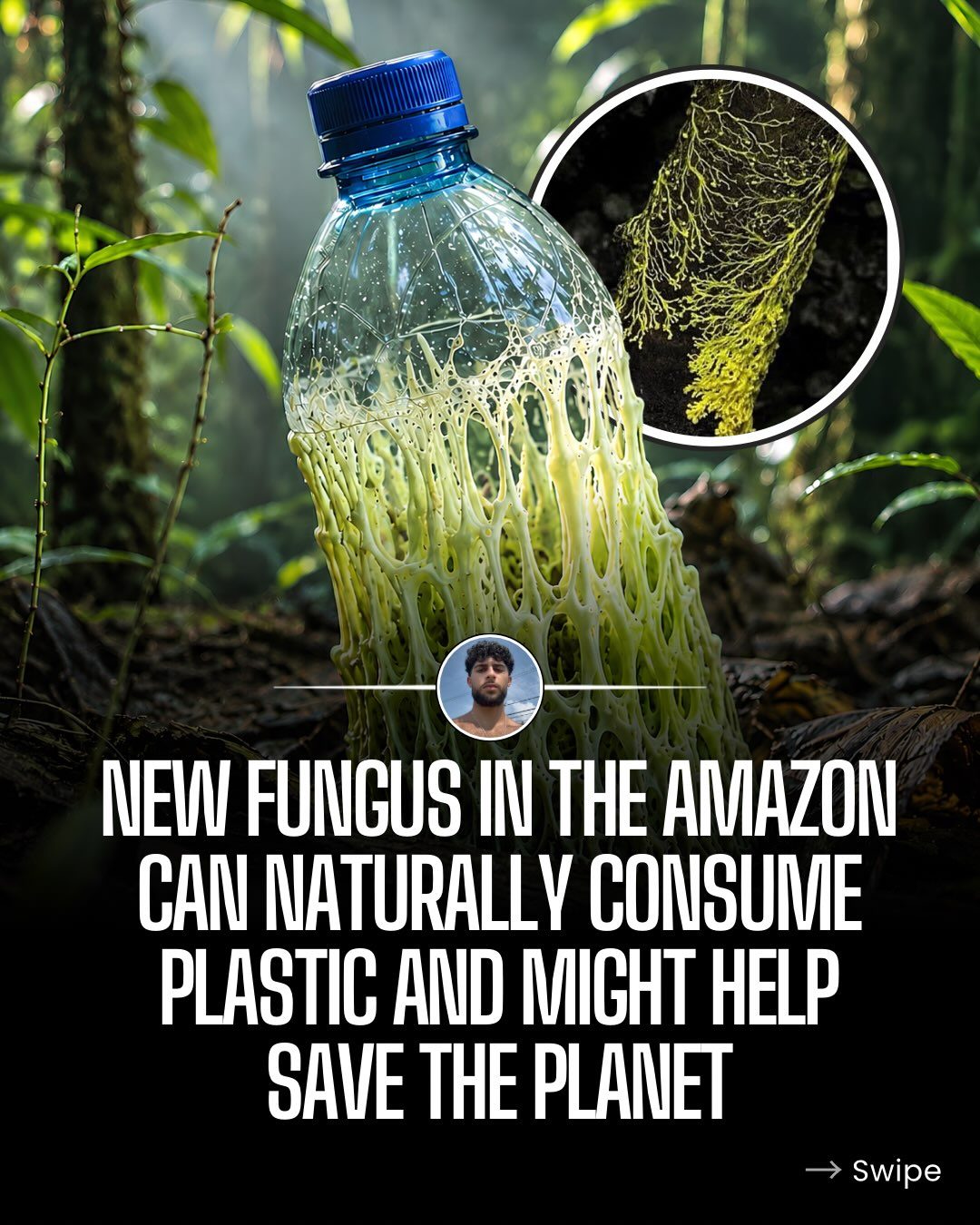
Plastic-Eating Fungus: A Natural Solution to Plastic Pollution
Plastic pollution is a global crisis, with millions of tons of plastic waste entering landfills and waterways each year. One of the most promising solutions to this problem has come from an unexpected source: a plastic-eating fungus discovered in the Ecuadorian Amazon rainforest. This fungus, known as Pestalotiopsis microspora, has the remarkable ability to consume and break down polyurethane plastic, even in dark, oxygen-free environments. This discovery by Yale University researchers offers a potential natural solution to the ever-growing plastic pollution crisis.
Why This Matters
Plastic pollution is a pervasive problem that affects ecosystems and human health worldwide. Traditional methods of disposing of plastic waste, such as incineration and recycling, are often inefficient and can cause further environmental damage. The discovery of a naturally occurring fungus that can break down plastic offers a more sustainable and eco-friendly solution. This fungus could help reduce the volume of plastic waste in landfills and improve the health of ecosystems.
Main Discussion
The Discovery of Pestalotiopsis Microspora
Researchers from Yale University made a groundbreaking discovery in the Ecuadorian Amazon rainforest. They identified a rare fungus, Pestalotiopsis microspora, that has the unique ability to consume and break down polyurethane plastic. This discovery is significant because polyurethane is one of the most commonly used plastics, found in a variety of products from packaging materials to insulation. The fungus' ability to digest polyurethane, even in dark, oxygen-free environments, makes it a promising tool for clearing deep landfills and polluted waterways.
The Unique Properties of Pestalotiopsis Microspora
Pestalotiopsis microspora stands out from other plastic-eating microorganisms due to its unique properties. Unlike many other fungi, Pestalotiopsis microspora can thrive in environments with limited oxygen, making it particularly effective in landfills and underwater environments. This adaptability is crucial for practical application, as many of the world's plastic waste dumps are not conducive to aerobic (oxygen-requiring) life.
The Environmental Impact of Plastic Pollution
Plastic pollution affects both terrestrial and aquatic ecosystems. Plastic debris can cause harm to wildlife through ingestion, entanglement, and habitat destruction. In waterways, plastic pollution can disrupt marine ecosystems, harming aquatic life and contaminating water supplies. On land, plastic waste in landfills can leach harmful chemicals into soil and groundwater, posing a threat to human health.
Pestalotiopsis microspora offers a potential solution to these problems. By breaking down polyurethane plastic, this fungus can help reduce the volume of plastic waste in landfills and waterways, mitigating the environmental impact of plastic pollution.
Clearing Deep Landfills
One of the most promising applications of Pestalotiopsis microspora is its use in clearing deep landfills. These sites are often characterized by limited oxygen and light, making them difficult to manage using traditional waste disposal methods. The fungus' ability to survive and digest plastic in these harsh conditions makes it a powerful tool for waste management and environmental restoration.
Practical Tips
Implementing Fungal Bio-remediation
To capitalize on the potential of Pestalotiopsis microspora, researchers and environmentalists are exploring various methods of implementing fungal bio-remediation. This process involves the use of living organisms to break down pollutants and restore contaminated environments. Here are some practical tips for implementing fungal bio-remediation:
- Identify Suitable Sites: Start by identifying suitable sites for fungal bio-remediation. Deep landfills, polluted waterways, and other environments with limited oxygen and light are ideal for the application of Pestalotiopsis microspora.
- Conduct Laboratory Testing: Before implementing fungal bio-remediation on a large scale, conduct laboratory testing to determine the effectiveness of the fungus in breaking down different types of plastic waste. This will help ensure that the process is efficient and effective.
- Monitor Progress: Regularly monitor the progress of the fungal bio-remediation process. This includes tracking the volume of plastic waste and the health of the environment as the fungus works to break down the plastic.
- Evaluate Environmental Impact: Assess the environmental impact of the bio-remediation process. Ensure that the use of the fungus does not cause further harm to the ecosystem and that it effectively reduces plastic pollution.
Encouraging Further Research
The discovery of Pestalotiopsis microspora is just the beginning of a new era in waste management and environmental restoration. Further research is needed to fully understand the potential of this fungus and to develop effective methods for its application. Encouraging research in this field can help unlock new solutions to the plastic pollution crisis and contribute to a more sustainable future.
Important Takeaways
The discovery of the plastic-eating fungus, Pestalotiopsis microspora, offers a potential natural solution to the growing problem of plastic pollution. This fungus, found in the Ecuadorian Amazon rainforest, has the unique ability to consume and break down polyurethane plastic, even in dark, oxygen-free environments. Its potential applications in clearing deep landfills and polluted waterways make it a powerful tool for waste management and environmental restoration. By implementing fungal bio-remediation and encouraging further research, we can harness the power of this fungus to create a cleaner, healthier planet.
Conclusion
The discovery of Pestalotiopsis microspora represents a significant breakthrough in the fight against plastic pollution. This plastic-eating fungus offers a promising natural solution to a global crisis, with the potential to revolutionize waste management and environmental restoration. As we continue to explore the applications of this remarkable fungus, we can look forward to a future where plastic pollution is significantly reduced, and ecosystems are restored to their natural state.
Watch the Reel
Questions readers ask
What is the name of the fungus that can break down plastic?
The fungus that can naturally break down polyurethane plastic is called Pestalotiopsis microspora. It was discovered in the Amazon rainforest, specifically in Ecuador.
How does the plastic-eating fungus work?
Pestalotiopsis microspora can consume and break down polyurethane plastic, even in environments without light or oxygen. This makes it particularly useful for tackling plastic waste in landfills, which are typically dark and oxygen-deprived.
Where was the plastic-eating fungus discovered?
The fungus was discovered in the Ecuadorian Amazon rainforest by researchers from Yale University, who were exploring sustainable solutions for plastic waste management.
Can this fungus help reduce landfill waste?
Yes, because Pestalotiopsis microspora can thrive in the conditions found in landfills, it has the potential to significantly reduce the volume of plastic waste in these environments, aiding in more sustainable waste management.
What type of plastic can the fungus break down?
The fungus is known to break down polyurethane plastic. This type of plastic is commonly used in a variety of products, including foam insulation, carpet underlay, and even some types of footwear.
What other organisms could potentially help with plastic pollution?
While Pestalotiopsis microspora is a notable example, other microorganisms and enzymes are also being studied for their ability to break down different types of plastics. Bacteria such as Ideonella sakaiensis, which can degrade PET plastic, are also of interest to researchers.
What are the potential benefits of using this fungus for plastic waste?
Using Pestalotiopsis microspora to manage plastic waste could lead to reduced pollution in landfills and waterways, decreased reliance on traditional waste management methods, and improved ecosystem health. It also offers a natural and sustainable approach to tackling the global plastic pollution crisis.
Related deep dives
Similar reads based on topic and creator.




Recent articles
Fresh deep dives from the latest Reels we unpacked.

Comments
Be the first to comment.