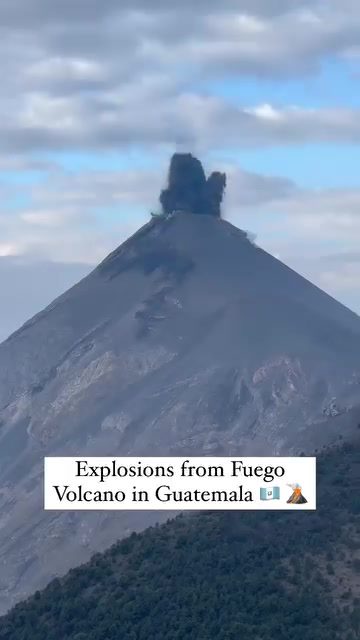
Volcanic Eruptions at Fuego Volcano in Guatemala
Fuego Volcano, located in Guatemala, is one of the most active volcanoes in the world. Known for its frequent explosions and dramatic displays of ash and smoke, this volcano offers a unique and awe-inspiring sight, especially from the safety of a base camp. The Fuego Volcano, or "Volcán de Fuego" in Spanish, is part of the Ring of Fire, a region known for its high level of seismic and volcanic activity.
Context / Why this matters
Fuego Volcano is not just a natural wonder; it is also a significant geological feature that plays a crucial role in the local ecosystem and culture. Understanding the dynamics of this volcano is important for several reasons, including safety, scientific research, and the overall appreciation of the natural world. For those interested in geology, volcanology, or simply the beauty of nature, the Fuego Volcano offers a fascinating study.
Main Discussion
The Geological Features of Fuego Volcano
Fuego Volcano is part of the Pacific Ring of Fire, a region known for its high level of seismic and volcanic activity. The volcano is a stratovolcano, characterized by its steep, conical shape. Its eruptions are typically Strombolian, which means they involve moderate explosions that eject lava, ash, and volcanic bombs. These explosions can be both stunning and dangerous, necessitating constant monitoring by local authorities.
The volcanic activity at Fuego often includes the emission of ash and smoke plumes. These plumes can rise thousands of meters into the air and spread over large distances, affecting the quality of the air and visibility. The constant explosions are a result of the magma chamber beneath the volcano, which is constantly replenished with fresh magma from deeper within the Earth.
The Local Impact
Fuego Volcano's eruptions have a significant impact on the local communities in Guatemala. Ashfall can damage crops, contaminate water sources, and cause respiratory issues among residents. The constant threat of pyroclastic flows and lahars (mudflows) also poses a risk to nearby settlements. However, the volcano is also a major tourist attraction, drawing visitors from around the world who come to witness its explosive displays from a safe distance.
Safety and Monitoring
Given the frequent and unpredictable nature of Fuego Volcano's eruptions, safety is a primary concern. The Guatemalan government, along with international agencies, closely monitors the volcano using various tools and techniques. These include seismic monitoring to detect ground vibrations, gas sensors to measure the release of volcanic gases, and visual observations to track the behavior of the volcano.
Base camps set up around the volcano provide a relatively safe vantage point for observing the eruptions. These camps are equipped with essential supplies and safety measures to ensure the well-being of visitors and researchers. However, it's crucial to follow all safety guidelines and heed warnings from local authorities to minimize risks.
Practical Tips
When to Visit
The best times to visit Fuego Volcano are during the dry season, from November to April. During these months, the weather is generally clearer, providing better visibility for viewing the volcano's eruptions. However, it's important to note that volcanic activity can occur year-round, and the intensity of eruptions can vary.
What to Bring
Visiting Fuego Volcano requires some preparation. Bring a sturdy pair of hiking boots, a backpack with essential supplies, and appropriate clothing for varying weather conditions. A high-quality camera or smartphone with a good zoom lens is also recommended to capture the dramatic scenes from a safe distance. Always carry a map and a compass, and consider hiring a local guide who is familiar with the area and its hazards.
Safety Guidelines
Always follow the guidelines set by local authorities and experienced guides. Stay within designated safe zones and avoid areas that are off-limits due to high risk. Keep a safe distance from the volcano's base and be prepared to evacuate if necessary. Stay informed about the volcano's current activity level and any warnings issued by local authorities.
Important Takeaways
Respect the Power of Nature
Fuego Volcano is a powerful and unpredictable force of nature. While it is awe-inspiring to witness, it is essential to respect its power and the potential dangers it poses. Always prioritize safety and follow the guidelines provided by local authorities and experienced guides.
The Importance of Monitoring
The constant monitoring of Fuego Volcano is crucial for the safety of local communities and visitors. It allows for timely warnings and evacuations, minimizing the risk of injury and damage. Support for scientific research and monitoring efforts is essential for understanding and predicting volcanic activity.
Understanding Volcanic Activity
Volcanic eruptions, while dramatic, are a natural part of the Earth's geological processes. Understanding the mechanisms behind these eruptions can provide valuable insights into the planet's dynamics and help us prepare for future events. Whether you are a geologist, a nature enthusiast, or simply curious about the natural world, observing Fuego Volcano offers a unique and educational experience.
Conclusion
Fuego Volcano in Guatemala is a stunning display of nature's raw power. Its frequent explosions and dramatic plumes of ash and smoke attract visitors from around the world, offering a once-in-a-lifetime experience. However, it is crucial to approach this natural wonder with respect and caution, following all safety guidelines and staying informed about the volcano's current activity.
By understanding the geological features, local impact, and safety measures, you can fully appreciate the awe-inspiring beauty of Fuego Volcano while ensuring your safety and the well-being of the local communities.
Watch the Reel
Questions readers ask
How often does Fuego Volcano erupt?
Fuego Volcano is one of the most active volcanoes globally. It experiences frequent eruptions, sometimes even multiple times a day, making it a dynamic and exciting subject for observation and study.
Is it safe to camp near an active volcano like Fuego?
While base camps near Fuego Volcano offer a unique experience, safety is paramount. Campers should follow guidelines from local authorities and experienced guides to maintain a safe distance from the volcano and be prepared to evacuate if necessary.
What can visitors expect to see and hear during an eruption at Fuego Volcano?
Witnessing an eruption from a base camp can be awe-inspiring. Visitors may see impressive displays of ash and smoke, along with lava, accompanied by rumbling sounds that add to the dramatic experience.
Why is Fuego Volcano part of the Pacific Ring of Fire?
Fuego Volcano is part of the Pacific Ring of Fire due to its location on the boundary of several tectonic plates. This region is known for its high level of seismic and volcanic activity, making Fuego a significant geological feature.
How do eruptions at Fuego Volcano impact local ecosystems and communities?
Eruptions at Fuego Volcano significantly influence local ecosystems by enriching soil and shaping landscapes. For communities, eruptions pose risks but also offer opportunities for scientific research and tourism, contributing to local awareness and preparedness.
What should I pack for a trip to Fuego Volcano's base camp?
Preparing for a trip to Fuego Volcano's base camp involves packing essentials like sturdy hiking boots, warm and waterproof clothing, a helmet, and protective eyewear. Additionally, bring a good camera to capture the dramatic views and eruptions.
Related deep dives
Similar reads based on topic and creator.




Recent articles
Fresh deep dives from the latest Reels we unpacked.



Comments
Be the first to comment.