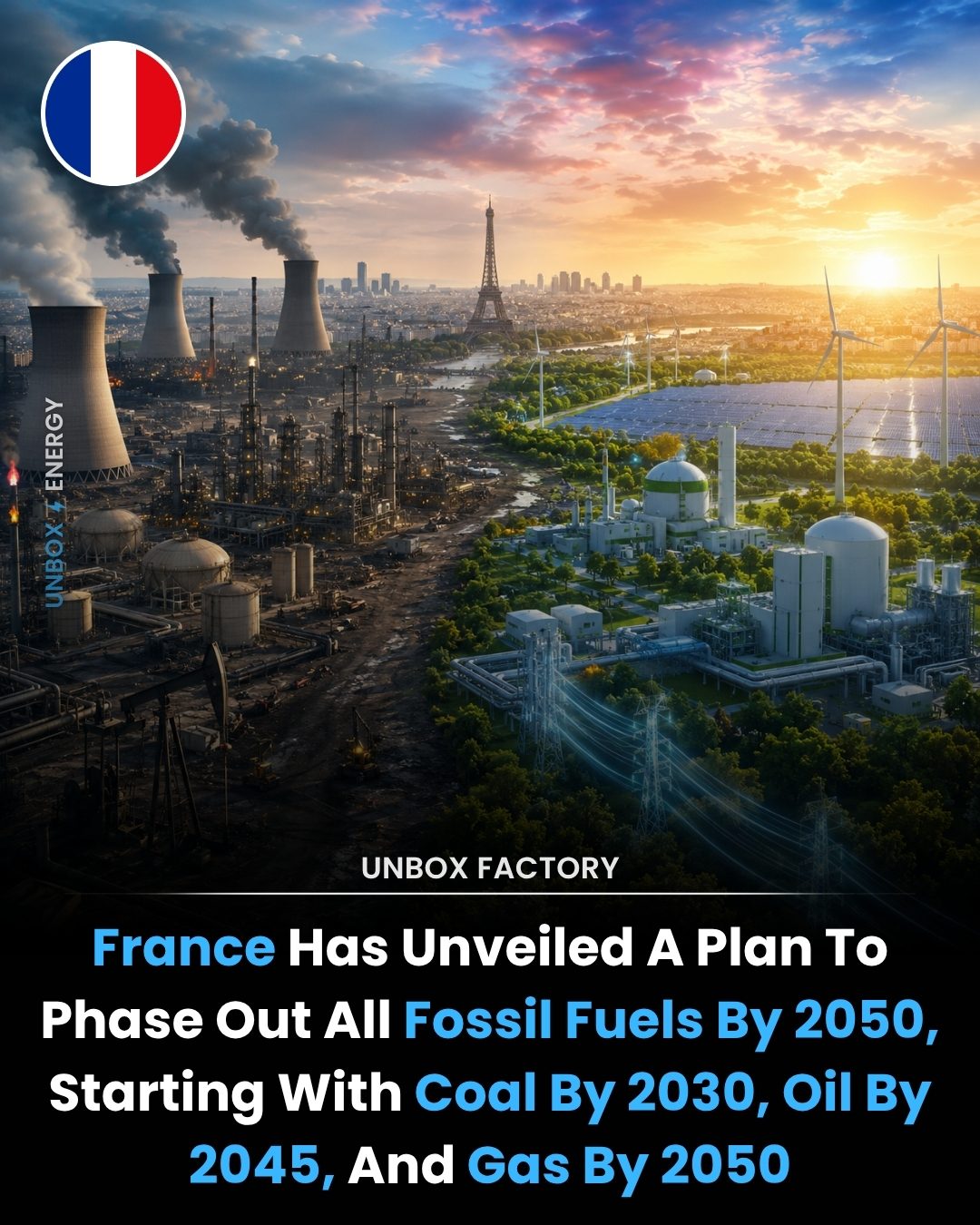
France has outlined an ambitious energy transition plan, aiming to eliminate fossil fuel use by 2050. This roadmap targets the complete phase-out of coal by 2030, oil by 2045, and natural gas by 2050. This transition will be facilitated through the adoption of nuclear power, renewable energy, electrification, and low-carbon hydrogen.
Why This Matters
France's commitment to phasing out fossil fuels is significant for several reasons. Firstly, it underscores the country's dedication to combating climate change by reducing greenhouse gas emissions. Secondly, it positions France as a leader in Europe's broader energy transition efforts. Lastly, the plan highlights the potential for integrating nuclear power and renewable energy sources to meet energy demands sustainably.
The Transition Plan
Phasing Out Fossil Fuels
France's plan is meticulously detailed, with specific timelines for phasing out different types of fossil fuels. Coal, one of the most polluting fossil fuels, will be phased out by 2030. This decision is crucial as coal is a significant contributor to air pollution and greenhouse gas emissions.
Oil, another critical energy source, will be phased out by 2045. This move is particularly impactful as oil is extensively used in transportation, industry, and heating. Replacing oil with renewable and low-carbon alternatives will require substantial innovation and infrastructure development.
Natural gas, the last fossil fuel to be phased out, has its timeline set to 2050. Although natural gas is cleaner than coal and oil, it still contributes to greenhouse gas emissions. The transition away from natural gas will likely focus on increasing the use of renewable energy sources and improving energy efficiency.
Replacement with Nuclear and Renewable Energy
France already produces around 70% of its electricity from nuclear power, the highest share among major economies. Nuclear power is seen as a stable and low-emission source of energy, complementing France's push for renewable energy. The country plans to construct at least six new EPR2 nuclear reactors, a next-generation nuclear reactor design, to bolster its nuclear energy capacity.
Renewable energy sources, such as wind and solar, are also set to play a crucial role in the transition. France aims to invest billions in offshore wind and solar energy projects. This investment is part of a broader strategy to increase the share of renewable energy in the country's energy mix.
In addition to nuclear and renewable energy, France is exploring other low-emission technologies. Electrification of various sectors, including transportation and heating, will help reduce the reliance on fossil fuels. Low-carbon hydrogen is another promising technology being considered for industrial applications and as a storage medium for renewable energy.
Nuclear Energy: A Key Component
Nuclear energy is a central part of France's energy transition plan. The country's extensive use of nuclear power has already helped it achieve a significant reduction in greenhouse gas emissions. By building new EPR2 nuclear reactors, France aims to maintain its position as a leader in nuclear energy while contributing to its climate goals.
The EPR2 reactor is designed to be safer and more efficient than previous models. It incorporates advanced safety features and produces less radioactive waste, making it a more sustainable option for nuclear energy production. France's investment in new nuclear reactors will enable the country to meet its energy demands reliably while minimizing environmental impact.
Renewable Energy: Diversifying the Energy Mix
Renewable energy sources, particularly wind and solar, are essential components of France's energy transition plan. Offshore wind farms, which harness the power of wind over bodies of water, offer a reliable and predictable source of energy. France's investment in offshore wind projects will help diversify its energy mix and reduce its dependence on fossil fuels.
Solar energy is another critical renewable energy source. France is investing in large-scale solar projects to generate electricity from sunlight. These projects will not only contribute to the country's energy needs but also create jobs and stimulate economic growth in the renewable energy sector.
Electrification and Low-Carbon Hydrogen
Electrification involves replacing fossil fuel-based systems with electric ones. This transition is particularly relevant for the transportation sector, where electric vehicles (EVs) are becoming increasingly popular. By promoting the use of EVs, France aims to reduce its dependence on oil and lower its greenhouse gas emissions.
Low-carbon hydrogen is another promising technology being explored by France. Hydrogen can be produced through electrolysis, a process that uses electricity to split water into hydrogen and oxygen. When the electricity used in this process comes from renewable sources, the resulting hydrogen is considered low-carbon. This hydrogen can then be used in various industrial applications, such as steel and chemical production, or as a storage medium for renewable energy.
Greenhouse Gas Emissions Reduction Goals
France's energy transition plan is part of a broader strategy to cut greenhouse gas emissions by 55% by 2030 compared with 1990 levels. Achieving this goal requires a comprehensive approach that combines energy efficiency, renewable energy, and low-emission technologies.
One of the key strategies for reducing greenhouse gas emissions is improving energy efficiency. This involves using less energy to achieve the same or better results. France is implementing various measures to enhance energy efficiency, including building retrofits, energy-efficient appliances, and smart grid technologies.
Practical Tips for Adopting Renewable Energy
As France transitions to a low-carbon economy, individuals and businesses can play a role in supporting this shift. Here are some practical tips for adopting renewable energy:
For Individuals
- Switch to Renewable Energy Suppliers: Choose energy suppliers that offer renewable energy options. Many providers now offer plans that source electricity from wind, solar, or other renewable sources.
- Install Solar Panels: If you own a home, consider installing solar panels to generate your own electricity. This not only reduces your carbon footprint but also can save you money on energy bills.
- Use Energy-Efficient Appliances: Replace old appliances with energy-efficient models. Look for appliances with high Energy Star ratings to maximize energy savings.
- Drive Electric: Consider switching to an electric vehicle (EV). EVs produce zero tailpipe emissions and are more energy-efficient than conventional cars.
- Improve Home Insulation: Ensure your home is well-insulated to reduce heating and cooling needs. This can significantly lower your energy consumption and save you money.
For Businesses
- Invest in Renewable Energy Projects: Businesses can invest in renewable energy projects, such as wind farms or solar parks. This not only helps the environment but also can be a sound financial investment.
- Adopt Energy Management Systems: Implement energy management systems to track and optimize energy use. This can help identify areas for improvement and reduce overall energy consumption.
- Promote a Green Workplace: Encourage employees to adopt sustainable practices, such as using energy-efficient appliances and reducing waste. This can create a culture of sustainability within the company.
- Electrify Fleets: If your business relies on transportation, consider electrifying your fleet. This can significantly reduce your carbon footprint and lower fuel costs.
- Engage with the Community: Collaborate with local communities and organizations to promote renewable energy and sustainability. This can help create a supportive environment for your business and contribute to a greener future.
Important Takeaways
France's ambitious energy transition plan sets a clear roadmap for phasing out fossil fuels and embracing a low-carbon future. The plan's key takeaways include:
- Timeline for Fossil Fuel Phase-Out: Coal by 2030, oil by 2045, and natural gas by 2050.
- Nuclear Power: Essential for stable, low-emission energy production.
- Renewable Energy: Wind and solar projects will diversify the energy mix.
- Electrification and Hydrogen: Crucial for reducing fossil fuel dependence in various sectors.
- Greenhouse Gas Emissions Reduction: Cutting emissions by 55% by 2030 compared with 1990 levels.
- Role of Individuals and Businesses: Active participation in adopting renewable energy and sustainable practices.
Conclusion
France's commitment to phasing out fossil fuels by 2050 is a testament to its dedication to combating climate change and transitioning to a sustainable energy future. By leveraging nuclear power, renewable energy, and innovative technologies, France aims to achieve its ambitious goals while maintaining energy security and economic growth. The country's ambitious energy transition plan serves as an inspiration for other nations to follow suit and work towards a greener, more sustainable future.
Watch the Reel
Questions readers ask
What are the key milestones in France's 2050 energy transition plan?
France aims to phase out coal by 2030, oil by 2045, and natural gas by 2050. These milestones are part of the country's broader goal to eliminate fossil fuel use by 2050, transitioning to cleaner energy sources.
How does France plan to meet its energy demands during the transition?
France intends to rely on a mix of nuclear power, renewable energy, and low-carbon hydrogen. This combination aims to provide a steady and sustainable energy supply as fossil fuels are phased out.
Why is France phasing out natural gas later than coal and oil?
The phasing out of natural gas by 2050 is a gradual process because natural gas is currently one of the cleanest fossil fuels. It is considered a transitional energy source while France builds up its nuclear and renewable energy infrastructure.
What role does nuclear power play in France's energy transition?
Nuclear power is a key component of France's energy transition, providing a reliable and low-emission energy source. France intends to maintain and potentially expand its nuclear capacity to meet energy demands while reducing reliance on fossil fuels.
How will France's energy transition affect its energy independence?
By increasing its reliance on nuclear and renewable energy, France aims to reduce its dependence on imported fossil fuels. This shift can enhance France's energy independence and security while contributing to broader European energy transition efforts.
What part of France's energy transition plan focuses on renewable energy?
France is investing in various renewable energy sources, including wind and solar. This investment is crucial for reducing greenhouse gas emissions and meeting the country's energy demands sustainably, alongside nuclear power and low-carbon hydrogen.
How will low-carbon hydrogen be used in France's energy transition?
Low-carbon hydrogen will be used to decarbonize various sectors, including industry and transportation. It provides a flexible and versatile energy carrier that can be produced using renewable energy sources, supporting France's goal of a fossil fuel-free future.
Related deep dives
Similar reads based on topic and creator.

Recent articles
Fresh deep dives from the latest Reels we unpacked.




Comments
Be the first to comment.