A Century of Climate Extremes
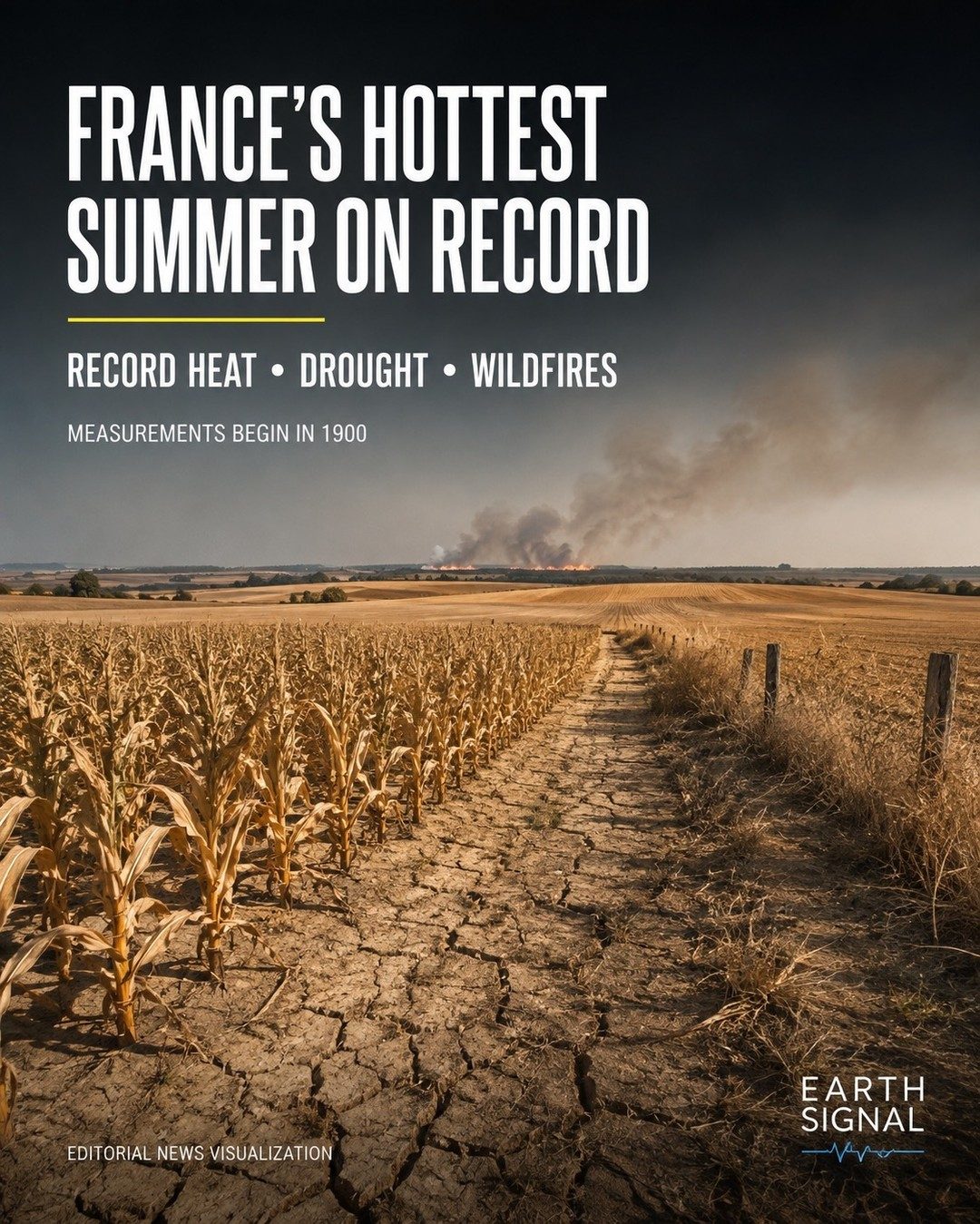
France's summer of 2022 was a blistering anomaly. Parching heat, drought, and raging infernos plagued France, making the summer its hottest season in over a century. Dry earth cracked and cornstalks fried under the sun's unrelenting glare, while wildfires ravaged the countryside, Nature's fury etched starkly into the landscape. The unprecedented heatwave, with temperatures exceeding 40°C, lasted for weeks, smashing previous records. Not only were these temperatures alarming, but the dry conditions persisting across the nation led to catastrophic crop failures and nationwide water restrictions. The reality behind the numbers Record-breaking heatwaves are not just fleeting moments of discomfort but foreboding indicators of a shifting climate. For the first time ever, measurements of these conditions began in 1900, the new norm is a dire consequence of climate change. France isn't alone in experiencing such extremes. The perilous march of climate change is being observed across the globe — from the Siberian Arctic's fire scars to the Mediterranean's drought-ravaged countryside. Intense weather patterns are escalating faster than anticipated, forcing governments and societies to scramble for solutions. Meanwhile, France cannot rest on the laurels of merely surviving the summer onslaught. What awaits in the unpredictable future? As the continent continues experiencing new warmth, the temperature-driven shift is here to stay.
the cost of Extreme Heat
Health crises were widespread, with heat-related deaths skyrocketing across the country. But the impacts went beyond human suffering. The combustibility of the countryside meant that wildfires became a common sight. Homes and livestock were lost, lives were upended, and the environment was scarred. The financial toll was immense, with the insurance sector suffering a massive impact. The water crisis, too, was catastrophic. Farmers saw their crops wilt and die. Livestock perished due to lack of water and fodder. And it wasn't just the rural areas — urban centres were equally battered. The heat and drought created severe water shortages, disrupting daily life and forcing many to rely on bottled water. The water scarcity aggravated the wildfires. Fires raged uncontrollably with no reserve of water to douse them. But the problem extends further than loss of life and land. Displacement of these people will exacerbate the already existing issues in housing and infrastructure. Though the fires have abated for now, mitigating their impact will take years, if not decades. The country has already struggled with the consequences of the 2019 wildfires in the Pinatubo region. The French government and the public must learn from their past.
labling the Extremes
This recent heatwave also highlights the growing urgency of climate action. While the French government was reactive in its response to the crisis. The firefighters and the public's bravery should not go unacknowledged. Despite these efforts, France's record-breaking heatwave underscores the need for urgent climate action on a global scale. Measures to reduce carbon emissions, develop climate-resilient infrastructure, and implement water conservation policies are essential to combat the worsening impacts of climate change. The future of France and the world hinges on decisive action today.
Watch the Reel
Related deep dives
Similar reads based on topic and creator.
Recent articles
Fresh deep dives from the latest Reels we unpacked.


Comments
Be the first to comment.