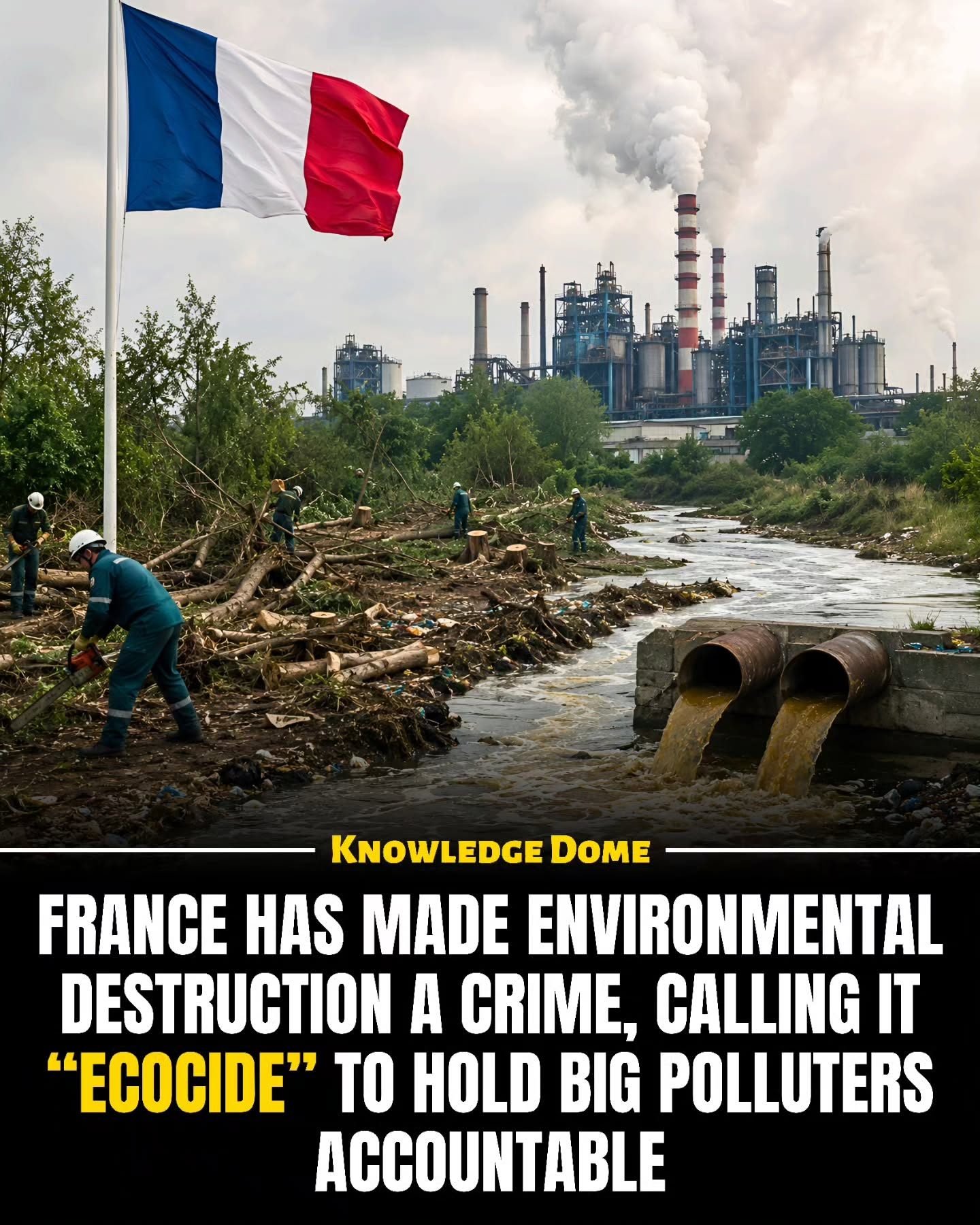
Ecocide: France's New Legal Framework to Combat Environmental Destruction
France has introduced a significant legal shift by classifying severe environmental destruction as a serious crime, known as "ecocide." This change aims to hold large-scale polluters accountable for significant damage to nature, air, water, or soil. Unlike previous regulations that treated environmental harm as minor infractions, this new law elevates it to the level of a major offense.
Context: Why This Matters
The concept of ecocide represents a paradigm shift in environmental law. By treating severe environmental damage as a serious crime, France is sending a clear message to polluters that their actions will not be taken lightly. This move is particularly important in the face of increasing environmental degradation and climate change, where the actions of a few can have catastrophic global consequences.
Main Discussion
Understanding Ecocide
Ecocide, derived from the Greek terms "oikos" (home) and "cide" (to kill), refers to the extensive damage and destruction of ecosystems. This legal framework is designed to address the most severe forms of environmental harm, making it a critical tool in the fight against degradation.
Legal Implications
Under this new law, companies, executives, and individuals who cause significant environmental harm can face substantial penalties. Fines can reach up to €4.5 million, or even higher if the illegal profits from pollution are substantial. In the most egregious cases, the fines can be up to ten times the amount of money made from the environmental damage.
The potential for prison sentences also looms large. Those found responsible for extreme environmental damage may face up to 10 years in jail. This severe punishment underscores the gravity with which France views these offenses and sets a precedent for other nations.
Enforcing Accountability
The introduction of ecocide as a legal concept is a significant step toward ensuring that polluters are held accountable for their actions. By classifying environmental destruction as a serious crime, France is making it clear that such behaviors will not be tolerated. This move is part of a broader global effort to prosecute environmental crimes more effectively and to deter future offenders.
Global Influence
Many legal experts and activists believe that other countries may follow France's lead in adopting similar legislation. The example set by France could inspire a global movement toward stricter environmental regulations and more severe penalties for those who cause significant harm to the planet. This could lead to a more unified global approach to environmental protection, where nations work together to hold polluters accountable.
Practical Tips
For Companies
- Monitor Environmental Impact: Companies should regularly assess and monitor their environmental impact to ensure compliance with new regulations.
- Implement Sustainable Practices: Adopting sustainable practices can help mitigate environmental damage and reduce the risk of legal penalties.
- Stay Informed: Keep up-to-date with the latest environmental laws and regulations to avoid unintentional violations.
For Individuals
- Report Environmental Crimes: If you witness significant environmental destruction, report it to the relevant authorities.
- Support Sustainable Initiatives: Advocate for and support initiatives that promote environmental sustainability and protection.
- Educate Yourself: Learn about the new legal framework and share this information with others to raise awareness.
Important Takeaways
- Ecocide is a new legal concept in France: This law aims to hold large-scale polluters accountable for severe environmental damage.
- Punishments are severe: Companies and individuals can face heavy fines and prison sentences for significant environmental harm.
- Global influence: Other countries may adopt similar legislation, leading to a more unified global approach to environmental protection.
Conclusion
France's move to criminalize severe environmental destruction marks a significant milestone in the fight against pollution and climate change. By classifying such actions as a major crime, the country is sending a clear message that environmental harm will not be tolerated. This new legal framework, known as ecocide, sets a global precedent and could inspire other nations to adopt similar measures. As the world faces increasing environmental challenges, this legal innovation offers a powerful tool for holding polluters accountable and promoting sustainability.
Watch the Reel
Questions readers ask
What exactly is considered 'ecocide' under France's new law?
Ecocide, as defined by France's new law, refers to severe and widespread environmental damage. This includes significant harm to nature, air, water, or soil, often resulting from large-scale activities or operations, such as industrial processes, mining, or deforestation. It's not just accidental or minor harm, but severe and intentional or negligent acts that cause lasting damage to the environment.
Who does this law target?
The law primarily targets large-scale polluters, such as major corporations and industries. It aims to hold them accountable for significant environmental harm, which can be caused by their operations or activities. Small-scale or individual acts of pollution are not the focus of this legislation.
What are the potential penalties for ecocide under this new law?
The penalties for ecocide are severe. They include substantial fines, and in some cases, potential jail time. The exact penalties will depend on the severity of the damage and other factors, but the goal is to ensure that big polluters face significant legal consequences for their actions.
How does this law differ from previous environmental regulations in France?
Unlike previous regulations that treated environmental harm as minor infractions, France's new law elevates severe environmental damage to the level of a major offense. This change signals a significant shift in how environmental law is enforced, with a stronger focus on holding big polluters accountable for their actions.
What is the significance of France's ecocide law in the context of global environmental policy?
France's ecocide law represents a paradigm shift in environmental law, as it is one of the first laws to criminalize severe environmental damage on such a level. This move sends a clear message to polluters and could inspire similar laws in other countries, potentially leading to a global shift in how environmental harm is addressed. It shows that France is committed to tackling environmental issues in a more robust and proactive manner.
What should I do if I suspect a company is committing ecocide?
If you suspect a company is committing ecocide, it is important to document any evidence you have, such as photographs, videos, or witness statements. You can then report your suspicion to the appropriate authorities, such as local environmental agencies or law enforcement. It's crucial to act quickly and responsibly to support the legal process.
How can businesses ensure they are not breaking the new ecocide law?
To avoid breaking the new ecocide law, businesses should ensure they are conducting thorough environmental impact assessments, implementing robust environmental management systems, and complying with all relevant environmental regulations. It's also important to stay informed about the specific requirements and standards set by the new law, and to seek legal advice if needed. Proactive measures and a strong commitment to environmental responsibility are key.
Related deep dives
Similar reads based on topic and creator.


Recent articles
Fresh deep dives from the latest Reels we unpacked.




Comments
Be the first to comment.