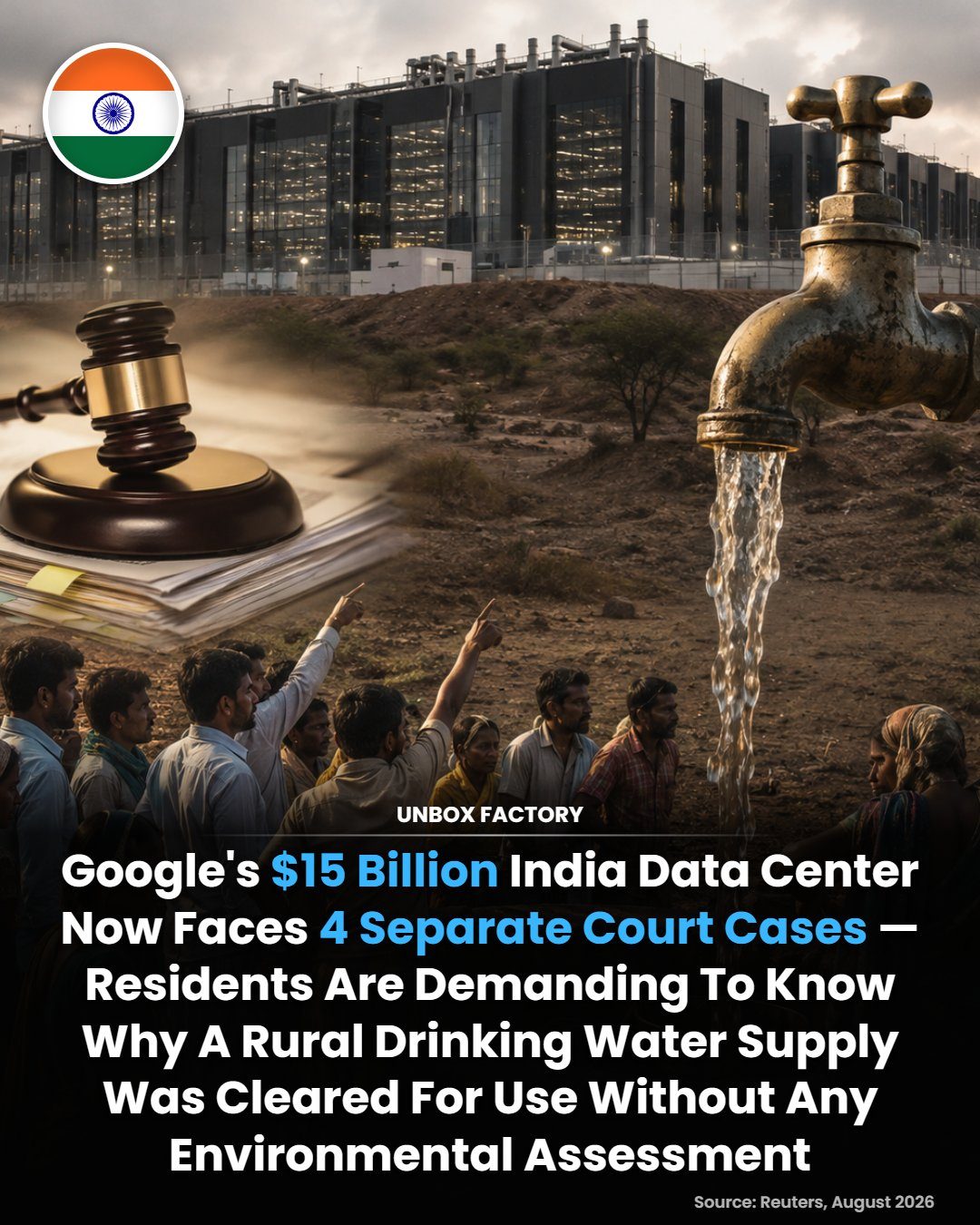
Google's $15 Billion India Data Center Controversy
Google's ambitious $15 billion data center project in India is currently embroiled in controversy, facing four separate legal challenges. These challenges come as residents and environmental groups question the approval process and raise concerns about water allocation and environmental assessments.
Why This Matters
The controversy surrounding Google's data center is not just about a single project; it highlights broader issues related to the development of large-scale infrastructure in regions with water scarcity. As the demand for data centers grows, driven by the rise of artificial intelligence and cloud computing, the environmental impact of these facilities becomes increasingly important. Issues such as water availability, environmental assessments, and community concerns are at the forefront of this debate.
The Controversy: Legal Challenges and Environmental Concerns
Legal Battles and Resident Concerns
Residents near the proposed data center site are demanding answers about the clearance of a rural drinking water supply for the project. The primary concern is that the water allocated for the data center was approved without a comprehensive environmental assessment. This has raised alarms about the potential impact on drinking water availability and agricultural needs in the region. The project's value, estimated at $15 billion, underscores the scale of the infrastructure and the stakes involved.
Environmental Assessment
Environmental assessments are critical in projects of this magnitude, as they help identify and mitigate potential environmental impacts. The lack of a thorough assessment in this case has fueled public outcry. Environmental groups argue that the absence of a comprehensive study could lead to long-term damage, including water scarcity and ecological disruption. This controversy reflects growing global scrutiny over the environmental impact of large-scale AI infrastructure projects, particularly in regions where water resources are already under pressure.
Water Resources and AI Infrastructure
Water Availability
Large hyperscale data centers, like the one proposed by Google, require continuous cooling systems to maintain optimal operating conditions. This necessitates a significant and consistent water supply, making water availability a central issue for both communities and regulators. In regions where water is already scarce, the construction of such facilities can exacerbate existing water shortages, leading to conflicts between industrial and community needs.
Environmental Impact
The environmental impact of data centers extends beyond water usage. These facilities also consume vast amounts of energy, contributing to carbon emissions and other environmental concerns. The lack of a comprehensive environmental assessment in this case raises questions about the overall sustainability of the project and its potential long-term effects on the surrounding ecosystem.
Practical Tips for Sustainable Data Center Development
Comprehensive Environmental Assessments
For any large-scale infrastructure project, conducting a thorough environmental assessment is non-negotiable. This should include a detailed analysis of water resources, potential impacts on local ecosystems, and strategies for mitigating environmental risks. Involving local communities and stakeholders in this process can help build trust and ensure that the project addresses their concerns.
Water Management
Effective water management strategies are crucial for data centers. This includes implementing efficient cooling systems that reduce water consumption, such as evaporative cooling or air-cooled systems. Additionally, data centers can invest in water recycling and reuse technologies to minimize their impact on local water supplies.
Community Engagement
Engaging with local communities is essential for the successful implementation of large-scale projects. This involves transparent communication about the project's goals, potential impacts, and benefits. It also includes addressing community concerns and incorporating their feedback into the project's design and execution.
Important Takeaways
- The controversy surrounding Google's data center in India highlights the importance of environmental assessments and community engagement in large-scale infrastructure projects.
- Water availability and environmental impact are critical considerations for data centers, especially in regions with water scarcity.
- Sustainable practices, such as efficient cooling systems and water management strategies, can help mitigate the environmental impact of data centers.
- Transparent communication and stakeholder involvement are essential for building trust and ensuring the success of infrastructure projects.
Conclusion
The legal challenges and environmental concerns surrounding Google's $15 billion data center project in India underscore the broader issues at play in the development of large-scale AI infrastructure. As the demand for data centers continues to grow, addressing these challenges will be crucial to ensuring sustainable and equitable development. By prioritizing comprehensive environmental assessments, effective water management, and community engagement, the tech industry can build more sustainable and resilient infrastructure projects.
Watch the Reel
Questions readers ask
What are the primary concerns raised by residents and environmental groups regarding Google's data center project in India?
Residents and environmental groups have expressed concerns about water allocation, particularly in regions where water is already scarce. They are also worried about the lack of comprehensive environmental assessments, as the large-scale infrastructure development could exacerbate existing environmental issues.
How many legal challenges is Google's India data center project currently facing?
Google's $15 billion India data center project is currently facing four separate legal battles. These challenges are largely centered around the approval process, water usage, and environmental impact assessments.
What are the broader implications of the controversy surrounding Google's data center project?
The controversy highlights the broader issues of water scarcity and the environmental impact of large-scale infrastructure development. As the demand for data centers, driven by technologies like AI and cloud computing, continues to grow, so does the need to address water availability and environmental assessments.
Why is water allocation a critical issue in this controversy?
Water allocation is a critical issue because large-scale data centers require significant amounts of water for cooling and other operations. In regions already struggling with water scarcity, the construction and operation of such facilities can further strain local water resources.
What role do environmental assessments play in this controversy?
Environmental assessments are crucial for understanding and mitigating the potential environmental impacts of the data center. The lack of comprehensive assessments has led to concerns about the project's overall sustainability and its effects on local ecosystems.
How does the controversy reflect on Google's infrastructure development strategies?
The controversy suggests that Google's infrastructure development strategies may need to be more transparent and considerate of local environmental concerns. It underscores the importance of engaging with communities and environmental groups to address issues like water scarcity and environmental impact before project initiation.
What steps can Google take to address the environmental concerns raised by residents and environmental groups?
Google can take several steps, including conducting thorough environmental impact assessments, implementing water conservation measures, and engaging in open dialogue with local communities and environmental groups. Additionally, Google could explore alternative cooling methods that are less water-intensive to mitigate the strain on local water resources.
Related deep dives
Similar reads based on topic and creator.


Recent articles
Fresh deep dives from the latest Reels we unpacked.




Comments
Be the first to comment.