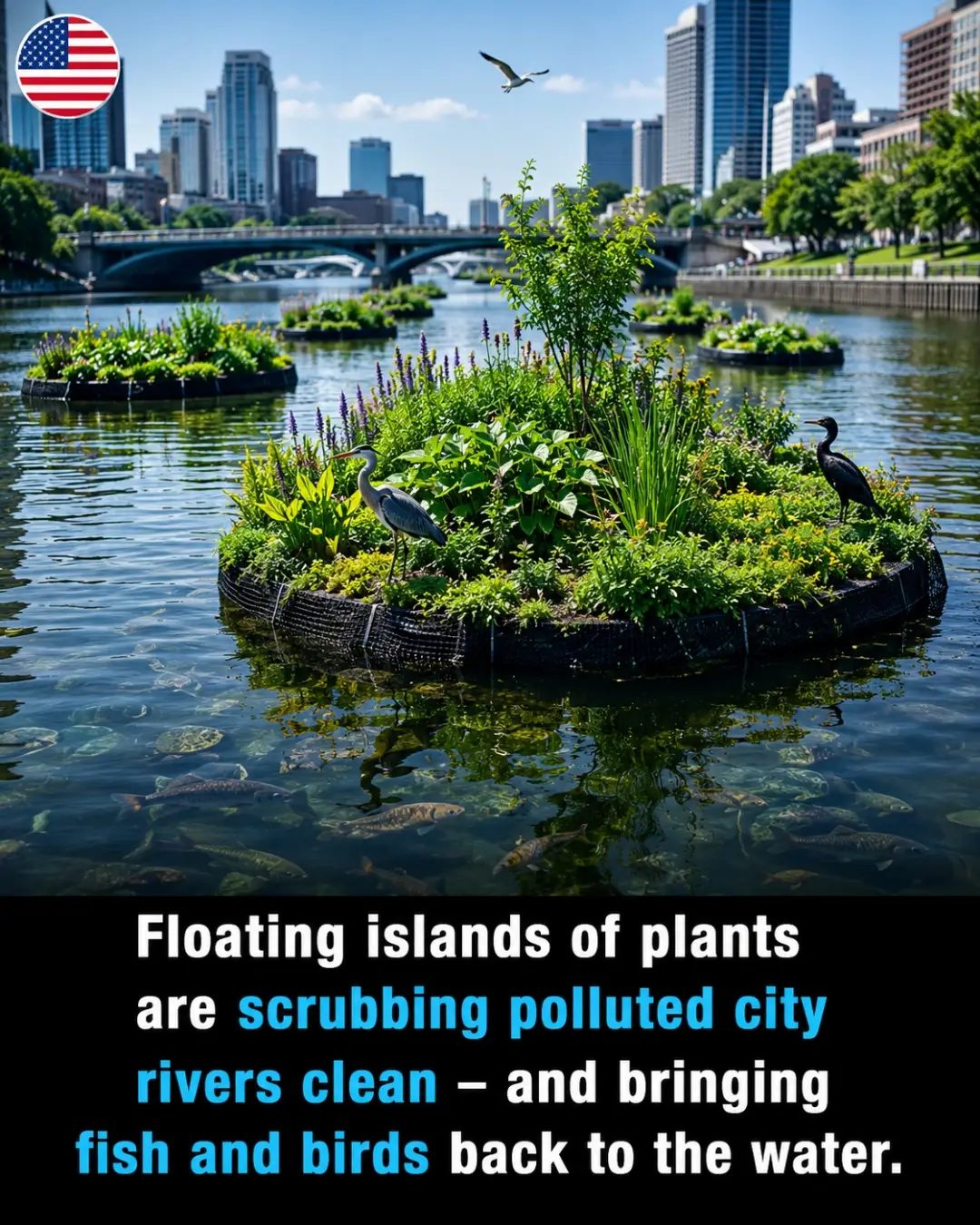
Floating Islands: A Natural Solution for Cleaning Rivers
Floating islands of plants are increasingly being used as a natural solution to clean polluted rivers, revitalizing urban waterways and restoring local ecosystems. These innovative structures are designed to harness the power of nature to filter and purify water, offering a sustainable approach to environmental remediation.
Context: Why This Matters
Urbanization and industrialization often lead to the pollution of rivers, making them uninhabitable for aquatic life and unsafe for human use. The integration of floating islands into these environments provides a multifaceted solution. Beyond water purification, these islands serve as habitats for fish and birds, creating a balanced ecosystem within urban settings.
Floating Islands: How They Work
Water Purification
Floating islands are engineered to scrub polluted water through natural biological processes. The plants rooted in the islands absorb excess nutrients and pollutants, such as nitrates and phosphates, which can be detrimental to water quality. This absorption helps to restore the ecological balance of the river, making the water cleaner and safer for both wildlife and humans.
Common plant species used in floating islands include:
- Water lettuce (Pistia stratiotes)
- Duckweed (Lemna minor)
- Water hyacinth (Eichhornia crassipes)
- Cattails (Typha spp.)
- Bulrushes (Schoenoplectus spp.)
Habitat Restoration
In addition to purifying water, floating islands provide essential habitats for fish and birds. These structures create a variety of microhabitats that support diverse species, promoting biodiversity in urban waterways. The presence of aquatic plants and the shade they provide create ideal conditions for fish to breed and thrive. Birds benefit from the islands as nesting and foraging sites, enhancing the local ecosystem.
Urban Integration
One of the most striking aspects of floating islands is their ability to integrate nature into urban environments. The sight of lush, green islands amidst a city skyline offers a visual reminder of the importance of balancing natural and built environments. This integration not only improves water quality and biodiversity but also enhances the overall aesthetic appeal of urban areas, making them more livable and enjoyable for residents.
Benefits and Challenges
Environmental Benefits
The benefits of floating islands are numerous and far-reaching. They help to:
- Improve water quality by reducing nutrient pollution
- Restore aquatic habitats for fish and birds
- Enhance biodiversity in urban ecosystems
- Create a more aesthetically pleasing urban landscape
Practical Considerations
While the benefits of floating islands are clear, their implementation requires careful planning and maintenance. Key considerations include:
- Site selection: Choosing the right location is crucial for the success of floating islands. Factors such as water flow, sunlight, and nutrient levels must be evaluated to ensure optimal growth and functionality.
- Plant selection: Different plant species have varying requirements and benefits. Selecting the right combination of plants is essential for effective water purification and habitat creation.
- Maintenance: Floating islands require regular maintenance to keep them functional. This includes pruning plants, managing nutrient buildup, and ensuring the structural integrity of the islands.
- Community involvement: Engaging the local community in the planning and maintenance of floating islands can foster a sense of ownership and responsibility, contributing to their long-term success.
Practical Tips for Implementing Floating Islands
If you are considering implementing floating islands in your local river, here are some practical tips to guide you:
1. Conduct a Site Assessment
Before installing floating islands, conduct a thorough assessment of the river site. This should include measurements of water quality, flow rates, and sunlight exposure. This data will help you determine the most suitable location and the types of plants that will thrive there.
2. Engage with Local Experts
Consulting with local environmental experts, such as ecologists and water quality specialists, can provide valuable insights and recommendations. They can help you design the islands and select the best plant species for your specific conditions.
3. Plan for Maintenance
Develop a maintenance plan that includes regular inspections, plant pruning, and nutrient management. Engaging the community in this process can help ensure the long-term sustainability of the islands.
4. Involve the Community
Community involvement is crucial for the success of floating islands. Organize public meetings and workshops to discuss the project, gather input, and educate residents about the benefits and importance of maintaining these natural water purifiers. Community volunteers can play a significant role in ongoing maintenance and monitoring.
5. Measure and Monitor
Regularly monitor the water quality and ecological health of the river to assess the effectiveness of the floating islands. Tracking metrics such as nutrient levels, biodiversity, and water clarity can provide valuable data for ongoing improvements and future projects.
Important Takeaways
Floating islands offer a natural and effective solution for cleaning polluted rivers and restoring urban ecosystems. By harnessing the power of plants, these innovative structures improve water quality, support biodiversity, and enhance the aesthetic appeal of urban environments. Implementing floating islands requires careful planning, community involvement, and ongoing maintenance, but the long-term benefits are well worth the effort.
Conclusion
Floating islands of plants are a sustainable and effective way to combat river pollution and restore urban waterways. Through natural processes, these islands filter pollutants, provide habitats for wildlife, and integrate nature into urban environments. By understanding the mechanisms behind floating islands and following practical guidelines, communities can harness this natural solution to create cleaner, healthier rivers that support both wildlife and human populations.
Watch the Reel
Questions readers ask
How do floating islands help improve urban water quality?
Floating islands function as natural filters, absorbing and breaking down pollutants through their plants and microbial activity. They reduce nutrients like nitrogen and phosphorus, which can cause harmful algal blooms. This process also oxygenates the water, promoting a healthier aquatic environment.
What types of plants are typically used on floating islands?
A variety of plants can be used, including aquatic plants like water hyacinth, duckweed, and water lettuce, as well as grasses and other wetland plants. The choice of plants depends on the specific water quality issues and the local climate.
Can floating islands support local wildlife?
Yes, floating islands provide essential habitats for various species. Birds can nest and forage on the islands, while fish and other aquatic creatures benefit from the increased oxygen and food sources. This fosters biodiversity in urban river ecosystems.
Are floating islands a cost-effective solution for river cleanup?
Floating islands can be a cost-effective solution in the long run. While initial setup costs may vary, they require minimal maintenance and operate sustainably. They reduce the need for ongoing chemical treatments and expensive machinery, making them an economically viable option for urban waterways.
How do floating islands contribute to ecosystem restoration in urban areas?
By improving water quality and providing habitats, floating islands help restore the ecological balance of urban rivers. They support the return of native species, enhance biodiversity, and create a more resilient ecosystem that can better withstand future pollutants.
Can floating islands be used in any urban river?
Floating islands can be deployed in most urban rivers, but site-specific conditions should be considered. Factors like water flow, depth, and the type of pollutants present will influence the design and effectiveness of the floating islands. A site assessment is recommended before implementation.
Related deep dives
Similar reads based on topic and creator.



Recent articles
Fresh deep dives from the latest Reels we unpacked.




Comments
Be the first to comment.