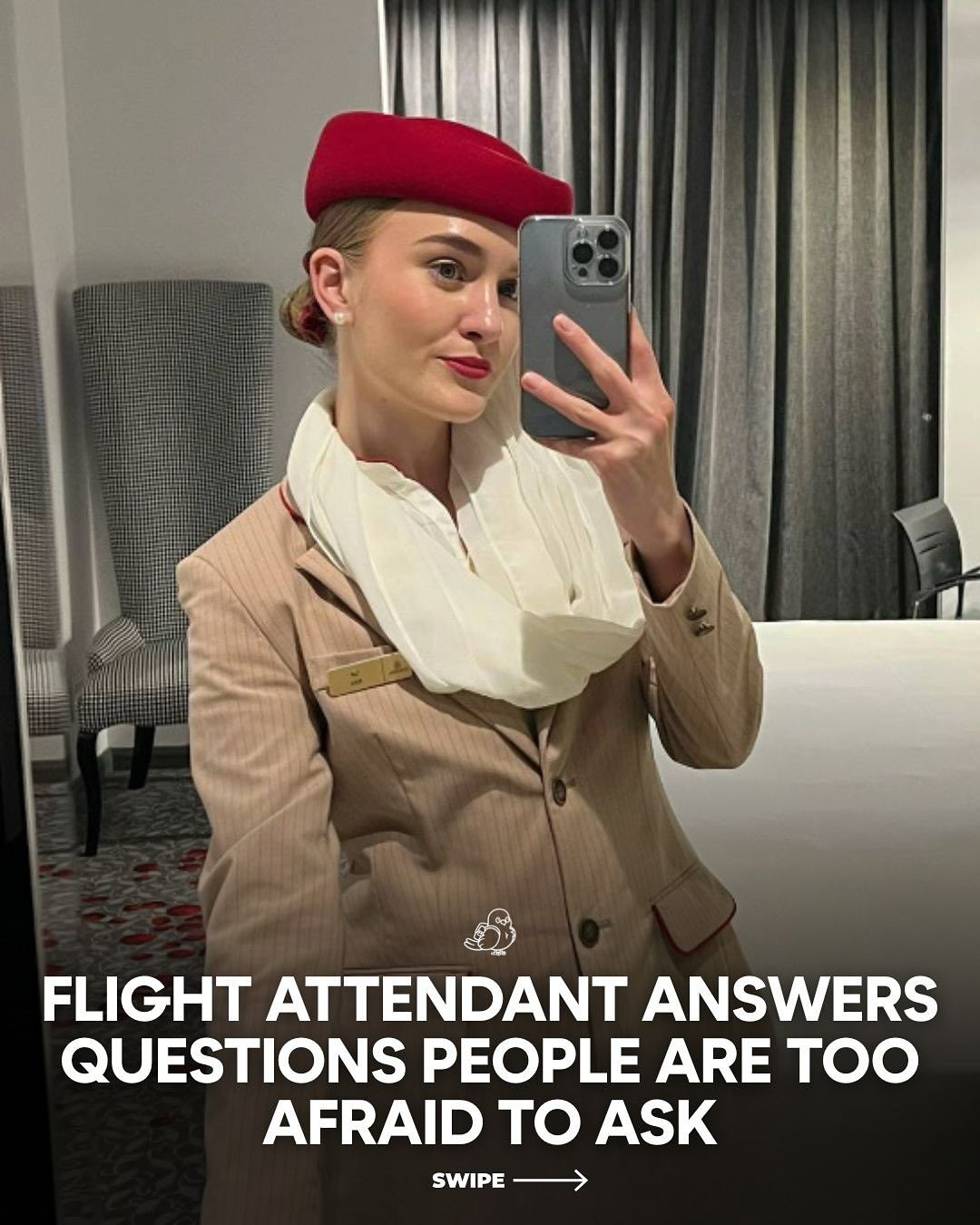
Flight Attendant Answers Common Questions About Flying
Ever wondered about the intricacies of air travel but were too shy to ask? A flight attendant from Emirates has got you covered. From flight mode to turbulence, here are the answers to some of the most common questions that many passengers are afraid to ask.
Why This Matters
Understanding the basics of air travel can significantly enhance your flying experience. Knowing why certain procedures are in place and what to expect can help alleviate anxiety and make your journey smoother.
The Importance of Flight Mode
One of the most common questions travelers have is why they need to put their phones on flight mode. Flight mode is essential because it disables the phone’s wireless signals — such as WiFi and Bluetooth. This prevents any potential interference with the aircraft’s navigation and communication systems. These systems are crucial for the safe operation of the plane, and any interference can disrupt their functionality.
Turbulence: What You Need to Know
Turbulence is another topic that often causes concern among travelers. The good news is that turbulence cannot cause a plane to fall down or crash. Aircraft are designed to withstand severe turbulence. However, turbulence can be uncomfortable and may cause some injuries or damages if passengers are not properly secured. It's important to always follow the safety instructions provided by the crew to ensure a safe and comfortable journey.
Practical Tips for a Smooth Flight
Before You Fly
- Charge Your Devices: Make sure your electronic devices are fully charged before boarding. While some airlines offer charging ports, it's always a good idea to be prepared.
- Pack Smart: Keep essential items like your passport, boarding pass, and travel documents easily accessible. This will save you time and reduce stress during security checks and boarding.
- Hydrate and Rest: Drink plenty of water before and during your flight. Dehydration can exacerbate jet lag and discomfort. Also, try to get some rest, especially on long-haul flights.
During the Flight
- Follow Safety Instructions: Pay attention to the safety briefing and follow the crew's instructions. This includes fastening your seatbelt and stowing your luggage properly.
- Stay Hydrated: Continue to drink water throughout the flight. Airplane cabins can be dry, so staying hydrated is essential.
- Move Around: If you're on a long flight, take short walks around the cabin to stretch your legs and improve circulation. This can help prevent deep vein thrombosis (DVT) and reduce fatigue.
Dealing with Turbulence
- Stay Calm: Remember that turbulence is a normal part of flying and that modern aircraft are designed to handle it safely.
- Follow Crew Instructions: Listen to the crew and follow their instructions during turbulence. This may include remaining seated and keeping your seatbelt fastened.
- Be Prepared: If you're prone to motion sickness, consider taking medication before your flight. Also, keep a small bag nearby in case you need to use it.
Important Takeaways
Understanding the reasons behind flight procedures and safety measures can make your travel experience much more enjoyable. Here are the key points to remember:
- Flight Mode: Essential for preventing interference with the aircraft’s navigation and communication systems.
- Turbulence: While uncomfortable, it does not pose a significant risk to the safety of the aircraft. Always follow the crew's instructions during turbulence.
- Safety First: Pay attention to the safety briefing and follow the crew's instructions to ensure a safe and comfortable journey.
Conclusion
Flying can be an exciting and adventurous experience, and knowing the answers to common questions can make it even better. From understanding the importance of flight mode to staying calm during turbulence, being informed can help alleviate anxiety and make your journey smoother. So, the next time you board a flight, you can do so with confidence, knowing that you have all the information you need for a safe and enjoyable trip.
Watch the Reel
Questions readers ask
Why do flight attendants ask passengers to enable flight mode on their devices?
Flight attendants request passengers to enable flight mode to disable wireless signals like WiFi and Bluetooth, as these can interfere with the airplane’s navigational equipment. This is crucial for maintaining clear communication and accurate navigation throughout the flight.
What should passengers do if they experience turbulence during a flight?
During turbulence, passengers should remain seated, keep their seatbelts fastened, and avoid moving around the cabin. Flight attendants are trained to handle turbulence and will provide specific instructions if necessary.
Are there any specific items that should be avoided in carry-on luggage?
Items like sharp objects, flammable materials, and liquids over a certain volume should be avoided in carry-on luggage. For exact limits and restrictions, always refer to the airline's guidelines or contact customer service.
How can a backpack be safely stored during a flight?
To safely store a backpack during a flight, ensure it fits comfortably in the overhead bin or under the seat in front of you. Avoid placing heavy items on top of your backpack to prevent any damage or discomfort to other passengers.
What are the best practices for handling anxiety during a flight?
To manage anxiety during a flight, inform the flight attendant beforehand. They can provide reassurance and tips. Staying hydrated, listening to calming music, and practicing deep breathing can also help alleviate anxiety. Additionally, focusing on the in-flight entertainment or reading a book can be a helpful distraction.
Why is it important to follow the flight attendant's safety instructions?
Following the flight attendant’s safety instructions is vital for your well-being and the safety of others on board. They are trained to handle emergencies and provide clear guidance on what to do in case of any unexpected situations.
Related deep dives
Similar reads based on topic and creator.




Recent articles
Fresh deep dives from the latest Reels we unpacked.




Comments
Be the first to comment.