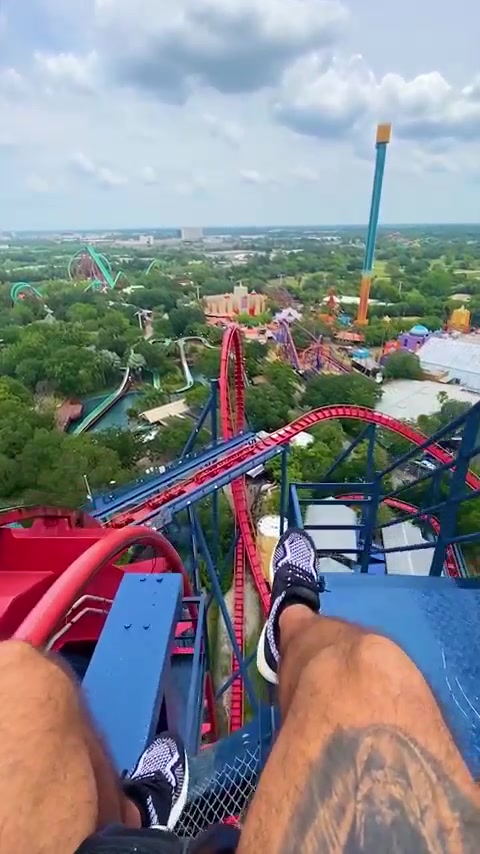
There's a specific joy in accelerating at 50 MPH on a roller coaster, the park scenery shooting through the margin of a dizzying view. There's a reason thrill-riders return day after day — from the first hill's steep rise to the moment the cars clang to a stop. Yet for all the excitement that roller coasters deliver, the experience is designed with precision to keep riders safe.
The Ride of Roots
Many see a roller coaster as a brief thrill ride, but they are defined by their roots, distinctive designs, and unique architectural details. The first small dance in the evolution from mine cart tracks to today’s rollercoasters happened with Transportation, Mechanic Pierre Desvigne. A man of many talents, he had co-founded a company called Ride the Ranger and had designed the first rollercoaster track. The modern roller coaster operates on a simple formula: a train of connected cars, a track, and a control mechanism that releases brakes only when the train is coupled. Rollers smooth the transition between flat and inclined sections. The roller coaster track creates a smooth ride for the car by forming an interlocking loop, and the car is propelled from one end of the track to another. The way the roller coaster operates is through gravity. The car is propelled from one point to the other through a series of twists and turns. Riding a roller coaster does not involve fuel, it is mechanical-powered.
The Big Ride in a Risk-averse World**
Roller coasters have powered hundreds of hours of entertainment. And without treatment, they could have been stopped by long before. Rollercoasters are known for their exhilarating speeds and thrills. Any rollercoaster enthusiast will be able to experience the speed, thrill and dangerous angles that are missing from any other kind of rollercoaster. Chipper, on-screen text on the ground for the roller coaster ride – and comments on the comments.
Roller Coaster Track Design
Likely inspired by mining cart operators, the tracks are the most critical aspect of the roller coaster. They can create the most fundamental thrills.
- Forms of the roller coaster track design:
- Steel Track Design: The track design consists of a track, which is made of steel. It is painted, and the cars are linked together by a chain and a mechanism. The tracks in the roller coaster are supported by steel beams, which allow them to be easily assembled and disassembled.
- Wood Track Design: The track design consists of a track, which is made of wood. It is painted, and the cars are linked together by a chain and a mechanism. The tracks in the roller coaster are supported by wood beams, which allow them to be easily assembled and disassembled.
- ** Suspension coaster track Design**: Suspension coasters feature a train where the carriages are suspended from the track instead of resting on top of it.
Mechanics and Materials
Roller coasters aren't suspended in midair, they are meticulously bolted to the ground. The structural frame is critical to the ride’s operation.
- Bolts and Steel: The tracks are held in place by a series of bolts and steel beams, which can be made of concrete.
- Support Elements: The roller coaster track is supported by steel beams, which allow them to be easily assembled and disassembled.
- Centering Elements: The roller coaster track is centered by a series of bolts and steel beams, which are aligned by a series of bolts.
Ride Outfits
Ride outfits and accessories focus on the rider. The ride experience is tailored to the rider.
- A Custom Fit: The ride outfits and accessories are tailored to the rider, providing them with a comfortable and customizable experience.
- Safety: The rider will be provided with a safety harness and helmet, which will protect their body from impact.
Theme Park Add Ons
Theme parks are like the big brother of these rides. They are focused on the thrills.
- Theming: Theme parks are decorated with a variety of decorations and props. It is decorated with a variety of props to create an immersive experience.
- Revamps and Renewals: Theme parks undergo annual renovations to improve their safety.
Watch the Reel
Questions readers ask
What makes the initial drop on a roller coaster so thrilling?
The first drop is exhilarating because of the rapid acceleration to 50 MPH. The sudden change in elevation and speed creates a rush of adrenaline and a sense of speed that is unique to roller coasters. The design of the track and the way the car is propelled through the turns and twists enhances the overall experience.
How do modern roller coasters stay safe despite their high speeds and dangerous angles?
Modern roller coasters are designed with precision to ensure safety. The track is carefully engineered to guide the cars smoothly through twists and turns, and the control mechanism only releases brakes when the train is securely coupled. The use of interlocking loops and rollers helps to create a smooth ride, minimizing the risk of accidents.
What are the main differences between steel, wooden, and suspension roller coaster tracks?
Steel tracks are durable, versatile, and easy to assemble and disassemble, making them a popular choice for many modern roller coasters. Wooden tracks offer a classic, nostalgic feel and can provide a unique riding experience, but they require more maintenance. Suspension coasters, where the carriages are suspended from the track, offer a different thrill by allowing for more dynamic movements and inversions.
Who designed the first roller coaster track, and how did it evolve from there?
The first roller coaster track was designed by Pierre Desvigne, a transportation and mechanical engineer who co-founded a company called Ride the Ranger. The evolution from mine cart tracks to today’s roller coasters involved significant advancements in design and engineering, transforming simple tracks into complex machines with intricate twists and turns.
What materials are used to build the structural frame of a roller coaster, and why are they important?
The structural frame of a roller coaster is typically made of steel beams and bolts, which provide the necessary support and stability for the tracks. These materials are crucial because they ensure the ride's safety and smooth operation, allowing the cars to navigate the track with precision and minimizing the risk of accidents.
Related deep dives
Similar reads based on topic and creator.


Recent articles
Fresh deep dives from the latest Reels we unpacked.



Comments
Be the first to comment.