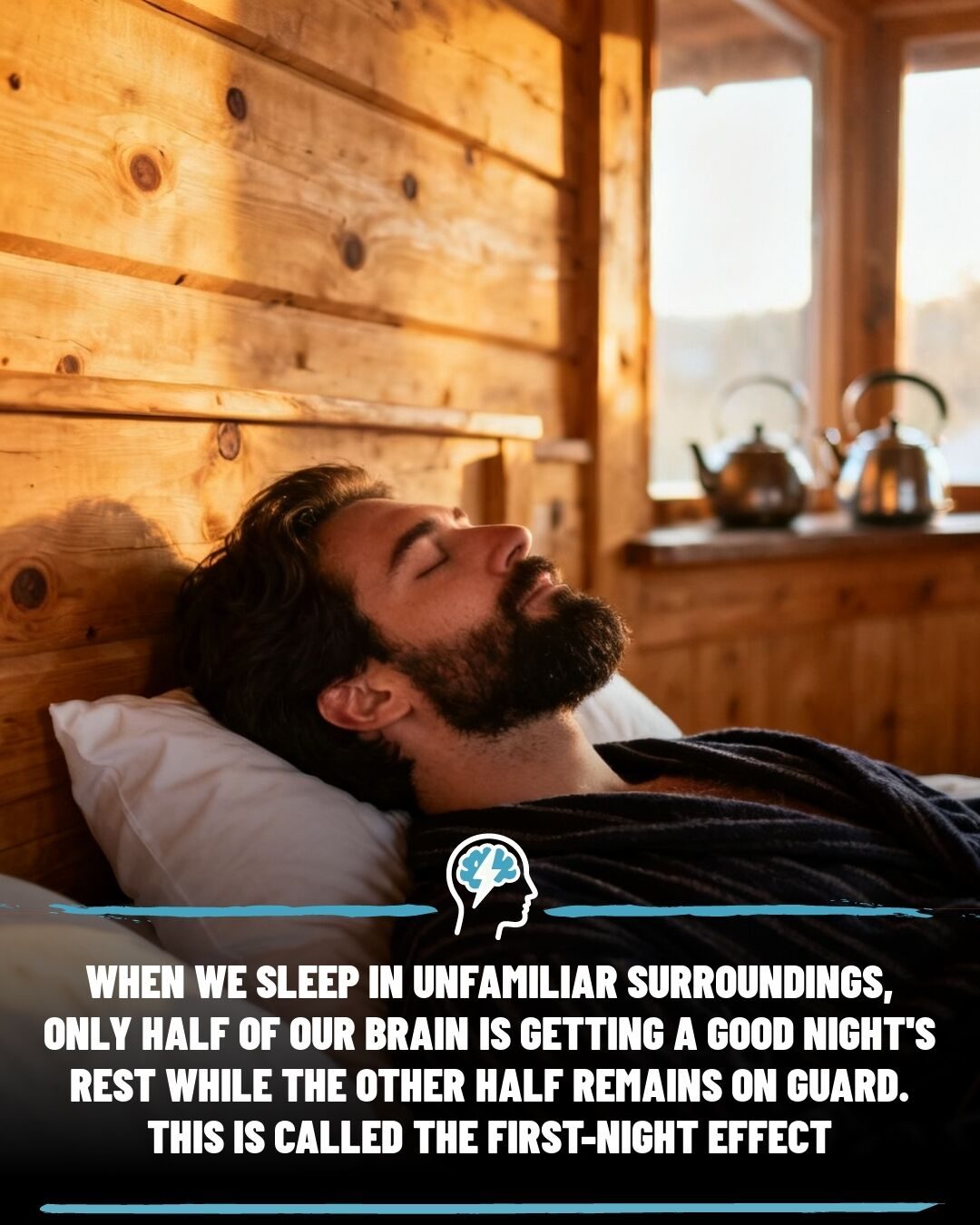
The First-Night Effect: A Neurological Phenomenon Affecting Travelers
Ever collapsed into a hotel bed after a long flight, exhausted, only to find yourself staring at the ceiling for hours? It's a frustrating experience, but you're not alone. This phenomenon, known as the first-night effect, is a well-documented neurobiological occurrence that affects many travelers. This effect explains why one hemisphere of your brain remains more alert than the other when you sleep in an unfamiliar environment, acting as a built-in survival mechanism. Understanding this can help you better navigate your sleep patterns while traveling.
Why This Matters
The first-night effect is more than just a minor inconvenience; it has significant implications for your overall health and well-being. Poor sleep quality can lead to a range of issues, including cognitive impairment, weakened immune response, and even mood disturbances. The good news is that understanding the first-night effect can help you take proactive steps to mitigate its impact and improve your travel experiences.
Understanding the First-Night Effect
Biological Mechanisms
The first-night effect is rooted in our evolutionary past. When we sleep in an unfamiliar environment, our brain divides its attention: one hemisphere remains vigilant while the other attempts to rest. This heightened vigilance is a survival mechanism that helps protect us from potential threats in new surroundings. It's why so many travelers describe feeling like they only "half-slept" their first night away from home.
Research confirms this altered brain activity through various studies. Brain imaging research shows that during the first night in an unfamiliar environment, there is delayed sleep onset, more frequent wake-ups throughout the night, and reduced REM sleep. This disrupted sleep pattern is a direct result of the brain's heightened alertness, which is a natural response to the unfamiliar surroundings.
Time Zone Changes
Adding time zone changes to the mix complicates things further. Crossing time zones disrupts the alignment between your internal clock and external time cues, affecting when your body releases melatonin and cortisol. These hormones are crucial for regulating your sleep-wake cycle. A large-scale study analyzing over 1.5 million nights of sleep data found that while sleep duration tends to recover within about two days, your sleep architecture can remain disrupted for up to a week after eastward travel. This means that even if you manage to fall asleep, the quality of your sleep may still be compromised.
Individual Variability
It's important to note that recovery timelines can vary by individual. Factors like age, overall health, and the number of time zones crossed all play a role in how quickly your brain adapts to a new environment. Research suggests that sleep quality typically improves substantially by the second night in a new environment. However, for some people, it may take longer for the brain to adjust and recognize the new space as secure.
Practical Tips for Managing the First-Night Effect
While the first-night effect is a natural response, there are several strategies you can employ to mitigate its impact and improve your sleep quality while traveling.
Prepare Your Environment
Make your temporary sleep space as familiar as possible. Bring items from home, such as a favorite pillow or blanket, to create a sense of familiarity. The more your new environment resembles your home, the less your brain will perceive it as a threat.
Establish a Sleep Routine
Maintain a consistent sleep schedule, even when traveling. Try to go to bed and wake up at the same time each day. This can help your body adjust more quickly to the new time zone and reduce the disruption to your sleep-wake cycle.
Limit Caffeine and Alcohol
Avoid consuming caffeine and alcohol close to bedtime, as they can interfere with your sleep quality. Caffeine is a stimulant that can keep you awake, while alcohol, although it may help you fall asleep, can disrupt your sleep later in the night.
Relaxation Techniques
Practice relaxation techniques before bed, such as deep breathing exercises, meditation, or progressive muscle relaxation. These techniques can help calm your mind and body, making it easier to fall asleep and stay asleep.
Use Sleep Aids
If necessary, consider using sleep aids such as melatonin supplements or white noise machines. Melatonin can help regulate your sleep-wake cycle, while white noise machines can create a soothing environment that masks unfamiliar sounds.
Important Takeaways
The first-night effect is a natural and well-documented phenomenon that affects many travelers. Understanding this effect can help you reframe frustrating first nights and take proactive steps to improve your sleep quality. Key points to remember include:
- The first-night effect is a survival mechanism that keeps one hemisphere of your brain alert in unfamiliar environments.
- Time zone changes can exacerbate the first-night effect by disrupting your internal clock.
- Recovery timelines vary by individual, but sleep quality typically improves by the second night in a new environment.
- Strategies like preparing your environment, establishing a sleep routine, limiting caffeine and alcohol, practicing relaxation techniques, and using sleep aids can help mitigate the impact of the first-night effect.
Conclusion
Traveling can be both exciting and exhausting, and the first-night effect is a natural response that helps protect us in unfamiliar environments. By understanding this phenomenon and taking proactive steps to manage it, you can improve your sleep quality and overall travel experience. Embrace the journey, and remember that your brain is simply doing what it evolved to do: keeping you safe.
Watch the Reel
Questions readers ask
What exactly is the first-night effect and why does it happen?
The first-night effect is a phenomenon where one hemisphere of your brain remains more alert than the other when you sleep in an unfamiliar environment. It is a built-in survival mechanism that helps you stay safe and aware of potential threats in new surroundings, but it also disrupts your sleep, preventing you from falling into a deep sleep.
How can the first-night effect impact my overall health?
The first-night effect can lead to sleep disruption, which may cause fatigue, irritability, and difficulty concentrating. Over time, poor sleep quality can have lasting impacts on your health, including weakened immunity and increased stress levels. While the first-night effect is a normal response, it's important to mitigate its impact especially during frequent travel.
Will the first-night effect affect me every time I sleep in a new place?
The first-night effect typically occurs during the first night in a new environment. However, it can also happen during subsequent nights if the environment remains unfamiliar or you experience other stressors. If you frequently sleep in different places, you may experience this effect more often, and it will become less noticeable as your brain adapts.
Can anything be done to minimize the impact of the first-night effect while traveling?
To minimize the impact of the first-night effect, try to make your new sleeping environment as familiar as possible. Use items like your own pillow, blankets, or sleepwear. Additionally, maintaining a consistent sleep schedule and practicing relaxation techniques can help you fall asleep faster and enjoy a better night's sleep in a new place.
Is the first-night effect something to be worried about?
The first-night effect is a natural response and generally not a cause for concern. It is a temporary disruption to your sleep and is your brain's way of keeping you safe. However, if you find that you are experiencing significant sleep disruption or that it is affecting your daily life, it may be a good idea to speak with a healthcare professional.
How does the first-night effect relate to brain hemisphere alertness during sleep?
During the first-night effect, one hemisphere of your brain, typically the right hemisphere, remains more alert and active while the other hemisphere sleeps. This is thought to be a protective measure, allowing you to stay aware of your new surroundings, but it can also cause lighter sleep and fragmented rest, making it more difficult to achieve a good night's sleep in a new place.
Why is it harder to achieve a deep sleep on a first night away from home?
It's harder to achieve a deep sleep on the first night away from home due to the first-night effect. Your brain is more alert and active, making it difficult to enter the deep sleep stages. This is because one hemisphere of your brain is acting as a sentinel, keeping you safe in an unfamiliar environment and making you more aware of your new surroundings, thus disturbing your rest.
Related deep dives
Similar reads based on topic and creator.




Recent articles
Fresh deep dives from the latest Reels we unpacked.




Comments
Be the first to comment.