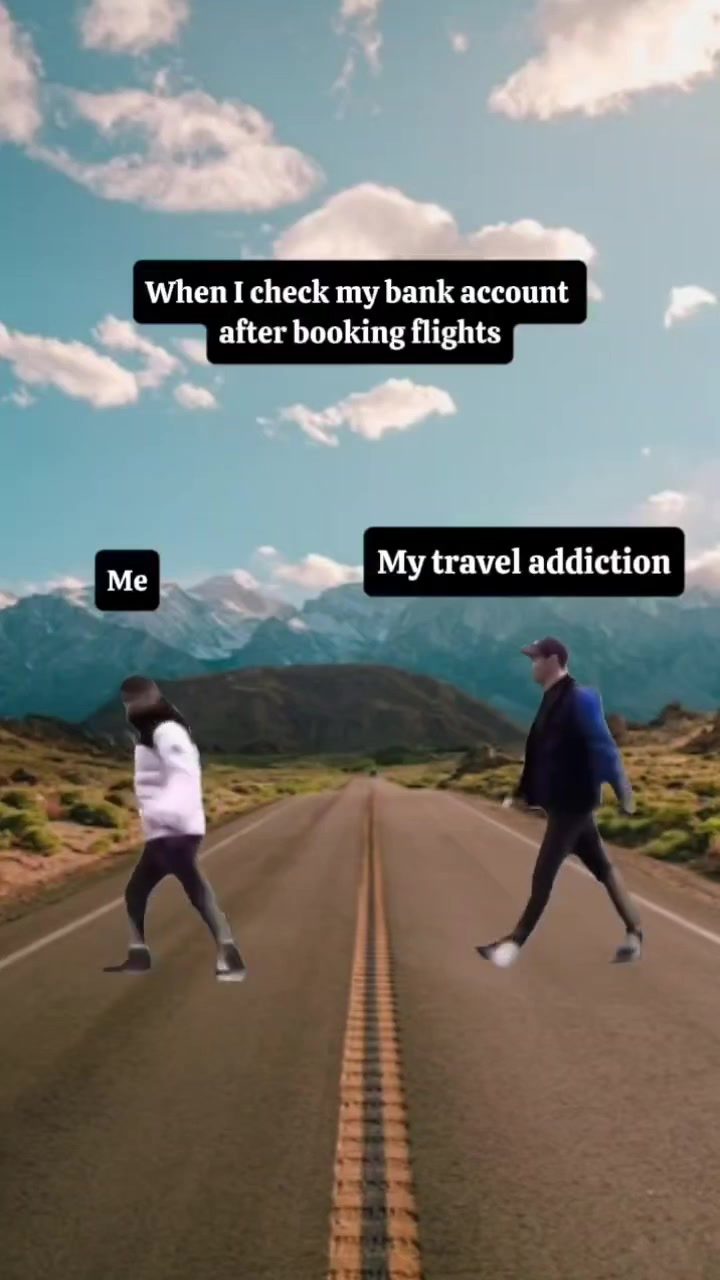
Travel Addiction and the Bank Account Blues
Travel is an exhilarating journey that offers new experiences and adventures. However, for those with a serious wanderlust, the financial consequences can be significant. So, what does it take to balance the thrill of exploration with financial responsibility? Let's dive into the humorous and relatable world of travel addiction and its impact on one's bank account.
Why This Matters
A passion for travel can lead to extraordinary experiences, but it can also create a financial strain. Understanding and managing the financial impact of travel is crucial for anyone who loves to explore the world. By recognizing the signs of travel addiction and learning how to budget effectively, travelers can ensure their adventures don't deplete their savings or leave them in debt. This topic is especially relevant in today's world, where the desire to travel has been heightened by social media and the accessibility of budget airlines and accommodations.
The Psychology Behind Travel Addiction
Travel addiction, like any other form of addiction, involves a compulsive need to explore new places. This compulsion often stems from a deep-seated desire to escape the mundane routines of everyday life. For many, traveling to new destinations provides a sense of freedom and excitement that is hard to replicate elsewhere.
The Thrill of Discovery
The thrill of discovery is a significant factor in travel addiction. The anticipation of exploring new landscapes, tasting exotic cuisines, and immersing oneself in different cultures can be intoxicating. This excitement often leads to impulsive decisions and frequent travel bookings, which can quickly drain one's financial resources.
Escapism and Emotional Release
For some, travel serves as a form of escapism from stressful life situations. The act of planning and embarking on a journey can be a powerful emotional release, offering a temporary reprieve from daily stressors. However, this escapism can lead to a cycle of travel and financial depletion, making it challenging to maintain a balanced lifestyle.
The Financial Impact of Travel Addiction
The financial consequences of travel addiction can be severe. From booking expensive flights to indulging in luxurious accommodations and activities, the costs can quickly add up. Understanding the financial toll of your travel habits is essential for maintaining financial stability and enjoying your adventures without regret.
Budgeting for Travel
Creating a travel budget is the first step in managing your travel addiction. Allocate a specific amount of money for each trip and stick to it. This approach ensures that you can enjoy your travels without overspending. Be sure to include all costs, from flights and accommodations to meals and activities.
The Art of Savings
Saving for travel is another critical aspect of managing your finances. Set aside a portion of your income each month for future trips. This way, you can accumulate enough funds to cover your expenses without dipping into your savings or taking on debt.
Practical Tips for Managing Travel Addiction
Managing travel addiction involves a combination of self-awareness, discipline, and strategic planning. Here are some practical tips to help you enjoy your travels without breaking the bank.
Set Clear Travel Goals
Define what you want to achieve with each trip. Whether it's cultural immersion, adventure, or relaxation, having clear goals can help you make informed decisions about where to spend your money.
Prioritize Experiences
Focus on experiences that matter most to you. Instead of splurging on luxurious accommodations, consider investing in unique experiences like local tours, cultural events, or outdoor adventures.
Plan Ahead
Planning your trips in advance can help you avoid last-minute decisions that often lead to overspending. Research destinations, compare prices, and book your flights and accommodations well ahead of time to secure the best deals.
Important Takeaways
Travel addiction can be a double-edged sword. On one hand, it offers incredible experiences and personal growth. On the other hand, it can lead to significant financial strain. By understanding the psychology behind travel addiction and implementing effective financial management strategies, you can enjoy your travels without compromising your financial stability.
Conclusion
Travel addiction is a relatable and often humorous challenge for many wanderlust-stricken individuals. By recognizing the financial impact of your travel habits and taking proactive steps to manage your finances, you can continue to explore the world while maintaining financial responsibility. Whether you're a seasoned traveler or just starting your journey, balancing the thrill of discovery with financial prudence is key to a sustainable and enjoyable travel lifestyle.
Watch the Reel
Questions readers ask
How can I recognize if I have travel addiction?
To recognize travel addiction, look for signs such as constantly planning future trips while neglecting current financial responsibilities, feeling restless or irritable when not traveling, and consistently spending beyond your means on travel-related expenses. If travel has become a compulsive behavior that negatively impacts your financial stability, it may be time to seek help.
What are some effective strategies for managing travel spending?
Managing travel spending involves setting a clear budget for each trip, tracking your expenses, and prioritizing your travel goals. Consider using travel apps and tools to monitor your spending and find cost-effective alternatives. Additionally, planning well in advance can help you secure better deals on flights and accommodations.
How does social media influence travel addiction?
Social media can significantly enhance the desire to travel by showcasing enticing destinations and experiences. Constant exposure to travel content can lead to FOMO (fear of missing out) and impulsive travel decisions. It's crucial to be mindful of these influences and focus on realistic, budget-friendly travel plans.
What are some strategies to avoid overspending on travel?
To avoid overspending on travel, create a detailed budget before you go and stick to it. Research and book affordable accommodations, use public transportation, and seek out free or low-cost activities. Additionally, set aside a small emergency fund for unexpected expenses to avoid relying on credit cards or loans.
How can I manage travel debt and regain financial stability?
To manage travel debt, start by assessing your financial situation and creating a repayment plan. Prioritize high-interest debts and consider consolidating your debt if necessary. Cutting back on non-essential spending and increasing your income through side jobs or freelancing can also help you pay off debt faster and regain financial stability.
Are there support groups for people struggling with travel addiction?
While there may not be dedicated support groups specifically for travel addiction, many people find help through general financial support groups or online forums. These communities can offer advice, encouragement, and shared experiences to help you manage your travel spending and regain control of your finances.
How can I develop healthier travel habits without losing the joy of exploration?
Developing healthier travel habits involves planning ahead, setting realistic goals, and balancing your desire to travel with financial responsibility. Try focusing on local or domestic travel, which can be more affordable and still offer exciting experiences. Consider saving for a big trip over a longer period to ensure financial stability.
Related deep dives
Similar reads based on topic and creator.




Recent articles
Fresh deep dives from the latest Reels we unpacked.




Comments
Be the first to comment.