A Critical Blow to Clean Water Access
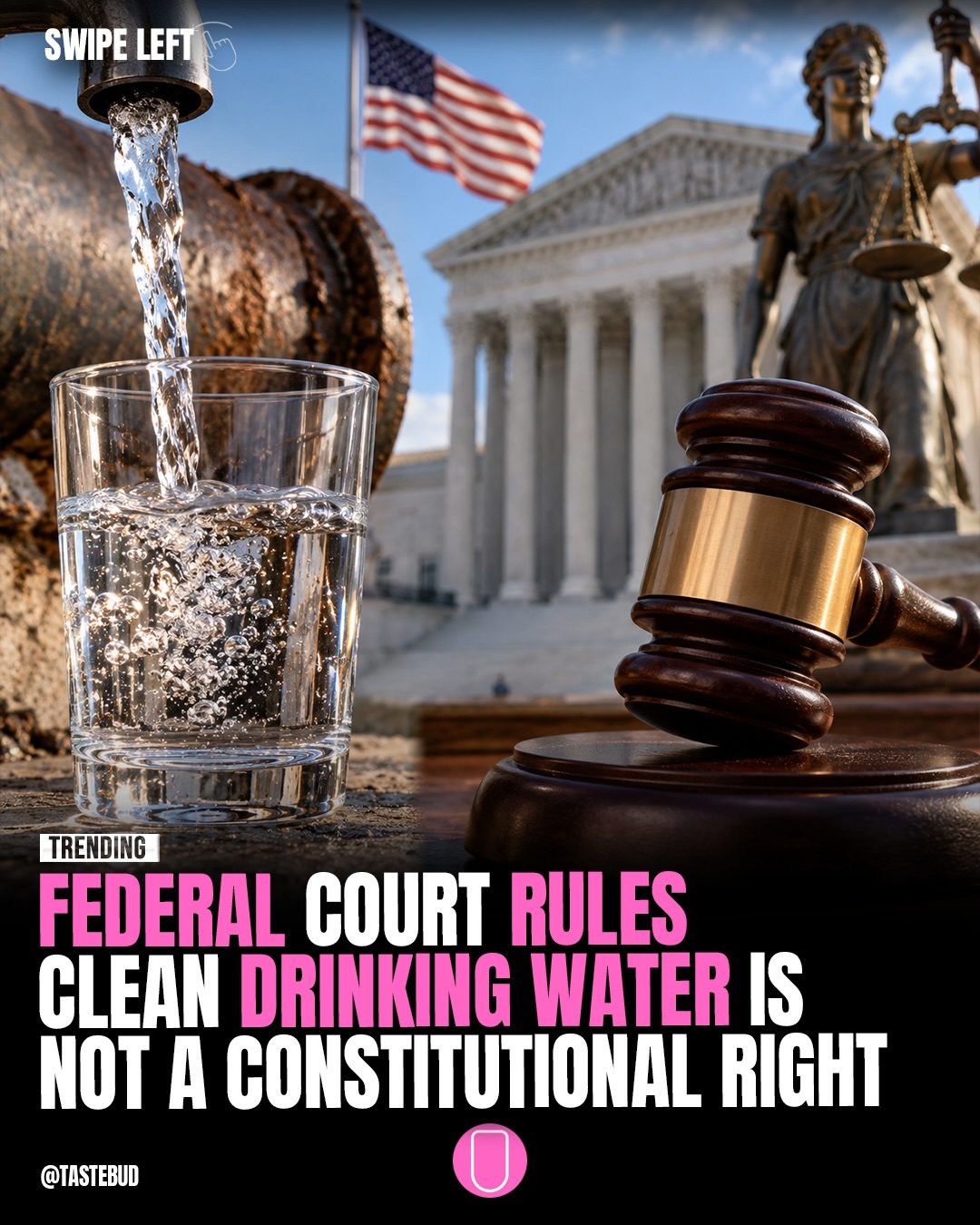
The Fifth Circuit Court of Appeals recently delivered a jarring verdict: clean drinking water is not a constitutional right. The ruling, which upheld the dismissal of a lawsuit over alleged lead contamination in Jackson, Mississippi, has sent shockwaves through communities and legal circles alike. The lawsuit was spearheaded by residents frustrated by the federal and local government's foot-dragging on repairing a failing water system. The public outcry, however, has been met with a cold shoulder by the courts. However, the ruling does not leave communities entirely without recourse or safeguards. “The ruling does not eliminate protections under federal or state water laws.” Those protections are a result of decades of advocacy for public health and remain intact with this court decision. The court's decision on this constitutional question does not negate these other protections. This nuance is crucial for understanding the broader implications.
Jackson, Mississippi: An Ever-Present Water Crisis
The lawsuit in question stems from a decades-long water crisis in Jackson. This city, like many others, is grappling with the legacy of infrastructure neglect. A failing water system has left residents with contaminated water, particularly affected by lead. The lawsuit sought to compel the government to address these issues swiftly. However, the court's ruling has temporarily stymied these efforts. Although it is not an isolation event, a stream of these issues can be traced back to a lack of investment in public health across the country. For the residents of Jackson, the ruling embodies a broader frustration with the slow pace of action from government agencies.
Legal Complexities & Community Implications
The decision from the Fifth Circuit Court has far-reaching legal implications. The court effectively put the onus on state governments to address clean water access. The ruling does not eliminate protections under federal or state water laws, but it signals a potential shift in the legal landscape for environmental justice cases. The impact of this ruling could cascade through other states facing similar battles with contaminated water. Communities will still have the option to seek relief through federal and state laws, but the path to justice may become more convoluted. Legal pathways are a tangled web, and the distinction drawn by the court could complicate future lawsuits involving constitutional rights. The ruling emphasizes the importance of state and federal water laws for protecting communities. This means that residents will still have avenues to pursue justice.
The Road Ahead for Clean Water Activism
The ruling has galvanized activists and community leaders. They argue that clean water is a fundamental human need. This argument, however, does not always translate into a constitutional right. For instance, one activist might note that the constitutional framework often lags behind contemporary issues of human rights. The legal battle for clean water is part of a broader struggle for environmental justice. The current legal landscape presents challenges, but activists and community leaders remain determined. Their resilience is not surprising. Instead of despair, the ruling has galvanized more support for clean water advocacy. Human rights and public health are multifaceted, and the effort to protect clean water access is ongoing.
Watch the Reel
Related deep dives
Similar reads based on topic and creator.




Recent articles
Fresh deep dives from the latest Reels we unpacked.




Comments
Be the first to comment.