Fast-Growing Trees: Species, Benefits, and Care
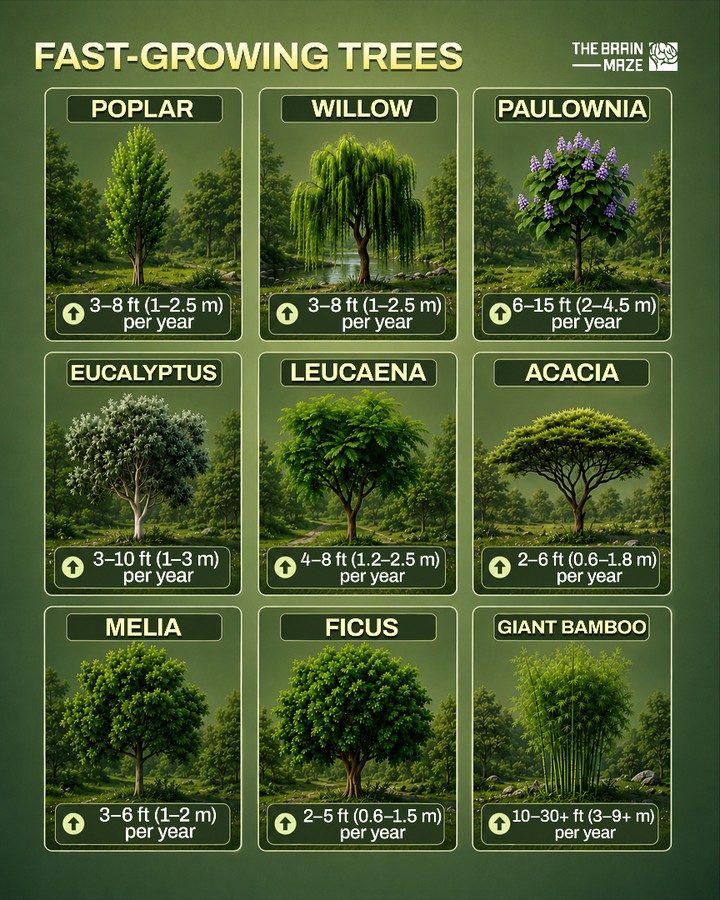
Fast-growing trees are invaluable for a variety of purposes, from providing quick shade to supporting reforestation efforts. Species such as Paulownia, Eucalyptus, Poplar, Willow, and Giant Bamboo are renowned for their rapid growth rates, which can add several feet of height each year under optimal conditions. Let's delve into the world of these fast-growing trees, exploring their benefits, care requirements, and specific species to consider.
Why Fast-Growing Trees Matter
Fast-growing trees offer numerous advantages that make them a popular choice for various landscaping and environmental projects. Their rapid growth provides timely solutions for issues like soil erosion, windbreaks, and shade. Additionally, these trees can be harvested for timber and other wood products more quickly than slower-growing species, making them a valuable resource for reforestation and sustainable forestry practices.
Species of Fast-Growing Trees
Paulownia
Paulownia, also known as the Empress Tree, is one of the fastest-growing hardwoods. It can add 6 to 15 feet (2 to 4.5 meters) per year, making it an excellent choice for quick shade and ornamental landscaping. Paulownia trees are also valued for their lightweight, strong wood, which is used in furniture making and other woodworking projects.
Eucalyptus
Eucalyptus trees are known for their rapid growth and ability to thrive in various climates. They can grow 3 to 6 feet (1 to 2 meters) per year and are often used for timber, pulp, and essential oils. Eucalyptus trees are also effective for erosion control and creating windbreaks.
Poplar
Poplar trees are another fast-growing species, adding 3 to 8 feet (1 to 2.5 meters) per year. They are commonly used for timber, pulp, and as ornamental trees in landscaping. Poplar trees are also known for their ability to improve soil quality and provide habitat for wildlife.
Willow
Willow trees are fast-growing and can add 3 to 8 feet (1 to 2.5 meters) per year. They are often used for erosion control, landscaping, and as a source of biomass for energy production. Willow trees are also valued for their ornamental features and ability to thrive in damp or wet conditions.
Giant Bamboo
Giant Bamboo is one of the fastest-growing plants on Earth, capable of growing 10 to 30+ feet (3 to 9+ meters) per year. It is highly valued for its versatility, used in construction, furniture making, and as a sustainable resource for various products. Giant Bamboo is also effective for erosion control and creating privacy screens.
Leucaena
Leucaena, commonly known as Leadtree, is a fast-growing tree that can add 4 to 8 feet (1.2 to 2.5 meters) per year. It is often used for livestock feed, erosion control, and as a shade tree. Leucaena is also valued for its nitrogen-fixing abilities, which improve soil fertility.
Acacia
Acacia trees are known for their rapid growth, adding 2 to 6 feet (0.6 to 1.8 meters) per year. They are commonly used for timber, fuelwood, and as ornamental trees in landscaping. Acacia trees are also valued for their ability to fix nitrogen in the soil and improve soil quality.
Melia
Melia, also known as the White Cedar, can grow 3 to 6 feet (1 to 2 meters) per year. It is often used for timber, shade, and as a landscaping tree. Melia trees are also valued for their ability to improve soil quality and provide habitat for wildlife.
Ficus
Ficus trees, including the popular Ficus Microcarpa, can grow 2 to 5 feet (0.6 to 1.5 meters) per year. They are commonly used for landscaping, as ornamental trees, and for their edible fruits. Ficus trees are also valued for their ability to provide shade and improve air quality.
Care and Maintenance
The growth rates of these fast-growing trees can vary depending on several factors, including climate, soil quality, water availability, and care. To ensure optimal growth, it's essential to provide the right conditions for each species. Here are some general care tips:
Soil Preparation
Most fast-growing trees prefer well-drained soil with plenty of organic matter. Before planting, prepare the soil by tilling and adding compost or other organic materials. Ensure the soil pH is suitable for the specific tree species you are planting.
Watering
Newly planted trees require regular watering to establish a strong root system. Water deeply once a week, adjusting the frequency based on rainfall and soil conditions. Once established, many fast-growing trees are relatively drought-tolerant, but consistent moisture will promote faster growth.
Fertilization
Fast-growing trees benefit from regular fertilization to support their rapid growth. Use a balanced, slow-release fertilizer in the spring and according to the manufacturer's instructions. Some species, like Paulownia and Eucalyptus, may require additional nutrients, so consult specific care guidelines for each tree.
Pruning
Pruning helps maintain the shape and health of fast-growing trees. Regularly remove dead, diseased, or damaged branches to encourage new growth. Pruning also helps control the size and shape of the tree, making it more suitable for landscaping purposes.
Pest and Disease Management
Fast-growing trees are susceptible to pests and diseases, which can hinder their growth. Regularly inspect your trees for signs of infestation or disease, and take appropriate measures to control them. This may include using insecticidal soaps, horticultural oils, or other organic treatments.
Practical Tips for Planting Fast-Growing Trees
Choose the Right Location
Select a planting site that offers the right conditions for the specific tree species. Consider factors like sunlight, soil type, and space requirements. Ensure there is enough room for the tree to grow to its full size without interfering with buildings, power lines, or other trees.
Planting Techniques
Dig a hole that is twice as wide and just as deep as the tree's root ball. Gently remove the tree from its container and place it in the hole, ensuring the root flare is at ground level. Backfill the hole with native soil, gently firming it around the roots. Water the tree thoroughly after planting.
Mulching
Apply a layer of organic mulch around the base of the tree to help retain moisture, suppress weeds, and regulate soil temperature. Keep the mulch a few inches away from the trunk to prevent rot and pest infestations.
Staking
For young trees, staking may be necessary to provide support against wind and weather. Use flexible materials like bamboo or soft twine to secure the tree to the stakes, allowing it to move slightly in the wind.
Important Takeaways
Fast-growing trees offer numerous benefits, from providing quick shade and erosion control to supporting reforestation efforts. Species like Paulownia, Eucalyptus, Poplar, Willow, and Giant Bamboo are among the fastest-growing trees on Earth, each with unique characteristics and uses. By understanding their care requirements and planting the right species for your needs, you can harness the power of these rapid growers to enhance your landscape and environment.
Conclusion
Fast-growing trees are a valuable addition to any landscape, offering quick solutions for shade, erosion control, and timber production. Whether you choose Paulownia, Eucalyptus, Poplar, Willow, or Giant Bamboo, each species provides unique benefits and requires specific care. By selecting the right tree and providing the necessary conditions, you can enjoy the rapid growth and numerous advantages of these remarkable plants.
Watch the Reel
Questions readers ask
What makes Paulownia and Eucalyptus stand out among fast-growing trees?
Paulownia and Eucalyptus trees are particularly notable for their swift growth rates. Paulownia, also known as the Empress Tree, can grow up to 13-20 feet per year, while Eucalyptus species can add 10-15 feet or more annually. Both species offer benefits like quick shade, erosion control, and valuable timber.
What are the best fast-growing trees for providing quick shade?
For rapid shade, consider trees like Paulownia, Eucalyptus, and Willow. These species can grow several feet each year, providing quick coverage and relief from the sun. Willow trees, in particular, are known for their dense foliage and can grow up to 10 feet per year.
Which fast-growing trees are suitable for timber production?
Several fast-growing trees are excellent for timber. Paulownia and Eucalyptus are top choices due to their rapid growth and high-quality wood. Poplar trees are also a good option, growing quickly and offering versatile wood for various construction and furniture needs.
How do fast-growing trees help with erosion control?
Fast-growing trees like Paulownia, Eucalyptus, and Willow are effective for erosion control due to their extensive root systems. These roots help stabilize the soil, preventing it from washing away during heavy rain. Additionally, their quick growth provides ground cover, further protecting the soil from erosion.
What are the specific care requirements for fast-growing trees?
Fast-growing trees generally require well-drained soil and regular watering, especially in their early years. They also benefit from full sun exposure. Regular pruning helps maintain their shape and encourages healthy growth. Fertilization may be necessary, but it’s best to consult a local nursery for species-specific needs.
How does the growth rate of Paulownia compare to Eucalyptus?
Paulownia trees typically grow faster than Eucalyptus, adding up to 20 feet per year compared to Eucalyptus’ 10-15 feet. However, Eucalyptus trees often outlive Paulownia, offering a longer-term solution for timber and shade. Paulownia’s rapid growth makes it ideal for short-term projects and quick results, while Eucalyptus is better for long-term investments.
What are some of the fastest-growing tree species for various needs?
For various needs, consider Giant Bamboo, which can grow up to 3 feet per day and is excellent for privacy screens, erosion control, and sustainable building materials. Willow is another fast-growing tree, known for its ornamental value and ability to thrive in wet conditions, making it great for waterways and landscaping. Poplar trees are versatile, growing quickly and providing valuable timber and quick shade.
Related deep dives
Similar reads based on topic and creator.


Recent articles
Fresh deep dives from the latest Reels we unpacked.




Comments
Be the first to comment.