
Extreme Heat in New York City
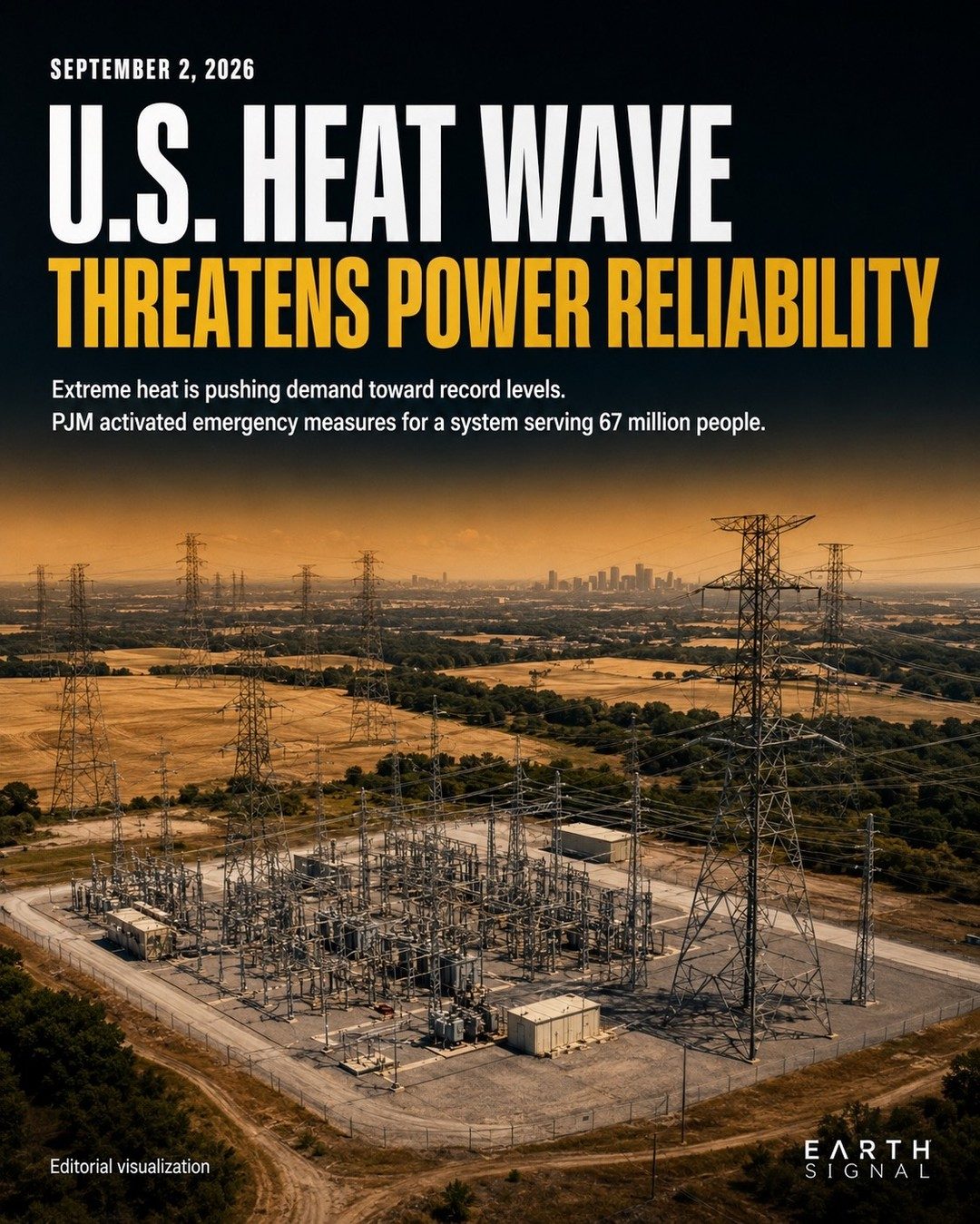
Extreme heat has become an increasingly pressing issue, with record-breaking temperatures affecting major cities across the United States. In July 2026, Philadelphia experienced three consecutive days above 101°F (38.3°C), a first since official records began. Simultaneously, New York City's Central Park reached 100°F (37.8°C) for the first time in 14 years. This intense heatwave, driven by a powerful heat dome, had widespread impacts on over 200 million Americans, leading to emergency heat alerts, record electricity demand, and significant strain on power grids across the eastern United States.
Context
Heatwaves are not just about discomfort; they pose serious health risks. Nighttime temperatures remaining above 80°F (27°C) impede the body's ability to cool down, increasing the risk of heat stroke, cardiovascular stress, and dehydration. Extreme heat is America's deadliest weather-related hazard, causing more annual deaths than hurricanes, floods, and tornadoes combined. Understanding the causes, impacts, and mitigation strategies for extreme heat is crucial for public safety and resilience.
Main discussion
The Science Behind the Heat
Heatwaves occur when a high-pressure system, often referred to as a heat dome, traps hot air over a region. This phenomenon is exacerbated by climate change, which increases the frequency and intensity of such events. The heat dome over the eastern United States in July 2026 was a stark reminder of the urgent need to address global warming.
Impacts on Urban Areas
Urban areas like New York City and Philadelphia are particularly vulnerable to extreme heat due to the urban heat island effect. Concrete and asphalt absorb and retain heat, making cities significantly warmer than their rural surroundings. This effect, combined with the lack of green spaces like Central Park, amplifies the risks associated with heatwaves.
Health Risks
Extreme heat poses significant health risks, especially for vulnerable populations such as the elderly, young children, and those with pre-existing health conditions. Heat stroke, heat exhaustion, and dehydration are common outcomes. Even for healthy individuals, prolonged exposure to high temperatures can lead to cardiovascular stress and other serious health issues.
Infrastructure Strains
The heatwave also placed immense strain on infrastructure. Power grids struggled to meet the increased demand for electricity, often used for cooling. This led to widespread power outages, further exacerbating the situation. Transportation systems, including public transit and air travel, were also disrupted, affecting millions of people's daily routines and livelihoods.
Practical tips
Staying Safe During a Heatwave
- Hydrate: Drink plenty of water, even if you don't feel thirsty. Avoid alcohol and caffeine, which can dehydrate you.
- Stay Cool: Use air conditioning if available. If not, stay in the coolest part of your home, often a basement or ground floor.
- Dress Appropriately: Wear loose, lightweight, light-colored clothing to reflect the sun's rays.
- Avoid Peak Hours: Limit outdoor activities to early morning or late evening when temperatures are lower.
- Check in on Others: Look out for elderly neighbors, friends, and family members, as they are more susceptible to heat-related illnesses.
Community Preparedness
Community preparedness is key to mitigating the impacts of extreme heat. Local governments and communities can implement various measures to enhance resilience:
- Green Spaces: Increase the number of parks and green spaces, which help cool the surrounding area.
- Urban Cooling Centers: Establish cooling centers where people can escape the heat.
- Public Awareness: Educate the public about the risks of extreme heat and how to stay safe.
Important takeaways
- Extreme heat is a serious public health issue: The July 2026 heatwave underscored the urgent need for preparedness and mitigation strategies.
- Climate change exacerbates heatwaves: Rising global temperatures make heatwaves more frequent and intense.
- Urban areas are particularly vulnerable: The urban heat island effect amplifies the risks in cities.
- Infrastructure and public health are at risk: Heatwaves strain infrastructure and cause serious health issues.
- Preparedness and community action are crucial: Individual actions and community-wide measures can significantly reduce the impacts of extreme heat.
Conclusion
The record-breaking heat in New York City and Philadelphia in July 2026 serves as a stark reminder of the urgent need to address extreme heat. By understanding the science behind heatwaves, recognizing their impacts, and taking proactive measures, we can build resilience and protect public health. Whether through individual preparedness, community initiatives, or broader policy changes, every effort counts in mitigating the risks posed by extreme heat. As climate change continues to escalate, our collective actions will be crucial in safeguarding our well-being and infrastructure against future heatwaves.
Watch the Reel
Questions readers ask
What caused the extreme heatwave in New York and Philadelphia in July 2026?
The extreme heatwave in July 2026 was primarily caused by a powerful heat dome, a large area of high pressure that traps hot air and prevents cooler air from moving in. This weather phenomenon, combined with climate change, led to record-breaking temperatures in both cities.
What were the impacts of the July 2026 heatwave on the eastern United States?
The July 2026 heatwave had significant impacts on the eastern United States, including emergency heat alerts, record demand for electricity, and strain on power grids. The intense heat affected over 200 million Americans, posing serious health risks and disrupting daily life.
How did the July 2026 heatwave affect New York City and Philadelphia differently?
While both cities experienced record high temperatures, Philadelphia saw three consecutive days above 101°F (38.3°C), a first in official records. New York City's Central Park reached 100°F (37.8°C) for the first time in 14 years, marking a significant event in the city's weather history.
What role did climate change play in the July 2026 heatwave?
Climate change amplified the risks of heat-related hazards during the July 2026 heatwave. Rising global temperatures increase the frequency and intensity of heatwaves, making events like the one in July 2026 more likely and more severe.
What are the health risks associated with extreme heatwaves like the one in July 2026?
Extreme heatwaves pose serious health risks, including heat exhaustion, heatstroke, and even death. High temperatures, especially when nighttime temperatures remain elevated, can impede the body's ability to cool down, exacerbating these risks.
Related deep dives
Similar reads based on topic and creator.



Recent articles
Fresh deep dives from the latest Reels we unpacked.



Comments
Be the first to comment.