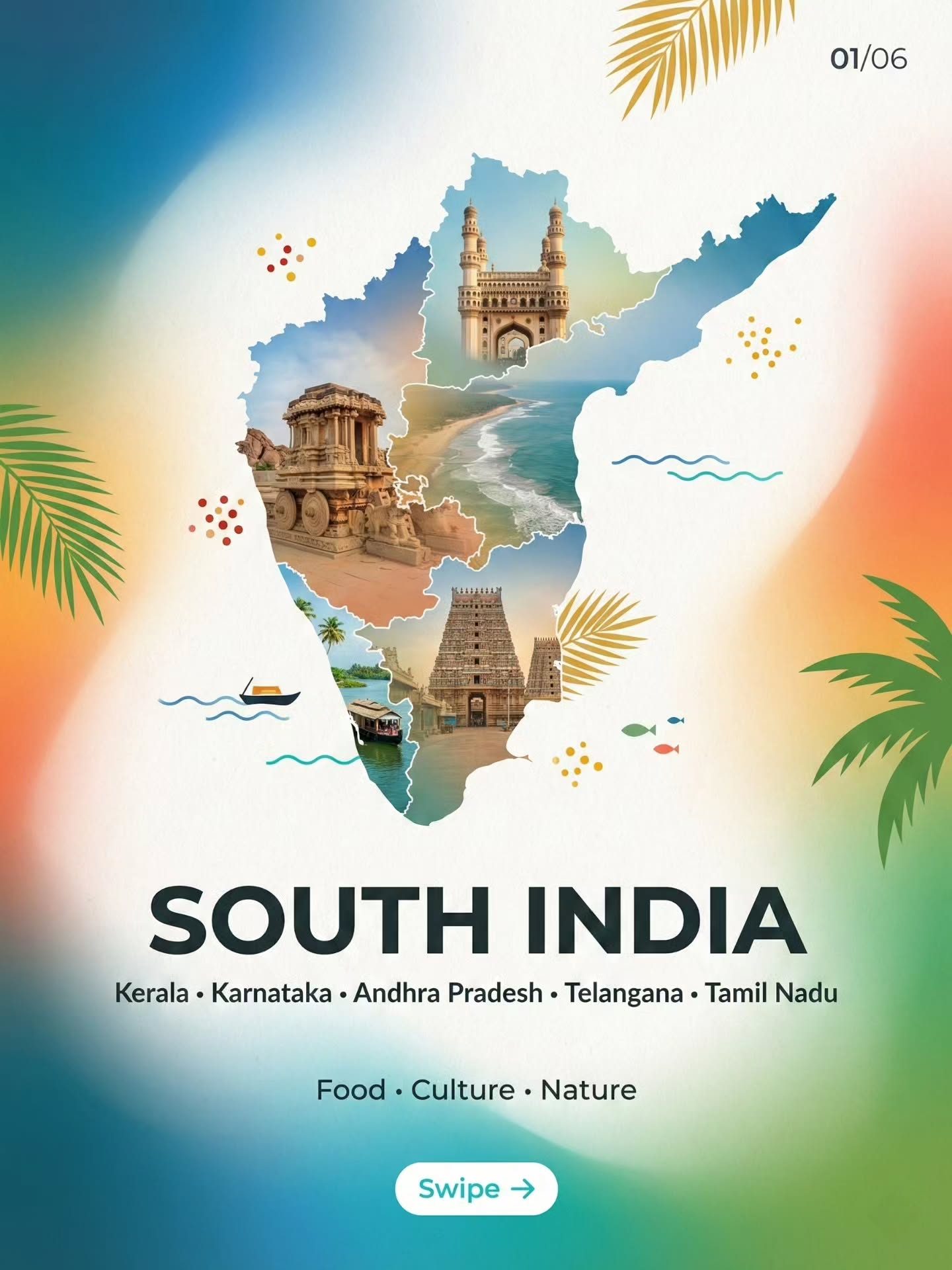
South India: A Comprehensive Travel Guide
South India, with its rich cultural heritage, diverse landscapes, and delectable cuisine, is a treasure trove for travelers. This region, comprising the states of Kerala, Karnataka, Andhra Pradesh, Telangana, and Tamil Nadu, offers a unique blend of history, nature, and culinary delights.
Why South India Matters
South India is not just a geographical region; it's a cultural tapestry woven with ancient traditions, vibrant festivals, and architectural marvels. From the serene backwaters of Kerala to the majestic palaces of Karnataka, from the historic sites of Andhra Pradesh to the bustling cities of Tamil Nadu, and from the medieval grandeur of Telangana to the timeless beaches, South India has something for every traveler. The region's unique identity is further enhanced by its distinct culinary traditions, each state offering a plethora of mouth-watering dishes.
Exploring South India
Kerala
Kerala, often referred to as "God's Own Country," is renowned for its ecological diversity, tranquil backwaters, and laid-back atmosphere. The state is a paradise for nature lovers, offering a myriad of experiences from houseboat cruises on the backwaters to trekking in the Western Ghats. Kerala's beaches, like Kovalam and Varkala, are famous for their pristine sandy shores and scenic beauty. The state is also known for its vibrant festivals like Onam, during which traditional dance forms like Kathakali and Mohiniyattam are performed. Kerala offers a wide range of culinary delights, from Appam and Stew to Karimeen Pollichathu, and not forgetting the famed Kerala tea.
Karnataka
Karnataka is a land of contrasts, where the grandeur of historical sites like Hampi and Mysore coexists with the tranquil beauty of coffee plantations in Coorg. Karnataka offers a wealth of experiences for travelers, from exploring the ancient ruins of Hampi, a UNESCO World Heritage Site, to savoring the rich flavors of Mysore Masala Dosa. Coorg, with its lush green landscapes and aromatic coffee estates, is a must-visit for nature and coffee enthusiasts. The state is also famous for its silk and sandalwood products, which are highly sought after for their quality and craftsmanship. Karnataka’s diversity extends to its cultural heritage, with vibrant festivals like the Mysore Dasara and the Hampi Utsav showcasing traditional art forms and local cuisines.
Andhra Pradesh and Telangana
Once part of a single state, Andhra Pradesh and Telangana have distinct identities and rich cultural legacies. Andhra Pradesh is known for its architectural marvels, such as the ancient temple of Tirupati, which attracts millions of pilgrims each year. The state also offers a diverse range of culinary experiences, from the spicy Hyderabadi Biryani to the traditional Mangalorean fish curry. Telangana, on the other hand, is famous for its historical sites like the Golconda Fort and the Charminar in Hyderabad. The state is also home to the world's largest film studio complex, Ramoji Film City, and offers a variety of cultural experiences, including the traditional Deccani cuisine. The city of Hyderabad is particularly renowned for its historical landmarks and cultural attractions, including the Salar Jung Museum and the Old City Night Walk.
Tamil Nadu
Tamil Nadu, the land of the Tamils, is the southernmost state of South India, and is a treasure trove of ancient temples, bustling cities, and serene beaches. The state is home to the historic site of Mahabalipuram, with its ancient rock carvings and temples. Chennai, the state capital, is a vibrant metropolis known for its rich cultural heritage and bustling markets. Tamil Nadu is also famous for its unique cuisine, which includes dishes like Idli, Sambar, and Rava Kichadi.
Practical Tips for Traveling in South India
Best Time to Visit
The best time to visit South India is during the winter months, from November to February, when the weather is pleasant and suitable for outdoor activities.
Getting Around
South India is well-connected by air, rail, and road. Major cities like Bengaluru, Chennai, and Hyderabad have international airports. Trains and buses are also convenient and affordable modes of transportation. Renting a car or hiring a taxi is a good option for exploring the interiors and remote areas.
What to Pack
Pack light, breathable clothing, comfortable walking shoes, a hat, and sunscreen. Don’t forget to carry insect repellent, especially if you plan to visit rural areas or the backwaters. A waterproof jacket is essential during the monsoon season.
Local Cuisine
South Indian cuisine is diverse and flavorful. Dishes like Dosa, Idli, and Sambar are staples in most parts of the region. Each state has its unique culinary offerings, so be sure to try local specialties. Don’t miss out on the street food, which is a delightful way to experience the local flavors.
Safety Tips
South India is generally safe for travelers, but it’s always a good idea to take basic precautions. Avoid isolated areas, especially at night. Keep your valuables secure and be cautious of pickpockets in crowded places. Always carry a copy of your identification and travel documents.
Important Takeaways
South India is a destination that offers a rich tapestry of experiences, from cultural immersion to natural beauty. Whether you’re a history buff, a foodie, or a nature enthusiast, South India has something special to offer. The region's diverse landscapes, vibrant cultures, and delicious cuisine make it a must-visit destination for travelers from around the world.
Conclusion
South India is a land of contrasts and treasures, offering a rich cultural experience, unique landscapes, and a diverse range of culinary delights. Whether you are exploring the historic sites of Karnataka, relaxing on the beaches of Kerala, or savoring the flavors of Tamil Nadu, South India promises an unforgettable journey. Plan your trip with these insights and get ready to explore the vibrant tapestry of South India.
Watch the Reel
Questions readers ask
Which are the five states that make up South India?
The five states that constitute South India are Kerala, Karnataka, Andhra Pradesh, Telangana, and Tamil Nadu. Each state offers a unique blend of cultures, historical sites, and natural landscapes.
What are some must-visit historical sites in Karnataka?
Karnataka is home to several historical sites, including the iconic Mysore Palace and the ancient temples of Hampi. Additionally, the ancient ruins of Pattadakal, a UNESCO World Heritage Site, showcase the region's rich history and architectural prowess.
What makes the backwaters of Kerala a popular tourist destination?
The backwaters of Kerala are renowned for their serene and picturesque landscapes, featuring a network of interconnected canals, lagoons, and lakes. Visitors can enjoy houseboat cruises, offering a tranquil and immersive experience in the natural beauty of Kerala.
What are some culinary specialties to try in South India?
South Indian cuisine is diverse and flavorful. Must-try dishes include idli and dosa from Tamil Nadu, biryani from Andhra Pradesh and Telangana, and seafood curries from Kerala. Each state offers unique spices, cooking techniques, and flavor profiles.
What are some of the best times to visit South India for an enjoyable experience?
The best times to visit South India are from October to February and from June to July. These months offer pleasant weather, making it ideal for exploring outdoor attractions and enjoying various festivals and cultural events. However, it's important to note that the monsoon season from June to September can bring heavy rains, particularly in Kerala and Karnataka.
What are some of the most iconic temples to visit in Tamil Nadu?
Tamil Nadu is famous for its grand temples, including the Brihadeeswarar Temple in Thanjavur, the Meenakshi Temple in Madurai, and the Ranganathaswamy Temple in Srirangam. These temples are not only architectural marvels but also hold significant cultural and religious importance.
What kinds of nature trails can be explored in South India?
South India offers a variety of nature trails, from coastal walks to dense forests. In Kerala, the Western Ghats provide trekking opportunities, and the Silent Valley National Park offers wildlife spotting. In Tamil Nadu, the Nilgiri Hills and Mudumalai National Park provide serene landscapes and diverse flora and fauna.
Related deep dives
Similar reads based on topic and creator.




Recent articles
Fresh deep dives from the latest Reels we unpacked.




Comments
Be the first to comment.