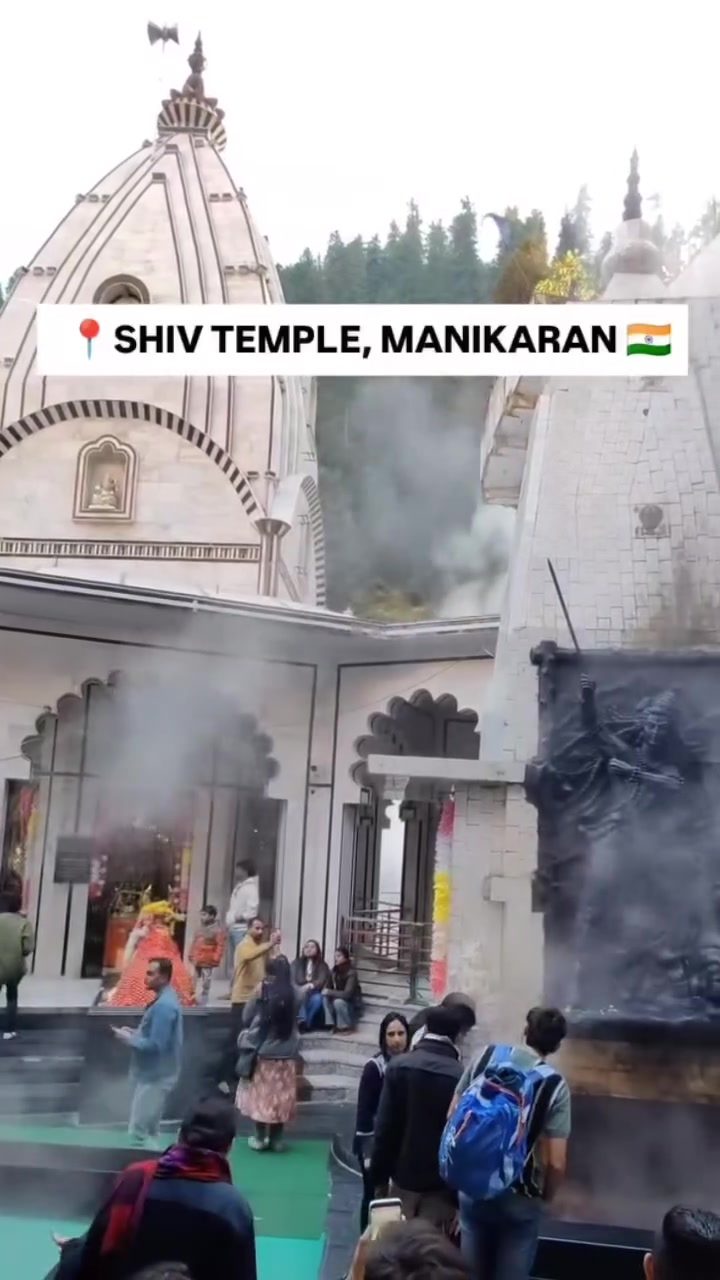
Shiv Temple, Manikaran
Manikaran, a small town in the Parvati Valley of the Himalayas, is renowned for the sacred Shiv Temple. Located in the state of Himachal Pradesh, this temple draws pilgrims and tourists alike with its unique architectural design and spiritual significance. The temple is particularly notable for the natural hot springs that surround it, contributing to an ambiance filled with smoke and steam. This environment makes the temple's atmosphere mystical and serene, with the powerful energy of the Shiva deity resonating throughout the space.
Why this matters
Visiting the Shiv Temple in Manikaran is more than just a religious experience; it's a journey through cultural history and natural wonders. The temple holds immense significance for devotees of Lord Shiva, as it is believed to be one of the 12 Jyotirlingas (lingams that emit light) in India.
The temple's unique setting, nestled in the Parvati Valley, is not only spiritually enriching but also visually stunning. The constant presence of smoke and steam from the hot springs adds to the mystical ambiance. The architectural beauty of the temple, combined with the serenity of the surroundings, makes it a must-visit destination for both spiritual seekers and nature enthusiasts.
Main Discussion
The Historical and Cultural Significance
The Shiv Temple in Manikaran is deeply rooted in Hindu mythology. According to legend, the temple was built by the Pandavas during their exile period, as depicted in the ancient epic, the Mahabharata. The hot springs are said to have healing properties, and devotees believe that the waters can cure many ailments. The temple complex includes several smaller shrines and a community kitchen (langar) where devotees can partake in a communal meal, fostering a sense of community and unity.
The Architectural Marvel
The temple's architecture is a blend of traditional Himalayan style and modern designs. The main structure is adorned with intricate carvings that depict various aspects of Hindu mythology. The statue of Lord Shiva, positioned prominently within the temple, is a sight to behold. The temple’s design allows it to blend seamlessly with the natural landscape, making it a harmonious blend of man-made and natural beauty. The surrounding hot springs, which emit a constant flow of steam, add to the ethereal atmosphere, making the temple visually stunning and spiritually charged.
The Mystical Atmosphere
One of the most distinctive features of the Shiv Temple in Manikaran is the ever-present smoke and steam. The temple is built around natural hot springs, which emanate a thick, billowing steam that often obscures parts of the temple and the people present. This phenomenon not only adds to the mystical allure of the temple but also has a practical purpose. The steam is believed to have purifying properties, and devotees often pass through the steam to cleanse themselves.
The Experience
Visiting the Shiv Temple is a multifaceted experience. The journey to the temple itself is an adventure, as it involves navigating through the picturesque Parvati Valley. Upon reaching the temple, visitors are greeted by the sight of the towering temple structure and the ever-present steam. The atmosphere is serene, with the sound of chanting and the rustling of leaves creating a calming backdrop. Devotees can participate in various rituals and ceremonies, including the abhishekam (ritual bath) of the Shiva Lingam, which is considered highly auspicious.
Practical Tips
Best Time to Visit
The best time to visit the Shiv Temple in Manikaran is during the summer months, between April and June, when the weather is pleasant and the landscape is lush and green. However, the temple is accessible throughout the year, and each season offers a unique experience. Winters can be harsh, but the snow-capped landscapes add to the beauty of the surroundings.
What to Pack
When visiting the Shiv Temple, it's essential to pack appropriately. Given the high altitude and the presence of steam, dressing in layers is advisable. Carry comfortable walking shoes, as the temple is located in a steep area. Always carry a bottle of water, snacks, and any essential medication. A camera is a must to capture the stunning scenery and the rituals being performed. Also, remember to carry appropriate attire for visiting the temple, as respecting local customs is important.
Exploring the Valley
While the Shiv Temple itself is a significant attraction, the Parvati Valley offers much more to explore. Nearby attractions include the Parvati River, which is perfect for a leisurely walk or a picnic. Additionally, trekking trails and hot springs in the surrounding areas offer a rejuvenating experience. Visitors can also explore local villages and interact with the friendly locals to gain deeper insights into the region's culture and traditions.
Important Takeaways
The Shiv Temple in Manikaran is a sacred destination that offers a profound spiritual experience. The temple's unique architecture, combined with the natural hot springs and the serene environment, creates an atmosphere that is both awe-inspiring and calming. Visiting the temple is not just about the spiritual rituals but also about appreciating the natural beauty and cultural heritage of the region.
The Cultural Connection
The temple is a testament to the rich cultural heritage of India. It serves as a reminder of ancient legends and the enduring faith that continues to thrive. The communal kitchen and the various rituals provide a sense of community and togetherness, reinforcing the values of unity and brotherhood.
The Natural Splendor
The Parvati Valley, with its lush landscapes and thermal springs, is a natural wonder. The steam and smoke from the hot springs add to the mystical aura of the temple, making it a unique destination. The valley offers various opportunities for exploration, from trekking and picnics to cultural interactions, ensuring that visitors have a well-rounded experience.
The Spiritual Journey
For devotees of Lord Shiva, the Shiv Temple in Manikaran is a pilgrimage site of immense significance. The rituals and ceremonies performed here are believed to bring blessings and spiritual growth. The serene atmosphere and the natural surroundings make it an ideal place for meditation and introspection, providing a spiritual journey that is both enriching and transformative.
Conclusion
The Shiv Temple in Manikaran is a destination that offers a blend of spiritual, cultural, and natural experiences. The temple's unique architecture, the ever-present steam, and the serene environment create an atmosphere that is both mysterious and calming. Whether you are a devotee seeking spiritual growth or a traveler looking to explore the beauty of the Himalayas, a visit to the Shiv Temple in Manikaran is an experience that will leave a lasting impression.
Watch the Reel
Questions readers ask
What makes the Shiv Temple in Manikaran unique among other temples in the Himalayas?
The Shiv Temple in Manikaran stands out due to its natural hot springs, which create a surreal atmosphere with smoke and steam. This distinctive environment, combined with its architectural design and deep spiritual significance, sets it apart from other temples in the region.
Why are the hot springs in Manikaran significant?
The hot springs in Manikaran are significant because they contribute to the mystical atmosphere of the Shiv Temple. The steam and smoke from these springs create a unique ambiance. This natural phenomenon is believed to enhance the spiritual experience of visitors.
What is the best time to visit the Shiv Temple in Manikaran?
The best time to visit the Shiv Temple in Manikaran is during the months of March to June and September to November. During these periods, the weather is pleasant, making it ideal for exploring the temple and the surrounding Parvati Valley.
What can visitors expect from the spiritual experience at the Shiv Temple in Manikaran?
Visitors can expect a profound spiritual experience at the Shiv Temple in Manikaran, due to the powerful energy of the Shiva deity. The temple's atmosphere, enhanced by the natural hot springs, offers a serene and mystical environment that resonates with the cultural and spiritual significance of the site.
Are there other notable temples in Manikaran besides the Shiv Temple?
Yes, besides the Shiv Temple, Manikaran is also home to other notable temples, such as the Gurudwara Shri Manikaran Sahib and the Ram Temple. These temples add to the rich cultural and spiritual heritage of the town, making it a significant pilgrimage destination.
Can visitors capture videos of their spiritual journey at the Shiv Temple?
While it is possible to capture videos of the spiritual journey at the Shiv Temple in Manikaran, visitors should be respectful of the temple's rules and the spiritual atmosphere. Some areas may have restrictions on videography, so it's advisable to check with local authorities or temple officials before recording.
Related deep dives
Similar reads based on topic and creator.




Recent articles
Fresh deep dives from the latest Reels we unpacked.




Comments
Be the first to comment.