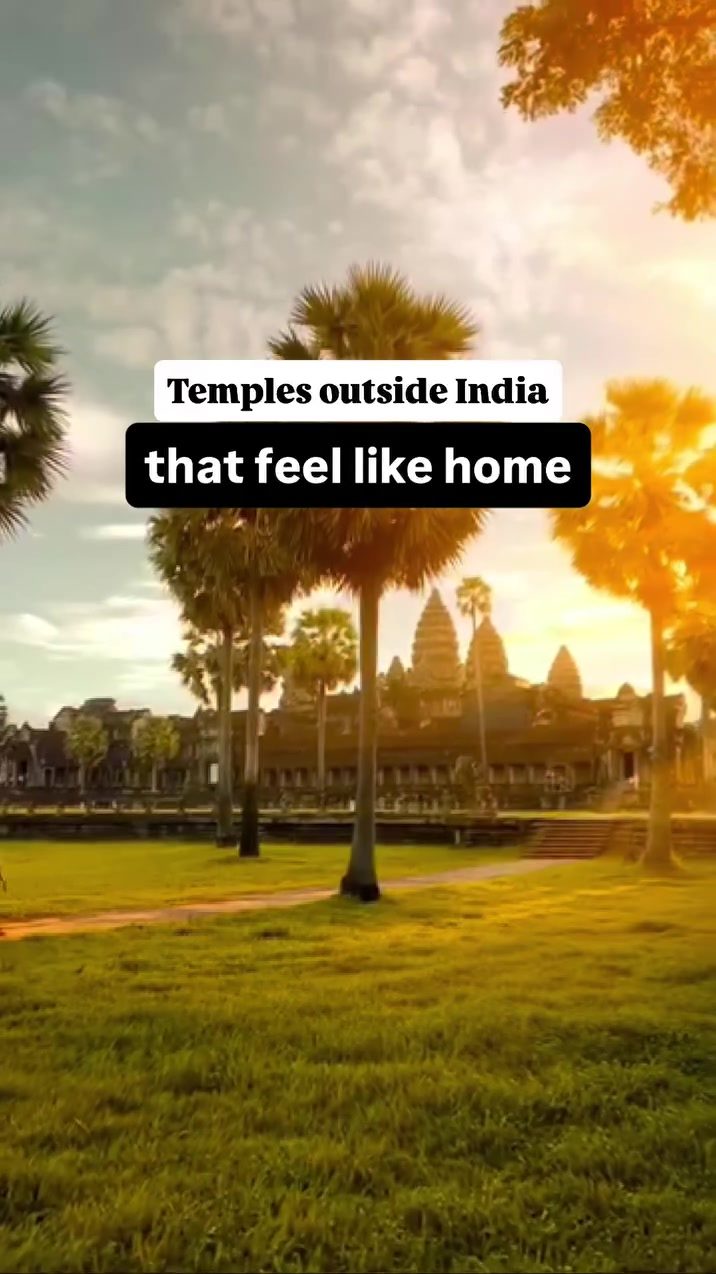
Temples Outside India: Iconic Sites That Evoke a Sense of Familiarity
Temples outside India offer a unique blend of cultural richness and architectural marvels. While India is renowned for its temple heritage, there are many temples scattered across Southeast Asia that bear a striking resemblance to their Indian counterparts, both in style and spiritual significance. This guide explores some of these remarkable sites, their historical context, and why they feel so familiar to visitors from India.
Context: The Influence of Indian Culture in Southeast Asia
The influence of Indian culture in Southeast Asia is profound, particularly evident in the region's temple architecture. Many temples in countries like Cambodia, Thailand, and Indonesia were inspired by Indian temple designs, reflecting the spread of Hinduism and Buddhism in these regions. The architectural styles, intricate carvings, and religious practices in these temples often mirror those found in India, creating a sense of familiarity for Indian visitors.
Main Discussion
Angkor Wat, Cambodia
Angkor Wat, located in Siem Reap, Cambodia, is one of the most famous temple complexes in the world. Built in the 12th century during the Khmer Empire, this vast temple is dedicated to the Hindu god Vishnu. With its towering spires, ornate carvings, and vast moat, Angkor Wat bears a striking resemblance to many ancient Indian temples. Its layout, with multiple towers and galleries, is reminiscent of South Indian temple architecture.
The intricate carvings on the walls of Angkor Wat depict scenes from Hindu epics like the Ramayana and Mahabharata, as well as narratives from the Bhagavata Purana. These stories are deeply rooted in Indian mythology, making the temple feel familiar to many Indian visitors. The impressive scale and grandeur of Angkor Wat, coupled with its religious significance, make it a must-visit destination.
Wat Arun, Thailand
Wat Arun, also known as the Temple of Dawn, is situated on the west bank of the Chao Phraya River in Bangkok, Thailand. This stunning temple is notable for its unique architecture, which features a central prang (tower) surrounded by four smaller prangs. The temple's design is inspired by Khmer temple architecture, particularly Angkor Wat, but it also incorporates elements of Thai design.
The temple's ornate decoration, with intricate porcelain and glass mosaics, gives it a distinctive look. The central prang, adorned with elaborate carvings and a gilded spire, adds to its grandeur. Wat Arun's serene atmosphere and its location along the river make it a popular spot for visitors seeking a tranquil experience.
Prambanan Temple, Indonesia
Prambanan Temple, located in Central Java, Indonesia, is a UNESCO World Heritage site and one of the largest Hindu temples in Southeast Asia. Built in the 9th century during the reign of the Sailendra dynasty, Prambanan is dedicated to the Trimurti, the expression of God as the Creator (Brahma), the Preserver (Vishnu), and the Destroyer (Shiva).
The temple complex consists of multiple shrines, each dedicated to different deities. The main shrine, dedicated to Shiva, stands at an impressive 47 meters tall. The temple's architecture, characterized by its towering shikhara (spires) and intricate carvings, is similar to many South Indian temples. The elaborate carvings on the walls of the temple depict scenes from the Ramayana, reflecting the deep influence of Indian culture in Indonesia.
Practical Tips for Visiting These Temples
Visiting these temples can be a profound experience, offering a mix of cultural exploration and spiritual reflection. Here are some practical tips to make the most of your trip:
Plan Ahead
Research the best times to visit each temple. For instance, Angkor Wat is stunning during sunrise and sunset, while Wat Arun is best visited during the day to appreciate its intricate details. Prambanan Temple is equally enchanting in the morning light.
Hire a Guide
While many temples provide brochures and signage in multiple languages, hiring a local guide can enhance your understanding and appreciation of the site. Guides can offer insights into the history, architecture, and cultural significance of the temples.
Dress Appropriately
Respect local customs and dress codes when visiting these sacred sites. Dress modestly, covering your shoulders and knees, and remove your shoes before entering the temple interiors.
Stroll Around
Don't rush through your visit. Take the time to explore the temple grounds, appreciate the intricate carvings, and soak in the serene atmosphere. Each temple has unique features and hidden gems that are best discovered on foot.
Important Takeaways
Temples outside India, such as Angkor Wat, Wat Arun, and Prambanan Temple, offer a unique blend of cultural richness and architectural marvels. These sites not only showcase the profound influence of Indian culture in Southeast Asia but also provide a sense of familiarity and spiritual connection for Indian visitors. Whether through their intricate carvings, towering spires, or serene atmospheres, these temples are a testament to the enduring legacy of Indian culture and art.
For those who enjoy travel and temple visits, exploring these sites can be a deeply rewarding experience. By immersing yourself in the rich history, architectural beauty, and cultural significance, you can gain a deeper appreciation for the diverse heritage of these remarkable locations.
Conclusion
Temples outside India, such as Angkor Wat, Wat Arun, and Prambanan Temple, are iconic sites that evoke a deep sense of familiarity and awe. These temples, with their intricate carvings, soaring spires, and rich historical significance, offer a unique opportunity to explore the enduring influence of Indian culture in Southeast Asia. Whether you are a history enthusiast, an architecture buff, or a spiritual seeker, visiting these temples can be a transformative experience.
Watch the Reel
Questions readers ask
Which temples outside India are most influenced by Indian temple architecture?
Several temples in Southeast Asia showcase a strong influence from Indian temple architecture. Notable examples include Angkor Wat in Cambodia, Wat Arun in Thailand, and Prambanan Temple in Indonesia. Each of these sites features distinctive carvings and designs that draw inspiration from Indian temple styles.
What makes Angkor Wat a must-visit temple for those interested in cultural heritage?
Angkor Wat is renowned for its intricate carvings and grand scale, making it a must-visit for those interested in cultural heritage and architectural marvels. Its design, inspired by Hindu temple architecture, includes elaborate bas-reliefs and towering spires, offering a familiar yet awe-inspiring experience for visitors from India.
How did Indian culture influence temple architecture in Southeast Asia?
Indian culture significantly influenced temple architecture in Southeast Asia through trade, migration, and religious exchange. Many temples in the region, such as those in Cambodia, Thailand, and Indonesia, were built using styles and motifs inspired by Indian temple designs, resulting in a unique blend of local and Indian architectural elements.
What are some iconic temples in Southeast Asia that visitors from India should consider visiting?
Visitors from India will find a sense of familiarity in several iconic temples across Southeast Asia. Angkor Wat in Cambodia, Wat Arun in Thailand, and Prambanan Temple in Indonesia are some of the must-visit temples that offer a rich blend of cultural heritage and stunning architecture, making them ideal for a temple trip.
Why do temples outside India feel familiar to visitors from India?
Temples outside India often feel familiar to visitors from India due to the shared architectural styles and religious motifs. The profound influence of Indian culture in Southeast Asia is evident in the design and construction of these temples, which showcases intricate carvings, towering spires, and spiritual significance similar to those found in India.
What historical context surrounds the temple architecture in Southeast Asia?
The historical context of temple architecture in Southeast Asia is deeply rooted in the ancient interactions and exchange of ideas between Indian and Southeast Asian cultures. Many temples in the region were constructed during periods of significant cultural exchange, when Indian art and architecture were integrated with local traditions, resulting in the unique temple designs seen today.
Related deep dives
Similar reads based on topic and creator.




Recent articles
Fresh deep dives from the latest Reels we unpacked.




Comments
Be the first to comment.