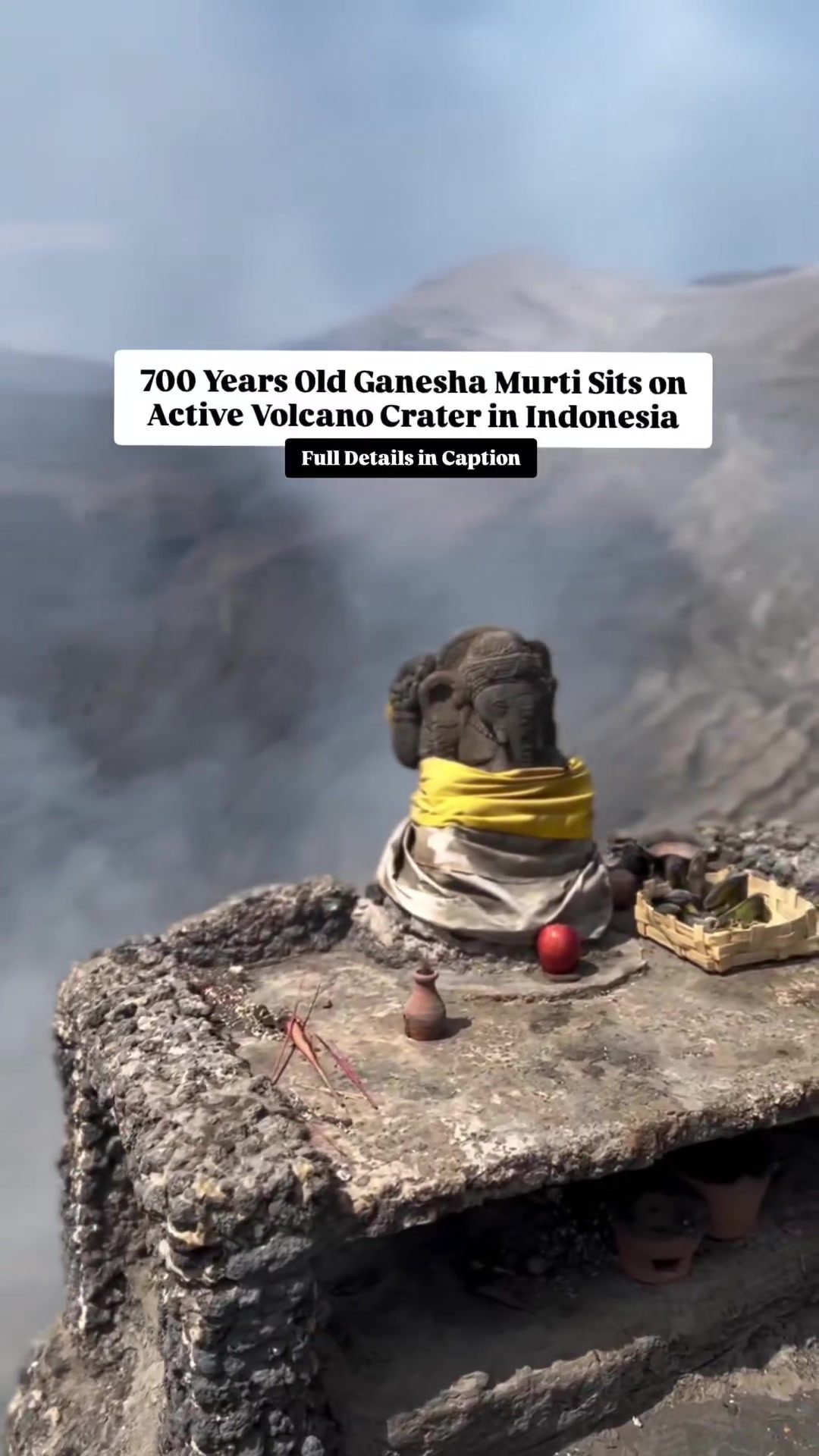
The 700-Year-Old Ganesh Murti on an Active Volcano Crater in Indonesia
Nestled on the rim of an active volcano crater in Indonesia, a 700-year-old statue of Ganesh, the elephant-headed Hindu deity, stands as a remarkable testament to resilience and devotion. This ancient sculpture, situated in a dramatic and spiritual setting, is a compelling blend of natural wonder and cultural significance.
Context / Why this matters
The juxtaposition of the ancient Ganesh Murti with the raw power of an active volcano creates a unique and awe-inspiring site. This location is not just a geological marvel but also a place of deep religious and cultural importance. Understanding the significance of this site provides insights into the convergence of nature, spirituality, and human devotion.
Main discussion
The Volcanic Setting
The active volcano crater adds a layer of dynamism and unpredictability to the site. Volcanic activity, with its smoke and steam, creates a constant, ever-changing backdrop. This natural spectacle enhances the mystique of the site, making it a place of both awe and reverence. It serves as a reminder of the Earth's powerful forces and the resilience of human faith.
The Ancient Statue
The 700-year-old Ganesh Murti is a work of art that has withstood the test of time. The statue, weathered by centuries of exposure to the elements, bears the marks of its long history. Despite this, it maintains an aura of serenity and majesty. The weathered appearance adds to its authenticity, making it a living testament to the enduring nature of faith and devotion.
Cultural and Religious Significance
Ganesh, known as the remover of obstacles and the god of new beginnings, is one of the most beloved deities in Hinduism. The placement of his statue on an active volcano crater is symbolic, representing the triumph of spiritual devotion over the challenges and uncertainties of life. The offerings placed nearby are a testament to the ongoing worship and reverence for this ancient deity. These offerings, often made by pilgrims, signify the living connection between the divine and the human.
The Spiritual Scene
The scene, with its dramatic backdrop of smoke and steam, creates a spiritual aura that is both mesmerizing and profound. The rising smoke and steam from the crater symbolize the volatile and unpredictable nature of life, while the statue of Ganesh represents stability and faith. This contrast highlights the duality of life, where chaos and calm coexist, and faith provides a steady anchor amidst uncertainty.
Practical tips
For those planning to visit this extraordinary site, a few practical tips can enhance the experience:
-
Prepare for the Elements: The volcanic environment can be harsh, with fluctuating temperatures and high humidity. Dress appropriately and carry essentials like water, sunscreen, and a hat.
-
Respect the Site: This is a place of worship, so it's important to be respectful. Maintain a quiet and reverent demeanor, and follow any guidelines or restrictions in place.
-
Timing Your Visit: The site is most dramatic during the early morning or late afternoon when the light enhances the volcanic activity and the statue is beautifully lit.
Important takeaways
The 700-year-old Ganesh Murti on an active volcano crater in Indonesia is a unique and profound site that offers a blend of natural wonder and spiritual devotion. The setting, with its dramatic backdrop and ancient sculpture, tells a story of resilience, faith, and the enduring human connection to the divine. This site serves as a poignant reminder that amidst the challenges and uncertainties of life, faith and devotion can provide a steady anchor.
Conclusion
The confluence of the ancient Ganesh Murti and the active volcano crater in Indonesia creates a site of profound significance. This location is not just a testament to the power of nature but also a symbol of enduring human faith. For those who visit, it offers a unique and awe-inspiring experience that blends natural wonder with spiritual devotion. Whether you're a devotee, a nature enthusiast, or a traveler seeking unique experiences, this site is a must-visit, offering a blend of drama, spirituality, and cultural richness.
Watch the Reel
Questions readers ask
Why is the Ganesh statue on the volcano crater significant?
The Ganesh statue's location on an active volcano crater in Indonesia is significant because it represents a unique blend of natural power and spiritual devotion. This site serves as a striking example of how cultural and religious practices can coexist with geological phenomena, offering a profound experience for visitors.
How old is the Ganesh statue on the Indonesian volcano?
The Ganesh statue is approximately 700 years old. Despite its age, the statue has withstood the test of time and the harsh conditions of an active volcano, showcasing the resilience of both the sculpture and the faith it represents.
What is the significance of Ganesh in Hindu culture?
Ganesh, the elephant-headed deity, is highly revered in Hindu culture. Known as the remover of obstacles, he is worshipped for wisdom, good fortune, and the power to overcome challenges. His presence on the volcano crater adds a layer of spiritual depth to the already dramatic landscape.
Is the volcano on which the Ganesh statue stands still active?
Yes, the volcano on which the Ganesh statue stands is still active. The dynamic nature of the volcano, with its steam and smoke, creates a stunning backdrop for the ancient sculpture, enhancing the spiritual and natural wonders of the site.
Can visitors access the Ganesh statue on the volcano?
Access to the Ganesh statue on the volcano crater may be limited due to the active nature of the volcano. Visitors should check local guidelines and safety measures before attempting to visit. The journey to the site can be physically demanding, so proper preparation is essential.
What are the cultural implications of the Ganesh statue on the volcano?
The Ganesh statue on the volcano crater embodies the cultural significance of the Hindu faith in Indonesia. It serves as a reminder of the enduring nature of faith and the harmonious coexistence of religious practices with the natural world, attracting both devotees and curious visitors.
Are there any safety precautions when visiting the Ganesh Statue?
When visiting the Ganesh Statue, it's crucial to stay on designated paths and follow local guidelines due to the active volcanic environment. The site can be subject to sudden changes in volcanic activity, so staying informed about the current status of the volcano is essential for a safe visit.
Related deep dives
Similar reads based on topic and creator.




Recent articles
Fresh deep dives from the latest Reels we unpacked.




Comments
Be the first to comment.