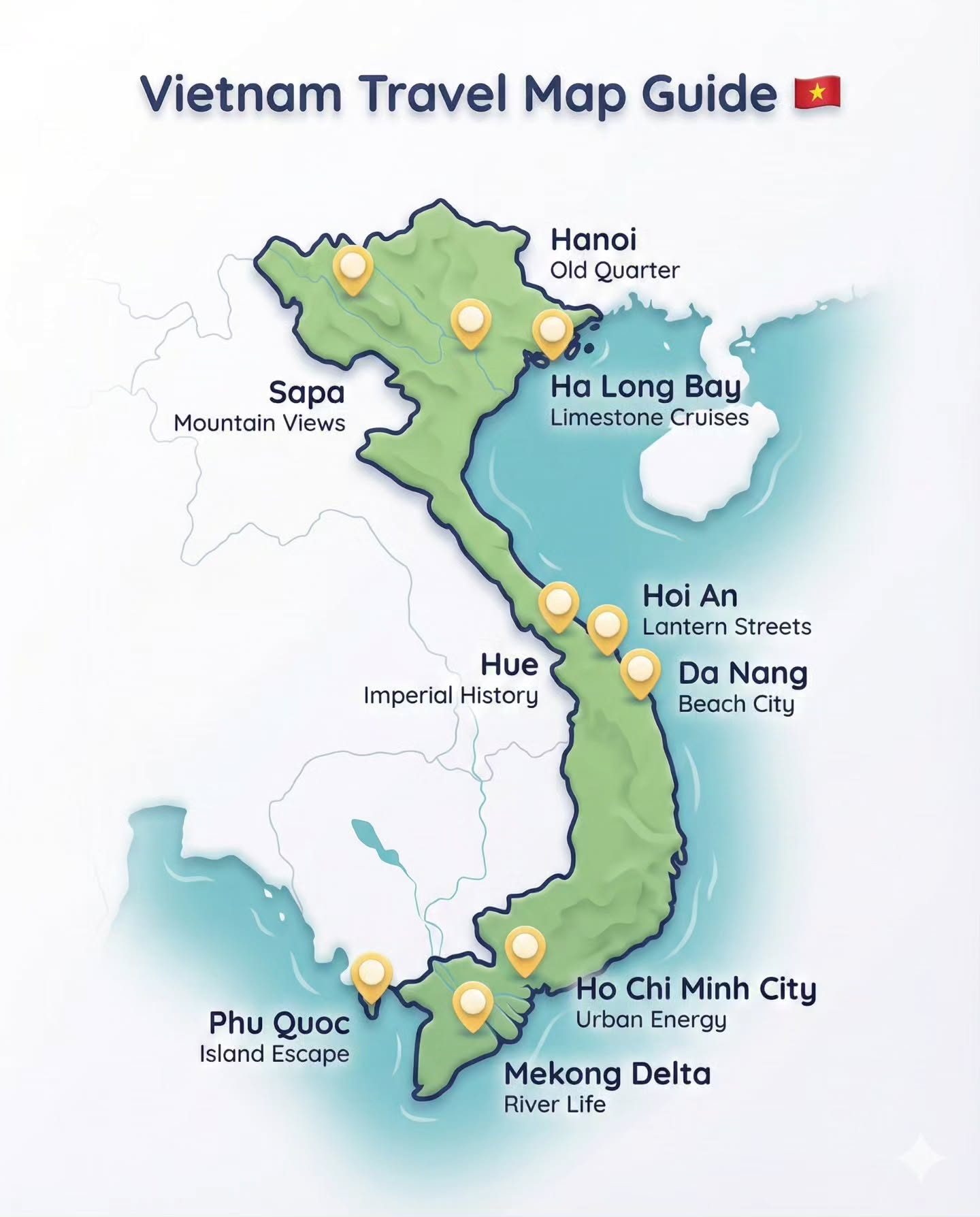
Vietnam Travel Guide
Vietnam, a country rich in culture and natural beauty, offers a diverse range of experiences for travelers. From the bustling streets of Hanoi to the serene beaches of Phu Quoc, there's something for everyone. This guide will provide a detailed overview of the key tourist destinations in Vietnam, helping you plan your next adventure.
Why This Matters
Vietnam attracts millions of visitors each year with its unique blend of tradition and modernity. Whether you're a history buff, an adventure seeker, or a beach lover, understanding the highlights of each destination can enhance your travel experience. This guide will give you a comprehensive look at what to expect in some of Vietnam's most popular cities and regions.
Main Discussion
Hanoi: The Heart of Vietnam
Starting in the north, Hanoi is the capital city and a must-visit destination. Known for its Old Quarter, a historic district filled with narrow streets, vibrant markets, and colonial architecture, Hanoi offers a glimpse into Vietnam's rich past. The Old Quarter is a labyrinth of shops, restaurants, and street vendors, making it an ideal place for souvenir shopping and trying local street food.
Sapa: Mountain Views and Cultural Immersion
Sapa, located in the northwestern part of Vietnam, is famous for its stunning mountain views and traditional hill tribe villages. The region is ideal for hiking and trekking, offering breathtaking landscapes and an opportunity to immerse yourself in the local culture. The indigenous tribes, such as the Hmong and Red Dzao, provide a unique cultural experience with their traditional clothing and customs.
Ha Long Bay: Limestone Cruises and Natural Wonders
Ha Long Bay, a UNESCO World Heritage site, is renowned for its emerald waters and thousands of towering limestone islands. Cruising through the bay on a traditional junk boat is a quintessential Vietnamese experience. The bay's landscapes are dotted with caves, grottoes, and floating villages, offering endless opportunities for exploration and photography.
Hoi An: Lantern Streets and Ancient Architecture
Hoi An, a coastal city in central Vietnam, is a UNESCO World Heritage site known for its well-preserved historic town. The city's iconic lantern-lit streets create a magical atmosphere, especially during the full moon festivals. The ancient town is filled with historical landmarks, including the Japanese Covered Bridge, the Assembly Hall of the Fujian Chinese Congregation, and the Phuc Kien Assembly Hall.
Da Nang: Beach City and Modern Attractions
Da Nang is a coastal city known for its beautiful beaches and modern attractions. My Khe Beach is one of the most famous, offering clear waters and a variety of water sports. The city is also home to the Marble Mountains, a cluster of five marble and limestone hills, each topped with a Buddhist pagoda. For a unique cultural experience, visit the Cham Museum, which houses a vast collection of Cham sculptures.
Hue: Imperial History and Cultural Heritage
Hue, the former imperial capital of Vietnam, is a city steeped in history. The Imperial City, a walled fortress and palace complex, is the city's main attraction. The complex includes the Purple Forbidden City, the emperor's private residence, and various palaces, temples, and gardens. The Perfume River, flowing through the city, adds to its serene and historic ambiance.
Phu Quoc: Island Escape and Relaxation
Phu Quoc, Vietnam's largest island, is a tropical paradise located in the Gulf of Thailand. With its pristine beaches, clear turquoise waters, and lush greenery, it's the perfect destination for a relaxing getaway. Phu Quoc also offers a variety of water sports, diving, and snorkeling opportunities, as well as a vibrant nightlife scene in its main town, Duong Dong.
Ho Chi Minh City: Urban Energy and Dynamic Culture
Ho Chi Minh City, formerly known as Saigon, is the largest city in Vietnam and a hub of economic activity. The city's urban energy is palpable, with its bustling streets, modern skyscrapers, and vibrant nightlife. Key attractions include the Reunification Palace, the War Remnants Museum, and the Notre-Dame Cathedral Basilica of Saigon. The city is also famous for its street food, particularly in the Ben Thanh Market.
Mekong Delta: River Life and Bountiful Nature
The Mekong Delta, in southern Vietnam, is a region of lush greenery, crisscrossed by a network of rivers and canals. Known as the "Rice Bowl of Vietnam," the delta is a major agricultural region. Visitors can explore the region on a boat tour, visiting floating markets, traditional villages, and fruit orchards. The delta's unique ecosystem and cultural heritage make it a must-visit destination.
Practical Tips
Best Time to Visit
The best time to visit Vietnam depends on the specific regions you plan to explore. Generally, the spring (February to April) and autumn (August to October) months offer pleasant weather conditions. However, Vietnam's diverse geography means that weather can vary significantly from north to south. The north is cooler and more comfortable during the spring, while the south is typically warm and humid year-round.
Getting Around
Vietnam offers a variety of transportation options, from budget-friendly buses to luxury flights. For short distances, motorbikes and taxis are convenient and economical. Long-distance travel can be done by train, bus, or plane, depending on your itinerary and budget. The country's train system is particularly efficient, offering scenic routes between major cities.
Local Cuisine
Vietnamese cuisine is renowned for its fresh ingredients, vibrant flavors, and diverse regional specialties. Popular dishes include pho (a fragrant noodle soup), banh mi (Vietnamese baguette sandwich), and spring rolls. Street food is a highlight, with markets and stalls offering delicious and affordable meals. Don't miss out on trying local specialties like bun cha (grilled pork and noodle bowl) in Hanoi or banh xeo (sizzling pancake) in the Mekong Delta.
Cultural Etiquette
When visiting Vietnam, it's important to respect local customs and traditions. Dress modestly when visiting temples and religious sites, and always ask for permission before taking photos of locals. The use of chopsticks and other dining etiquette can also vary, so it's helpful to familiarize yourself with basic customs to avoid any faux pas. Learning a few basic phrases in Vietnamese can also enhance your interactions with locals.
Important Takeaways
Vietnam's diverse landscapes, rich history, and vibrant culture make it a compelling destination for travelers. From the bustling streets of Hanoi to the tranquil beaches of Phu Quoc, each location offers unique experiences and attractions. Whether you're seeking adventure, relaxation, or cultural immersion, Vietnam has something to offer.
Conclusion
Whether you're planning a short getaway or an extended adventure, Vietnam's varied destinations provide an unforgettable travel experience. From the historical landmarks of Hue to the modern attractions of Ho Chi Minh City, each location offers a unique blend of culture, history, and natural beauty. By understanding the key tourist destinations and their highlights, you can plan a trip that truly captures the essence of this remarkable country.
Watch the Reel
Questions readers ask
What are the must-visit spots in Hanoi's Old Quarter?
Hanoi's Old Quarter is a labyrinth of narrow streets filled with historic architecture, vibrant markets, and traditional shops. Key spots include Dong Xuan Market for local goods, Hoan Kiem Lake for scenic walks, and the Temple of Literature, dedicated to Confucius, for a glimpse into Vietnam's scholarly past. Don't miss the chance to try local street food like pho and bun cha.
How can a Vietnam travel map help plan my trip?
A Vietnam travel map is essential for visualizing the country's diverse landscapes and culturally significant sites. It helps in identifying key destinations, planning routes, and understanding the proximity of various attractions. This tool is particularly useful for travelers who want to optimize their time and ensure they cover all must-see spots, from the bustling streets of Hanoi to the serene beaches of Phu Quoc.
What makes Sapa a unique destination in Vietnam?
Sapa is renowned for its breathtaking mountain views and rich cultural experiences. The region is home to various ethnic minority groups, offering insights into traditional lifestyles and customs. Trekking through terraced rice fields, visiting local villages, and enjoying panoramic vistas from Fansipan Mountain are some of the highlights that make Sapa a standout destination.
What are some of the top Vietnam travel spots for beach lovers?
Vietnam boasts a variety of stunning beach destinations. Phu Quoc, known for its pristine white sands and crystal-clear waters, is a top pick. Nha Trang offers a mix of beautiful beaches and vibrant nightlife, while Hoi An's An Bang Beach provides a more laid-back atmosphere with scenic views. For a unique experience, explore the picturesque Nang Island, accessible by boat from Nha Trang.
How can I best experience the cultural immersion in Vietnam?
To immerse yourself in Vietnam's rich culture, engage with locals through homestays and cultural tours. Visit traditional markets, attend local festivals, and participate in cooking classes to learn about Vietnamese cuisine. Exploring historic sites like the Temple of Literature in Hanoi and the Imperial City in Hue will provide deeper insights into the country's history and heritage.
Related deep dives
Similar reads based on topic and creator.




Recent articles
Fresh deep dives from the latest Reels we unpacked.




Comments
Be the first to comment.