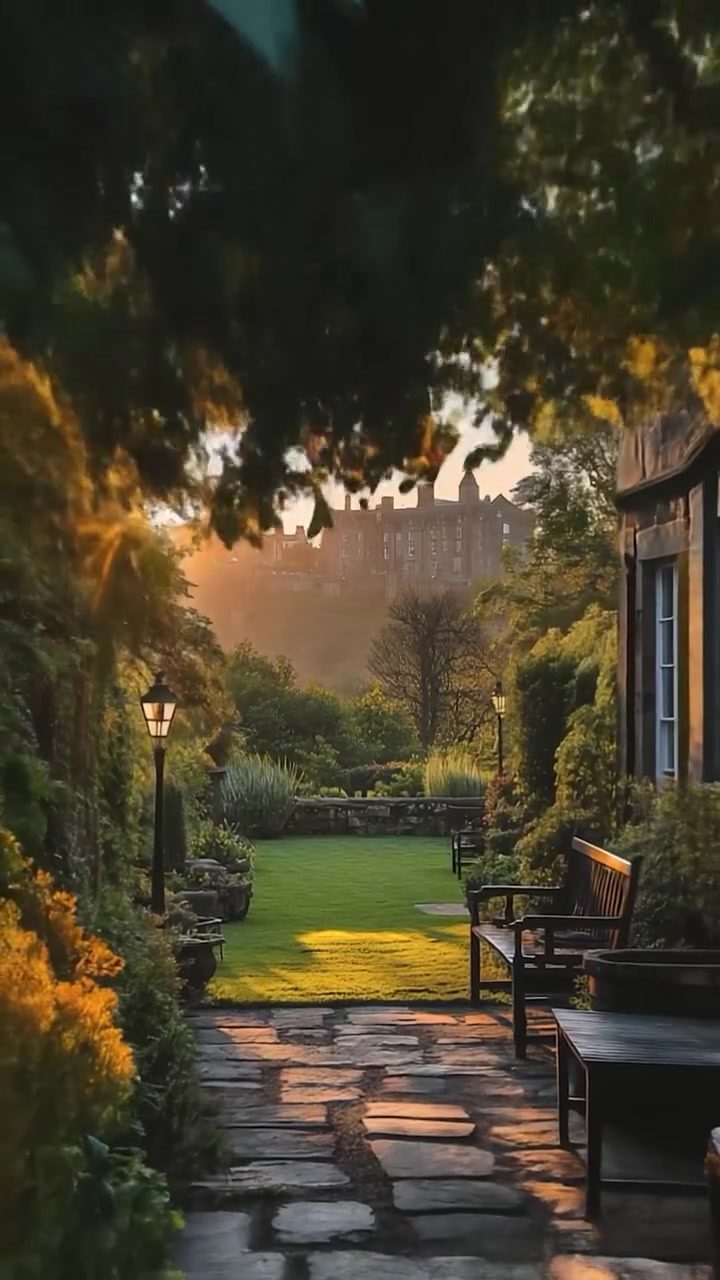
Historic Estate Tour
Historic estates offer a glimpse into the past, showcasing architectural marvels and exquisite landscapes that have stood the test of time. These grand properties, often steeped in history and elegance, provide a unique opportunity to explore the opulence and craftsmanship of bygone eras. From sprawling gardens to ornate interiors, each element of a historic estate tells a story of its own.
Why This Matters
Visiting or touring historic estates is more than just a leisurely activity; it's an immersive experience that connects us with our cultural heritage. These estates serve as living museums, preserving the architectural styles, interior designs, and landscaping techniques of different periods. Whether it's the grandeur of a Baroque mansion or the intricacy of a Victorian manor, each estate offers a distinct narrative that enriches our understanding of history.
Main Discussion
Architectural Marvels
Historic estates are often characterized by their stunning architecture, which reflects the artistic and engineering prowess of the time. Grand staircases, ornate balconies, and elaborate facades are common features that add to the estate's charm. These structures are not just visually appealing but also serve functional purposes, such as providing a sense of grandeur and hospitality.
Grand Gardens
The gardens of historic estates are meticulously designed to complement the architecture and enhance the overall aesthetic appeal. These green spaces often feature a mix of formal and informal landscaping, with neatly trimmed hedges, flower beds, and tree-lined pathways. The gardens may also include water features like fountains or ponds, adding a serene element to the landscape. In some cases, the gardens offer panoramic views of the cityscape, creating a perfect blend of nature and urban scenery.
Interior Spaces
Stepping inside a historic estate reveals a world of opulence and sophistication. The interiors are often adorned with intricate detailing, such as decorative moldings, carved woodwork, and ornate staircases. Rooms like libraries, filled with volumes of books, evoke a sense of intellectual curiosity and scholarly pursuits. The furniture, artwork, and decorative elements within these estates provide a glimpse into the lifestyle and tastes of the era.
Scenic Views
Historic estates are strategically located to offer breathtaking views of their surroundings. Whether it's a balcony overlooking a sunset or a terrace with a cityscape backdrop, these vantage points add to the estate's allure. The juxtaposition of natural beauty and architectural grandeur creates a harmonious blend that is both visually stunning and emotionally evocative.
Practical Tips
Planning Your Visit
Before visiting a historic estate, it's essential to plan your trip thoroughly. Check the estate's website or contact the management for information on opening hours, ticket prices, and any special events or tours. Some estates may require advanced booking, especially for guided tours or group visits.
What to Bring
When visiting a historic estate, consider bringing a camera to capture the stunning architecture and landscapes. Comfortable walking shoes are also a must, as you'll likely be exploring extensive grounds. Additionally, a notepad and pen can be useful for jotting down interesting facts or personal observations.
Etiquette and Respect
Historic estates are not just tourist attractions; they are also heritage sites that need to be preserved. Follow the estate's rules and guidelines, such as staying on designated paths and not touching any artifacts or decorations. Respect the property and its history by being mindful of your surroundings and other visitors.
Important Takeaways
Historic estates offer a unique blend of architectural beauty, natural charm, and cultural significance. They provide an opportunity to connect with history, appreciate art and design, and enjoy serene environments. Whether you're a history enthusiast, an architecture buff, or simply looking for a peaceful escape, visiting a historic estate is an enriching experience.
Conclusion
Historic estates are living testaments to the grandeur and craftsmanship of the past. Exploring these properties allows us to appreciate the beauty of architecture, the intricacy of interior design, and the serenity of meticulously designed gardens. By understanding and preserving these historical landmarks, we ensure that future generations can experience the richness and depth of our cultural heritage.
Watch the Reel
Questions readers ask
What are some key architectural features to look for during a historic estate tour?
During a historic estate tour, pay attention to the estate's exterior design, such as the style of the grand staircase and the overall layout. Notice the specific architectural styles, like Baroque or Victorian, which can be identified through distinctive elements such as arches, columns, and ornate details. Additionally, observe how the architecture harmonizes with the surrounding landscape, creating a cohesive and timeless aesthetic.
How can historic estate gardens enhance the overall experience?
Historic estate gardens offer a serene and visually stunning complement to the main building. These gardens often feature meticulously designed landscapes with a mix of native and exotic plants, reflecting the horticultural trends of their respective eras. Exploring these gardens can provide insights into historical landscaping techniques and offer a tranquil setting to enjoy the estate's natural beauty.
What makes the interior design of historic estates so captivating?
The interior design of historic estates is captivating due to its unique blend of craftsmanship and historical context. Ornate details, such as intricate moldings, handcrafted furniture, and elaborate decor, are hallmarks of these spaces. Additionally, features like grand libraries with extensive book collections and lavishly decorated rooms provide a rich backdrop for understanding the lifestyle and tastes of past inhabitants.
How do historic estate tours connect us with our cultural heritage?
Historic estate tours serve as a direct link to our cultural heritage by preserving and showcasing the architectural styles, interior designs, and landscaping techniques of different periods. These tours allow visitors to step back in time and experience the opulence and craftsmanship of bygone eras, fostering an appreciation for the artistry and ingenuity of past generations.
What are some tips for capturing the best shots during a historic estate tour?
To capture the best shots during a historic estate tour, focus on the architectural details, such as the grand staircase frames and estate staircase views. Look for unique angles, such as estate book collection or historic library views, and capture the estate exterior along with the surrounding cityscape. Additionally, take advantage of the natural light and use a wide-angle lens to capture the grandeur of the estate.
What are some popular themes explored in historic estate series?
Historic estate series often explore themes such as the evolution of grand estate architecture, the intricate designs of historic garden estates, and the opulence of lavish estate views. These series may also delve into the unique interior design of historic estates, showcasing features like historic library estates, estate book collections, and historic estate shots.
Related deep dives
Similar reads based on topic and creator.




Recent articles
Fresh deep dives from the latest Reels we unpacked.




Comments
Be the first to comment.