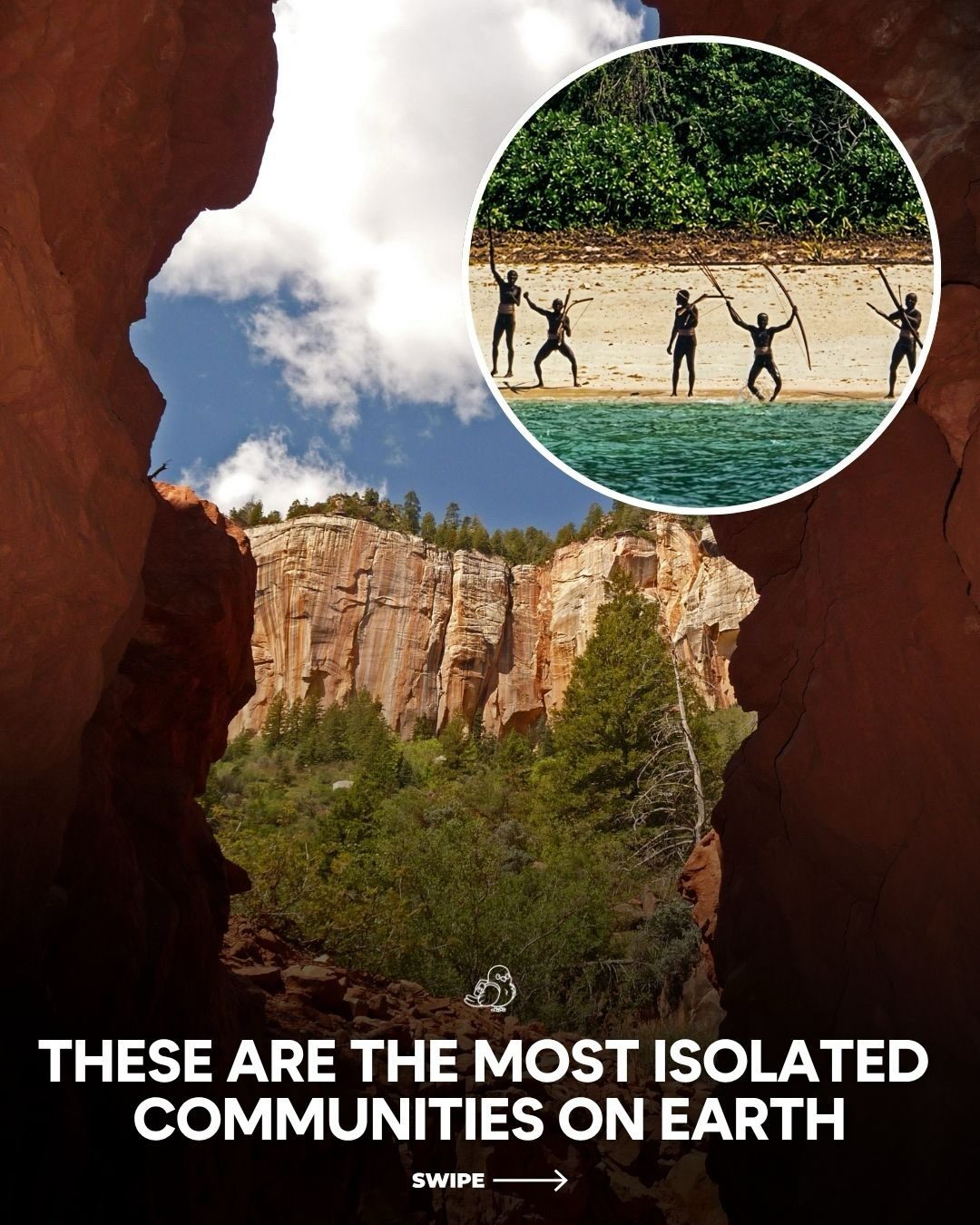
Isolated Communities Around the World
From remote islands in the South Pacific to isolated Arctic settlements, some of the most secluded communities on Earth are tucked away in the most unexpected places. These communities live thousands of kilometers from the nearest major city, surrounded by vast oceans, mountains, ice, and wilderness.
Why this matters
Understanding these isolated communities offers a unique perspective on human resilience and adaptability. It also provides insight into the diverse ways people live and thrive in some of the world's most challenging environments.
The Most Isolated Communities
La Rinconada, Peru
Nestled high in the Andes mountains, La Rinconada, Peru, is a remote mining town situated at an elevation of roughly 5,100 meters. This makes it one of the highest settlements in the world. The town's remote location and high altitude create a challenging environment for its residents. The primary economic activity in La Rinconada is gold mining, which attracts people from all over Peru and even from neighboring countries. The harsh conditions, including extreme cold and thin air, require residents to adapt their lifestyles to survive.
Palmerston Island, Cook Islands
Palmerston Island, part of the Cook Islands, is a tiny, remote atoll in the South Pacific. The island's unique feature is its small community, which is largely descended from one 19th-century settler. This isolation has led to a strong sense of community and a unique culture. The island's remoteness also means that visitors are rare, and the local population has developed a self-sufficient way of life. The residents rely on fishing, farming, and copra production for their livelihoods.
Tristan da Cunha, South Atlantic
Tristan da Cunha, located in the South Atlantic, is home to just a few dozen people. This remote archipelago is so isolated that it has no airport and is accessible only by sea. The journey to Tristan da Cunha typically involves a six-day boat trip from South Africa. The isolation has preserved the island's unique ecosystem and cultural heritage. The islanders are known for their strong community bonds and a way of life that is deeply connected to the sea.
Life in Isolation
Life in these isolated communities is markedly different from that in more urban or connected areas. The challenges of isolation are immense, but so are the benefits. For instance, the lack of external influences has allowed these communities to preserve their unique cultural traditions and ways of life. Additionally, the closeness of the community fosters a strong sense of support and mutual aid.
Economic Challenges and Adaptations
Economic activities in these communities are often limited by their remoteness. For example, in La Rinconada, the primary economic activity is gold mining, which is both hazardous and lucrative. In contrast, Palmerston Island relies on subsistence farming and fishing. Tristan da Cunha, with its limited population, has a more diversified economy, including fishing, farming, and tourism.
Social and Cultural Dynamics
The social fabric of these communities is tightly woven, with strong bonds between residents. This is a necessity in such isolated environments, where support from external sources is minimal. The sense of belonging and mutual reliance is a hallmark of these communities. However, the close-knit nature can also have its downsides, such as limited opportunities for individual growth and potential for social tensions.
Environmental Adaptations
The environmental conditions in these locations are often extreme, requiring significant adaptations. For instance, the high altitude of La Rinconada necessitates acclimatization and special medical considerations. In contrast, the tropical climate of Palmerston Island and the harsh, windy conditions of Tristan da Cunha require different sets of adaptations. These environmental challenges have shaped the lifestyle and infrastructure of these communities, making them uniquely suited to their surroundings.
Practical Tips for Visitors
Visiting these isolated communities can be an enriching experience, offering a glimpse into a world far removed from modern life. However, it requires careful planning and respect for the local culture and environment. Here are some practical tips for those considering a visit:
Prepare for Remoteness
These communities are often far from medical facilities and other amenities. Ensure you have all necessary medical supplies, appropriate clothing, and food. It's also wise to have a plan for emergencies, including evacuation if necessary.
Respect the Environment
These locations are often ecologically fragile. Practice Leave No Trace principles, and be mindful of your impact on the local flora and fauna. This includes disposing of waste properly and minimizing disturbance to wildlife.
Engage with the Community
Respect the local culture and traditions. Engage with the community respectfully, and be open to learning about their way of life. Participate in community activities if invited and show genuine interest in their customs and stories.
Be Patient and Flexible
Travel to these locations can be unpredictable. Be prepared for delays and changes in plans. Flexibility and patience are key to enjoying the experience without added stress.
Important Takeaways
Isolated communities around the world offer a unique perspective on human resilience and adaptability. From the high-altitude mining town of La Rinconada to the remote atolls of Palmerston Island and the sea-accessible Tristan da Cunha, each of these places has its own unique story to tell. Understanding these communities provides a deeper appreciation of the diverse ways people live and thrive in challenging environments. It also highlights the importance of preserving cultural heritage and environmental sustainability in the face of modern challenges.
Conclusion
The most isolated communities on Earth are a testament to human adaptability and resilience. From the remote mining town of La Rinconada to the tiny atoll of Palmerston Island and the isolated Tristan da Cunha, these places offer a unique glimpse into a world far removed from modern life. Visiting these communities can be a transformative experience, but it requires careful planning and a deep respect for the local culture and environment. Understanding these isolated communities enriches our appreciation of the diverse ways people live and thrive, even in the most challenging conditions.
Watch the Reel
Questions readers ask
What is the highest remote community on Earth?
The highest remote community is La Rinconada, Peru, which sits at an elevation of approximately 5,100 meters. This makes it one of the most remote and challenging places to live.
How do people live in the most isolated communities?
People in the most isolated communities, such as those in the South Pacific or Arctic settlements, adapt to their surroundings by developing unique lifestyles. This often includes relying on their own resources, building strong community bonds, and leveraging available technology.
What are some examples of remote island settlements?
Some examples of remote island settlements include those found in the South Pacific. These islands are characterized by their isolation, with communities living thousands of kilometers from the nearest major city.
How do remote lifestyles differ from those in urban areas?
Remote lifestyles often differ significantly from urban areas due to the need for self-sufficiency and resilience. Communities in isolated areas must adapt to challenging environments, often relying on their own resources and developing strong community bonds.
Why is it important to study isolated communities?
Studying isolated communities provides valuable insights into human resilience and adaptability. By examining these communities, we gain a better understanding of how people can thrive in some of the world's most challenging environments, offering unique perspectives on various ways of life.
Related deep dives
Similar reads based on topic and creator.




Recent articles
Fresh deep dives from the latest Reels we unpacked.



Comments
Be the first to comment.