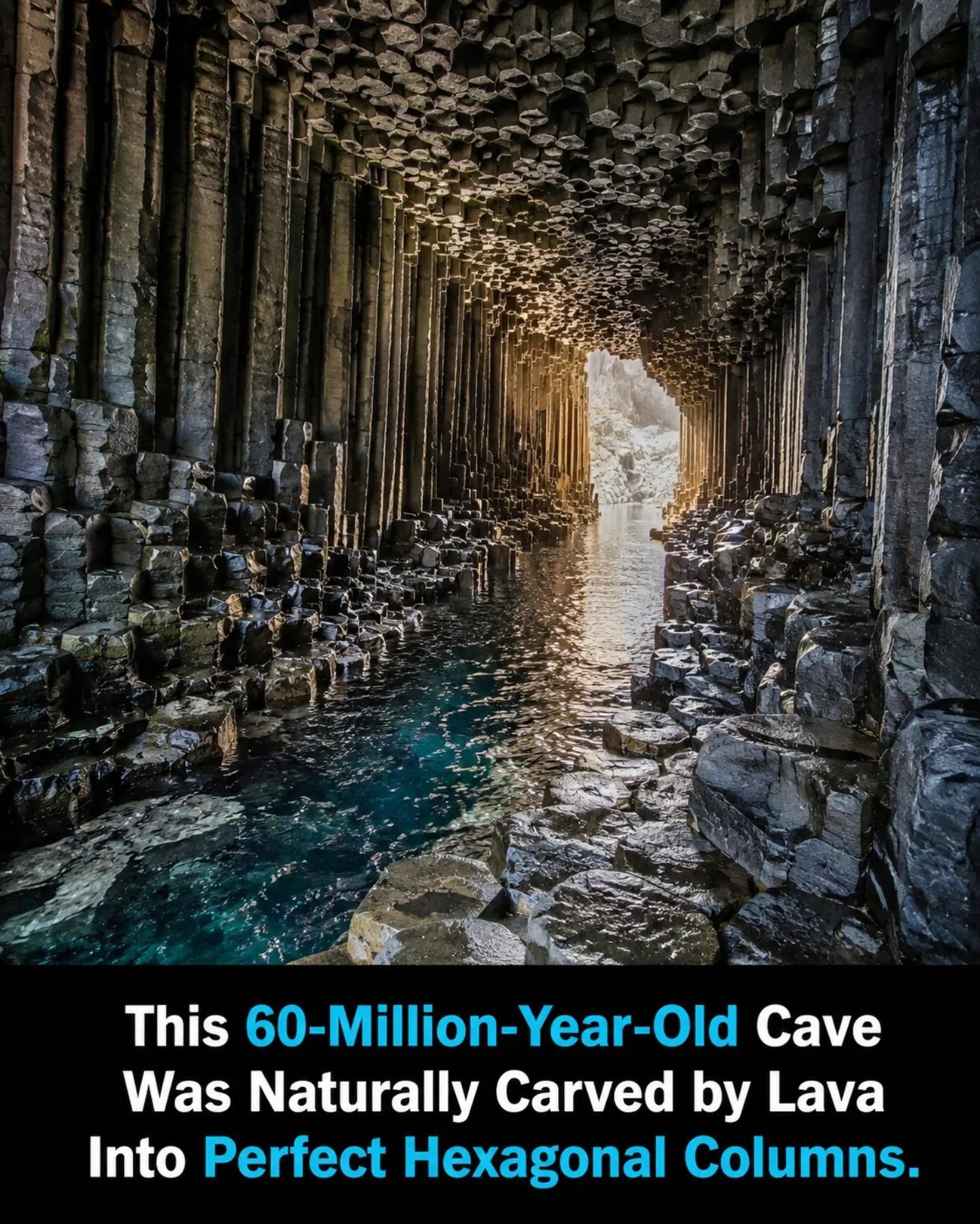
The Giant's Causeway: A Natural Marvel in Northern Ireland
The Giant's Causeway in Northern Ireland is a geological wonder that has captivated visitors for centuries. This unique formation is characterized by its stunning hexagonal basalt columns, which stretch out along a rugged coastline, creating a mesmerizing natural landscape. The causeway is approximately 60 million years old, formed by ancient lava flows that naturally carved the rock into perfect hexagonal shapes.
Why This Matters
The Giant's Causeway is more than just a scenic destination; it holds significant geological and cultural value. The unique formation provides insights into the Earth's volcanic past and serves as a testament to the power of natural forces. Additionally, the site is steeped in folklore and legend, adding a layer of mystery and intrigue that draws visitors from around the world.
Geological Significance
The hexagonal columns of the Giant's Causeway are a marvel of natural geometry. Formed by rapid cooling of lava, the columns are a striking example of how natural processes can create intricate and beautiful patterns. The basalt columns are a result of volcanic activity that occurred millions of years ago, when molten rock flowed into the sea and quickly cooled, forming the distinctive columns. This process, known as columnar jointing, is a rare and fascinating phenomenon that can be observed in only a few places around the world.
Cultural and Historical Importance
Beyond its geological significance, the Giant's Causeway is also a site of cultural and historical importance. It has been the subject of many legends and myths, including the tale of the Irish giant Fionn mac Cumhaill, who is said to have built the causeway as a pathway to Scotland. This myth adds a layer of enchantment to the already breathtaking landscape, making it a must-visit destination for those interested in both natural wonders and cultural heritage.
Exploring the Giant's Causeway
Visiting the Giant's Causeway is an experience that combines natural beauty with a sense of awe and wonder. The site offers a variety of trails and viewpoints that allow visitors to explore the unique landscape at their own pace. Here are some key points of interest:
The Grand Causeway
The Grand Causeway is the most iconic and photographed section of the site. Here, the hexagonal columns stretch out in a vast, interconnected network, creating a stunning visual display. The columns vary in height and can reach up to 12 meters in some areas, providing a dramatic backdrop for photos and a sense of the immense scale of the formation.
The Organ Pipes
The Organ Pipes are another notable feature of the Giant's Causeway. These vertical columns are named for their resemblance to the pipes of an organ, and they offer a unique perspective on the formation's intricate structure. The Organ Pipes are a favorite spot for photographers and are particularly striking when viewed from above.
The Camel's Hump
The Camel's Hump is a large, rounded rock formation that juts out from the cliff face, resembling the hump of a camel. This feature provides a fantastic vantage point for viewing the surrounding landscape and is a popular spot for hikers and climbers.
Practical Tips for Visiting
A visit to the Giant's Causeway can be an unforgettable experience, but planning ahead can help ensure a smooth and enjoyable trip. Here are some practical tips to consider:
Best Time to Visit
The Giant's Causeway can be visited year-round, but the best time to go depends on your preferences. The summer months (June to August) offer the warmest weather and the longest daylight hours, making it ideal for outdoor activities. However, this is also the peak tourist season, so expect larger crowds. For a quieter experience, consider visiting in the spring or fall, when the weather is still pleasant, and the crowds are smaller.
Getting There
The Giant's Causeway is located on the northeastern coast of Northern Ireland, near the town of Bushmills. The site is easily accessible by car, and there is ample parking available. Additionally, there are regular bus tours from major cities in Northern Ireland, such as Belfast and Derry, making it convenient for those without their own transportation.
What to Bring
Comfortable walking shoes are a must, as the terrain can be uneven and rocky. Dress in layers, as the weather can change rapidly, and it can be breezy near the coast. Don't forget to bring a camera to capture the stunning views, and consider bringing a waterproof jacket in case of rain.
Important Takeaways
The Giant's Causeway is a natural marvel that offers a unique blend of geological wonder, cultural significance, and breathtaking beauty. Whether you're a geology enthusiast, a history buff, or simply someone who appreciates the beauty of the natural world, a visit to the Giant's Causeway is an experience you won't soon forget.
The site's distinctive hexagonal columns, formed by ancient lava flows, provide a fascinating glimpse into the Earth's volcanic past. The myths and legends surrounding the causeway add a layer of intrigue, making it a destination that appeals to a wide range of interests.
Conclusion
The Giant's Causeway stands as a testament to the power and beauty of natural forces. Its unique hexagonal columns and rich cultural heritage make it a must-visit destination for travelers from around the world. Whether you're exploring the Grand Causeway, marveling at the Organ Pipes, or hiking to the Camel's Hump, the Giant's Causeway offers an unforgettable experience that combines natural wonder with a sense of awe and mystery. So, if you ever find yourself in Northern Ireland, be sure to add the Giant's Causeway to your itinerary and immerse yourself in the magic of this extraordinary geological marvel.
Watch the Reel
Questions readers ask
How were the hexagonal basalt columns at the Giant's Causeway formed?
The hexagonal basalt columns at the Giant's Causeway were formed around 60 million years ago during a period of intense volcanic activity. As lava flowed and cooled rapidly, it contracted and fractured into the distinctive hexagonal shapes that we see today.
What makes the Giant's Causeway a unique destination in Northern Ireland?
The Giant's Causeway stands out due to its remarkable natural rock formations, featuring thousands of perfectly shaped hexagonal basalt columns. This geological wonder offers visitors a unique landscape to explore, with stunning coastal views and a rich history tied to ancient volcanoes and folklore.
Are there other notable geological features near the Giant's Causeway?
Yes, in addition to the hexagonal basalt columns, the area around the Giant's Causeway includes other fascinating geological features. Visitors can explore ancient caves and enjoy the rugged volcanic landscape, which adds to the overall experience of the site.
What is the best way to view the Giant's Causeway?
To fully appreciate the Giant's Causeway, consider taking a guided tour or exploring the site on your own. There are several walking trails that provide different perspectives of the basalt columns and the coastline. For the best views, visit during low tide, when more of the causeway is exposed.
Is the Giant's Causeway associated with any legends or stories?
Yes, the Giant's Causeway is steeped in folklore. One of the most famous legends involves a giant named Fionn mac Cumhaill, who is said to have built the causeway as a bridge to Scotland to fight another giant. This tale adds a mystical layer to the natural beauty of the site, making it a popular destination for both history and nature enthusiasts.
Related deep dives
Similar reads based on topic and creator.




Recent articles
Fresh deep dives from the latest Reels we unpacked.




Comments
Be the first to comment.