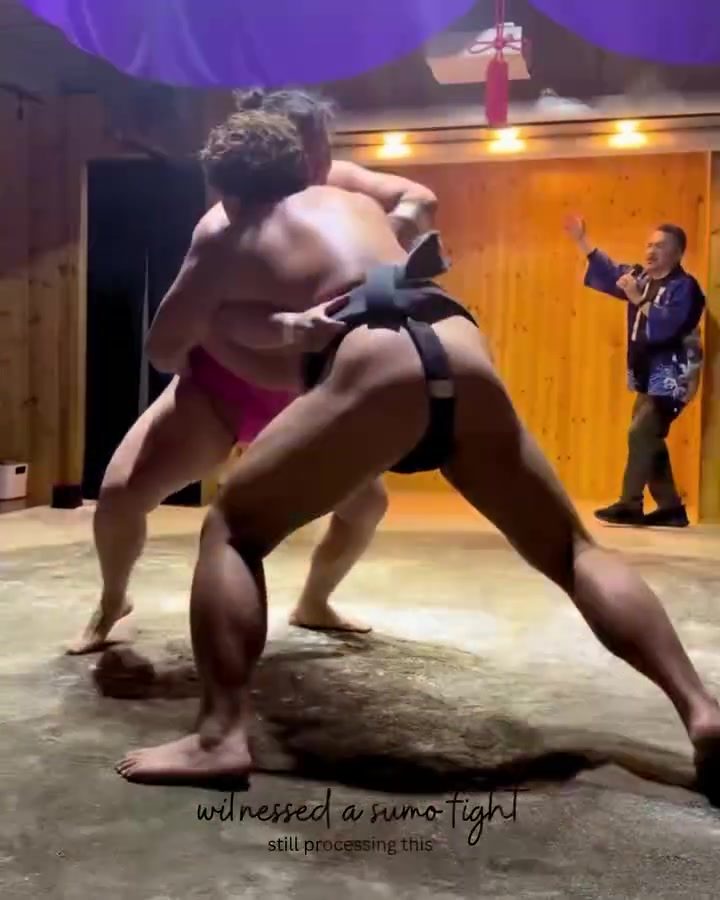
Sumo Wrestling in Tokyo: A Traditional Japanese Sport
Sumo wrestling is more than just a sport; it's a cultural experience that combines tradition, strength, and strategy. Witnessing a sumo match in Tokyo is an unforgettable experience, and this article explores the thrill and significance of this ancient practice.
Sumo wrestling matches, or "bouts," take place in a traditional Japanese arena known as a dohyo. This circular ring is made of clay and covered with a layer of rice straw bales, creating a unique and sacred space for the wrestlers to compete. The wrestlers, known as rikishi, wear traditional sumo attire, including a mawashi—a thick silk belt that they grasp to gain leverage during the match. The goal is to force the opponent out of the ring or make them touch the ground with any body part other than their feet.
Sumo wrestling is a physically demanding sport that requires a combination of strength, balance, and technique. The wrestlers strive to maintain a low center of gravity and use their momentum and weight to their advantage. The bouts are typically short, lasting only a few seconds to a couple of minutes, and the outcome is often determined by a single decisive move.
Why Tokyo?
Tokyo, the bustling capital of Japan, is the perfect backdrop for experiencing the drama and excitement of sumo wrestling. The city is home to several sumo tournaments throughout the year, each attracting enthusiasts and spectators from around the world. The most prestigious tournaments are held at the Ryogoku Kokugikan, a dedicated sumo venue that can seat over 11,000 spectators.
Sumo wrestling matches in Tokyo are more than just sporting events. They are cultural spectacles that offer a glimpse into Japan's rich history and traditions. The pre-match rituals, including the purification of the ring and the ceremonial entrance of the wrestlers, add a layer of ceremony and respect to the event. The chants, drums, and the collective energy of the audience create an atmosphere that is both intense and awe-inspiring.
Main Discussion
The Art of Sumo
Sumo wrestling is not just about brute force; it is an art form that requires technique, strategy, and precision. Wrestlers spend countless hours training and honing their skills to master the nuances of the sport. From the initial stance to the final push, every move is calculated and executed with precision. The different styles, known as kimarite, range from throws and trips to grappling and pushing, each requiring a unique set of skills and techniques.
The Sumo Hierarchy
Sumo wrestling has a well-defined hierarchy, with wrestlers ranked in six divisions based on their performance and strength. The highest rank is the Makuuchi, which includes the top two divisions—the Makuuchi and the Juryo. Wrestlers in these divisions are considered elite and are expected to maintain a high level of performance to retain their rank. Below the Makuuchi are the lower divisions, each with its own set of expectations and challenges.
The Significance of Sumo
Sumo wrestling has deep cultural and historical significance in Japan. Originating from ancient Shinto rituals, sumo is believed to have divine origins and is often performed to honor the gods. The sport has evolved over centuries, blending tradition with modern practices, but its core values of respect, discipline, and honor remain unchanged. Sumo wrestlers are revered as champions of strength and courage, embodying the spirit of the Japanese warrior.
Practical Tips for Attending a Sumo Wrestling Match
Attending a sumo match in Tokyo is an experience that requires some preparation. Here are some practical tips to make the most of your visit:
1. Book Tickets in Advance
Sumo tournaments in Tokyo are popular and can sell out quickly. It's essential to book your tickets in advance to secure a good seat. You can purchase tickets online through the Japan Sumo Association or at the venue's ticket office.
2. Arrive Early
Arriving early allows you to take in the pre-match rituals, including the purification of the ring and the ceremonial entrance of the wrestlers. This adds a layer of cultural depth to your experience and gives you a chance to observe the traditions and customs surrounding sumo.
3. Dress Appropriately
Sumo matches are formal events, and dressing appropriately shows respect for the tradition and the wrestlers. Wear modest, respectful clothing, and avoid wearing sandals or revealing attire.
4. Learn the Rules
Understanding the basic rules and etiquette of sumo wrestling can enhance your enjoyment of the match. Familiarize yourself with the different techniques and moves, as well as the ranking system and the significance of the rituals.
5. Engage with the Culture
Sumo wrestling is more than just a sport; it's a cultural experience. Engage with the traditions and customs, such as the throwing of salt (purification) and the clapping and chanting of the audience. This can provide a deeper understanding and appreciation of the sport.
6. Try Sumo Food
Tokyo offers a variety of sumo-themed food, including chankonabe—a hearty stew traditionally eaten by sumo wrestlers to gain weight and strength. Try some local sumo dishes to get a taste of the culinary traditions associated with the sport.
7. Visit a Sumo Stable
Sumo wrestlers often live and train in communal stables, known as beya. Visiting a stable gives you a behind-the-scenes look at the daily lives and training regimens of sumo wrestlers. You can watch them practice, eat, and interact with each other, providing a unique insight into their world.
Important Takeaways
Witnessing a sumo wrestling match in Tokyo is a once-in-a-lifetime experience. It offers a unique blend of tradition, culture, and sport, making it a must-see for anyone visiting Japan. The combination of physical prowess, strategic moves, and deep cultural significance makes sumo wrestling a captivating and awe-inspiring experience. Whether you're a sports enthusiast or a cultural explorer, attending a sumo match in Tokyo is an unforgettable journey into the heart of Japanese tradition.
Conclusion
Sumo wrestling is more than just a sport; it's a living embodiment of Japan's rich cultural heritage. From the grandeur of the Ryogoku Kokugikan to the intricate rituals and traditions, every aspect of sumo wrestling is steeped in history and meaning. While the sport remains deeply rooted in tradition, it continues to evolve and captivate audiences worldwide, offering a unique glimpse into the world of sumo. Whether you're a seasoned fan or a first-time spectator, experiencing a sumo match in Tokyo is an unparalleled journey into the heart of Japan.
Watch the Reel
Questions readers ask
What are the key rules of a sumo wrestling match?
The primary goal in a sumo match is for one wrestler to either push the other out of the circular ring (dohyo) or force them to touch the ground with any part of their body other than their feet. Wrestlers can use various tactics, including grappling, shoving, and even throwing their opponent, but striking or punching is not allowed.
What should I expect from the atmosphere during a sumo match in Tokyo?
The atmosphere during a sumo match in Tokyo is electrifying and reverent. Spectators can expect to witness a blend of ancient Japanese traditions. Expect loud cheers and enthusiastic fans, along with moments of silence and respect for the rituals performed by the wrestlers.
What is the significance of the sumo arena (dohyo)?
The sumo arena, or dohyo, is a sacred space where the matches take place. It is made of clay and covered with a layer of rice straw bales, representing the pureness and sacredness of the wrestling bout. Each dohyo is meticulously prepared before a match to ensure the sanctity of the sport.
When and where can I watch a sumo wrestling match in Tokyo?
Sumo tournaments in Tokyo are held three times a year at the Ryogoku Kokugikan, a modern arena located in the Ryogoku district. The tournaments usually take place in January, May, and September, each lasting for 15 days. Check the official schedule to plan your visit.
What is the role of the mawashi in a sumo wrestling match?
The mawashi is a thick silk belt worn by sumo wrestlers around their waist and between their legs. It is a crucial part of a sumo wrestler's attire. Wrestlers grasp the mawashi to gain leverage and control over their opponent during the match, allowing them to push, pull, or throw their opponent effectively.
What are some of the key sumo wrestling tactics?
Sumo wrestling tactics vary widely and can include techniques like pushing (oshi-sum), grappling (yori), and lifting and throwing (nage). Wrestlers often use a combination of these strategies to outmaneuver their opponents, making each match a unique display of strength and strategy.
Can I interact with the sumo wrestlers during or after the match?
Generally, spectators are not permitted to interact with the wrestlers during the match or directly afterward. However, some venues may offer opportunities for fans to meet the wrestlers or attend special events where interaction is possible. Check with the venue for any such events or experiences.
Related deep dives
Similar reads based on topic and creator.




Recent articles
Fresh deep dives from the latest Reels we unpacked.




Comments
Be the first to comment.