Exercise and Longevity: Why Fitness is the Strongest Drug
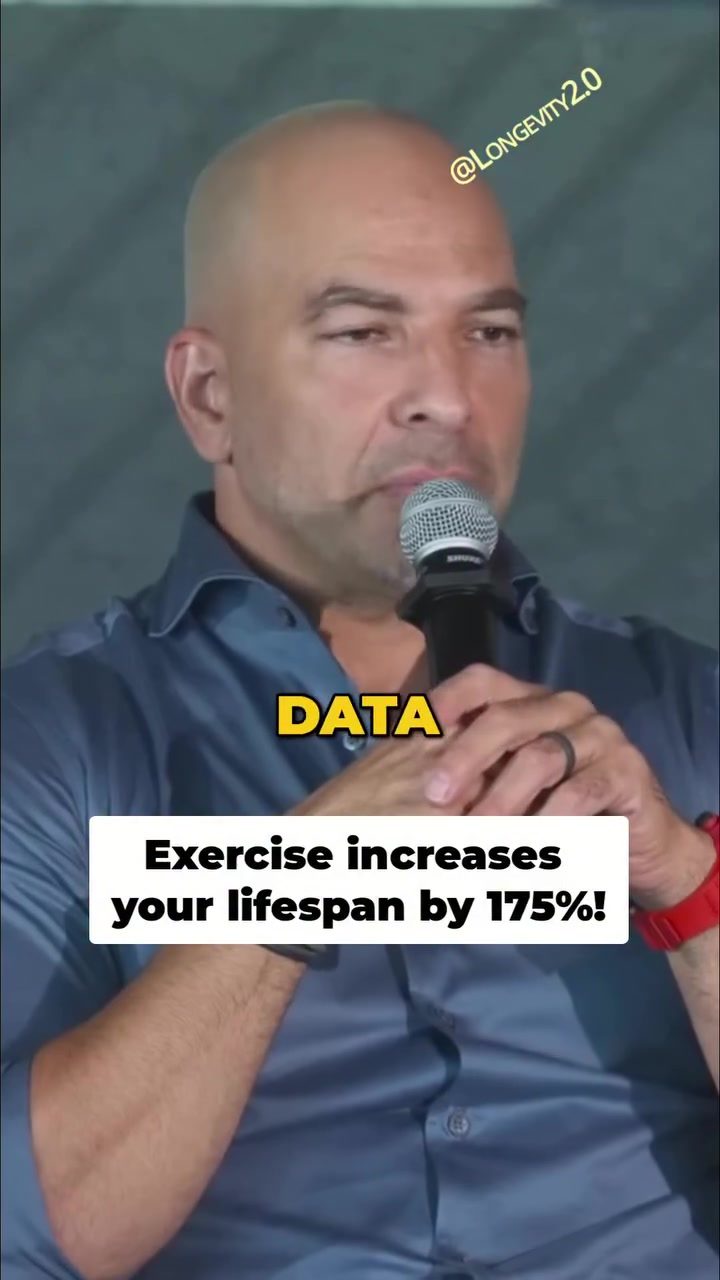
LONGEVITY2.0 believes that exercise is the most powerful tool for extending lifespan and maintaining quality of life. This assertion is backed by substantial data, particularly the findings of Dr. Peter Attia. Fitness stands out as the metric with the most significant impact on both lifespan and healthspan.
Context / Why this matters
Exercise is not just about looking good or feeling strong. It's about adding years to your life and life to your years. The data underscores that exercise is a potent longevity promoter, surpassing other health metrics in its impact. This is why understanding the relationship between exercise and longevity is crucial for anyone looking to maximize their well-being and extend their healthy lifespan.
Main discussion
The Impact of Type 2 Diabetes
First, let's consider what happens when a person is in an "off" state for nutrition. This typically results in significant obesity or type 2 diabetes. The increase in all-cause mortality for a person with type 2 diabetes is approximately 40%. This means that, at any given point in time, a person with type 2 diabetes has a 40% higher risk of dying from any cause compared to a non-diabetic person of the same age, sex, education, and smoking status. This is a stark reminder of the serious health implications of poor metabolic health.
Exercise: More Than Just Weight Loss
Now, let's shift our focus to exercise. Cardiorespiratory fitness, measured by VO2 max, is a key indicator of overall health and longevity. VO2 max is the maximum rate of oxygen consumption during incremental exercise, and it's a strong predictor of cardiovascular health and mortality risk. When researchers compare the lowest fitness group to the highest fitness group, the difference in all-cause mortality is a staggering 175%. This means that individuals in the top quartile of VO2 max have a significantly lower risk of dying from any cause compared to those in the bottom quartile.
The Multi-Faceted Benefits of Exercise
So, why does exercise have such a profound impact on longevity? The benefits are wide-ranging:
- Insulin Sensitivity: Regular exercise improves the body's ability to respond to insulin, reducing the risk of type 2 diabetes and metabolic syndrome.
- Cardiovascular Function: Exercise strengthens the heart and improves circulation, reducing the risk of heart disease and stroke.
- Muscle Mass: Resistance training helps maintain and build muscle mass, which is crucial for metabolism, mobility, and overall health.
- Brain Health: Regular physical activity has been shown to improve cognitive function, reduce the risk of dementia, and enhance mood.
- Mitochondrial Efficiency: Exercise boosts the efficiency of mitochondria, the powerhouses of our cells, improving energy production and reducing oxidative stress.
- Inflammation Control: Regular exercise helps control inflammation, reducing the risk of chronic diseases.
The Importance of Consistency
It's essential to note that you don't need to be a perfect athlete to reap the benefits of exercise. The key is consistency. Even moderate amounts of regular physical activity can significantly improve health and longevity. The goal is to make movement a consistent part of your daily routine, not to strive for perfection.
Practical tips
Incorporating Movement into Daily Life
If you're looking to increase your movement consistently, here are some practical tips:
- Walk More: Aim for at least 30 minutes of brisk walking most days of the week. This can be broken down into shorter bouts if needed, such as three 10-minute walks.
- Take the Stairs: Opt for the stairs instead of the elevator or escalator whenever possible.
- Stand Up: If you have a sedentary job, make a point to stand up and move around every hour.
- Find Activities You Enjoy: Whether it's dancing, swimming, cycling, or yoga, choosing activities you enjoy makes it easier to stick with them.
Strength Training
Incorporate strength training into your routine at least two days a week. This can be as simple as bodyweight exercises like push-ups, squats, and lunges, or using weights or resistance bands. Strength training helps build and maintain muscle mass, which is crucial for metabolism and overall health.
High-Intensity Interval Training (HIIT)
HIIT involves short bursts of high-intensity exercise followed by brief recovery periods. This type of training can be very effective in improving cardiovascular fitness and metabolic health. Even just 10-15 minutes of HIIT a few times a week can make a significant difference.
Important takeaways
- Exercise has a bigger impact on length and quality of life than any other metric.
- Type 2 diabetes increases all-cause mortality by about 40%.
- Cardiorespiratory fitness (VO2 max) is a strong predictor of survival, with a 175% difference in all-cause mortality between the top and bottom quartiles.
- Exercise improves insulin sensitivity, cardiovascular function, muscle mass, brain health, mitochondrial efficiency, and inflammation control.
- Consistency is key; even moderate amounts of regular physical activity can significantly improve health and longevity.
Conclusion
If you could invest in only one longevity habit, it would be exercise. The data is clear: regular physical activity is one of the strongest predictors of survival and a key factor in extending both lifespan and healthspan. By incorporating movement into your daily routine and making exercise a consistent part of your life, you can significantly improve your health and well-being.
Watch the Reel
Questions readers ask
What does the 175% difference in mortality risk mean for my lifespan?
The 175% difference in mortality risk between high and low fitness groups means that individuals with high fitness levels have a significantly lower risk of dying prematurely compared to those with low fitness. This translates to a substantial increase in lifespan for those who maintain high fitness levels.
How does exercise impact longevity compared to other health metrics?
Exercising regularly has a more profound impact on longevity than other health metrics such as diet or even genetics. It directly influences both lifespan and healthspan, making it a critical factor in extending healthy years.
Who is Dr. Peter Attia, and what are his findings on exercise and longevity?
Dr. Peter Attia is a renowned physician and health expert who has extensively researched the relationship between exercise and longevity. His findings emphasize that fitness is the most powerful tool for extending lifespan and maintaining quality of life, surpassing other health metrics.
What is VO2 max, and how does it relate to mortality rates?
VO2 max is a measurement of the maximum volume of oxygen an individual can utilize during intense exercise. It is a key indicator of cardiovascular fitness and endurance. Higher VO2 max levels are associated with lower mortality rates, indicating that improving cardiovascular fitness through exercise can significantly reduce the risk of premature death.
How does exercise help in preventing diseases like diabetes, and how does this affect lifespan?
Regular exercise aids in preventing chronic diseases such as diabetes by improving insulin sensitivity, maintaining healthy body weight, and enhancing overall metabolic health. By preventing or managing these conditions, exercise helps to extend lifespan and improve the quality of life during those years.
What are some of the best exercises for promoting longevity?
The best exercises for promoting longevity are those that enhance cardiovascular health, strength, and flexibility. This includes activities like brisk walking, running, swimming, and cycling for cardiovascular health, along with strength training for muscle maintenance and resistance exercises for overall fitness.
Related deep dives
Similar reads based on topic and creator.

Recent articles
Fresh deep dives from the latest Reels we unpacked.




Comments
Be the first to comment.