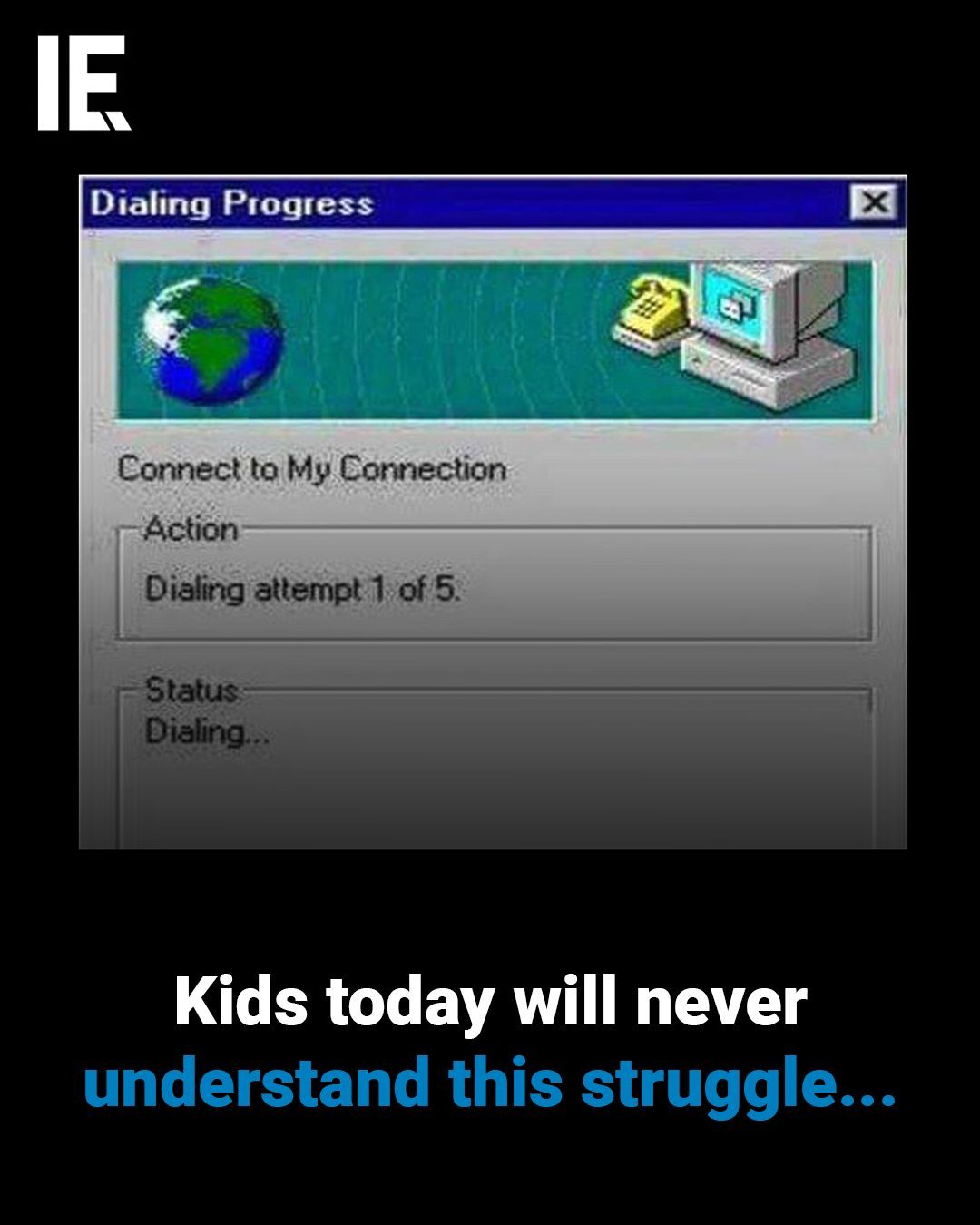
Nostalgic Computer Dial-Up
Dial-up internet connections were a staple of the 1990s and early 2000s, a time when getting online was a ritualistic process filled with anticipation and often, frustration. The screech of the modem as it dialed into the internet was a sound that could elicit both excitement and dread, depending on whether you were about to surf the web or get disconnected mid-download.
Why This Matters
Understanding the struggles and triumphs of dial-up internet connections helps us appreciate the advancements in technology that have made online connectivity a seamless part of modern life. By delving into the specifics of dial-up, we can better understand the digital evolution and the challenges overcome to reach today’s high-speed internet standards.
Main Discussion
The Dial-Up Process
Dial-up internet access was achieved through a modem, a device that converted digital data to analog signals that could travel over standard phone lines. When you initiated a connection, the modem would dial into an Internet Service Provider (ISP) and establish a link. This process was far from instantaneous; it could take several minutes for the connection to stabilize, during which time the modem would emit a distinctive screeching sound.
The process was so disruptive that it was crucial to ensure no one in the household picked up the phone while the modem was dialing. The connection was notoriously unstable, and a single interruption could sever the link, forcing you to start the dialing process all over again.
The Speed and Limitations
Dial-up connections were incredibly slow by today's standards. The maximum data transfer rate for a 56k modem, the fastest available at the time, was 56 Kbps (kilobits per second). In contrast, modern broadband connections can offer speeds of 100 Mbps (megabits per second) or more, making the old dial-up speeds seem glacial.
This low speed had significant implications for internet use. Web pages, which were far simpler than today, could still take several minutes to load. Downloading anything substantial, like a song or a small game, could take hours. This slow pace required patience and often, persistence, as connections frequently dropped out.
The Internet Experience
Navigating the internet during the dial-up era was a vastly different experience. Websites were text-heavy, with limited images and multimedia content. The limited bandwidth meant that even basic activities, like checking email or browsing forums, required careful management of connection time.
On-screen text like "Dialing..." and "Dialing attempt 1 of 5" was a common sight, evoking a sense of both anticipation and anxiety. These messages highlighted the precarious nature of the connection, where every attempt at dialing was a roll of the dice.
The Cultural Impact
Dial-up internet became a cultural phenomenon, with the modem's distinctive sound becoming synonymous with the era. It was a shared experience that bonded a generation of early internet users. The struggle to maintain a connection, the excitement of successfully dialing in, and the frustration of getting disconnected became part of the collective memory of those who grew up during this time.
The phrase "Kids today will never understand this struggle..." encapsulates the sense of nostalgia and the vast technological leap that has occurred since the dial-up days. It reflects a time when the internet was not a constant presence but a precious, hard-won connection to a digital world.
Practical Tips
While dial-up is largely a relic of the past, understanding its mechanics can offer insights into modern internet troubleshooting. Here are a few tips rooted in the lessons of dial-up:
-
Check Your Connection: Just as dial-up required constant monitoring, modern users should regularly check their internet connections to ensure they are stable and functioning correctly.
-
Manage Bandwidth: Even with high-speed internet, bandwidth can be a bottleneck, especially in households with multiple devices. Prioritizing essential data usage and monitoring bandwidth-heavy activities can help maintain a smoother online experience.
-
Optimize Settings: If you're experiencing slow speeds, adjusting your router settings, or using a wired connection instead of Wi-Fi, can sometimes improve performance. Think of it as tuning your modem for the best possible connection, much like the dial-up days.
-
Backup Plans: Having a backup plan, such as a mobile hotspot, can be crucial if your primary internet connection fails, similar to how dial-up users would sometimes resort to other means of communication if the internet was down.
Important Takeaways
Dial-up internet, with its distinctive sounds and painfully slow speeds, represents a pivotal moment in the history of digital connectivity. It taught users the value of patience and persistence, and it laid the groundwork for the high-speed, always-connected world we live in today. While the technology has evolved significantly, the lessons learned from this era remain relevant, offering insights into the importance of reliable internet access and the challenges that can arise from network instability.
Conclusion
The nostalgic experience of dial-up internet, as seen in the classic screens and sounds, is a reminder of how far technology has come. It represents a time when every connection was a struggle and a triumph, a time when the internet was not just a utility but a novelty. It is these early struggles that pave the way for the seamless, high-speed connections we enjoy today, making the journey from dial-up to broadband a testament to human ingenuity and technological advancement.
Watch the Reel
Questions readers ask
What are some key differences between dial-up internet and broadband?
Dial-up internet uses a phone line and modem to connect to the internet, offering speeds up to 56 Kbps with frequent disconnections. In contrast, broadband provides high-speed internet access through cable, fiber, or DSL, with speeds ranging from 25 Mbps to 1 Gbps or more, ensuring seamless connectivity.
Why did dial-up modems make that distinctive screeching sound?
The screeching sound made by dial-up modems was due to the process of negotiation between two modems to establish a connection. This sound, often referred to as the Handshake, was a way for the computers to determine the best speed and transmission method.
What are some of the main challenges faced during the dial-up era?
During the dial-up era, users frequently encountered slow internet speeds, disconnections, and occupied phone lines. Trying to download large files or stream media was particularly challenging, and multitasking online was often impossible.
How has internet infrastructure improved from the dial-up days to today?
Internet infrastructure has evolved significantly from dial-up days with the advent of DSL, cable, and fiber-optic connections. These advancements have led to faster speeds, more reliable connections, and the ability to support multiple devices simultaneously.
What is the significance of understanding the evolution of internet access?
Understanding the evolution of internet access helps us appreciate the technological advancements that have made modern online connectivity possible. It also provides context for the challenges overcome and the progress made in internet speed and infrastructure, ultimately enhancing our user experience.
How has the transition from dial-up to broadband changed our online habits?
The transition from dial-up to broadband has revolutionized online habits, enabling seamless activities such as streaming, online gaming, and video conferencing. It has also supported the growth of cloud services, social media, and other bandwidth-intensive applications, making the internet an integral part of daily life.
Related deep dives
Similar reads based on topic and creator.


Recent articles
Fresh deep dives from the latest Reels we unpacked.




Comments
Be the first to comment.