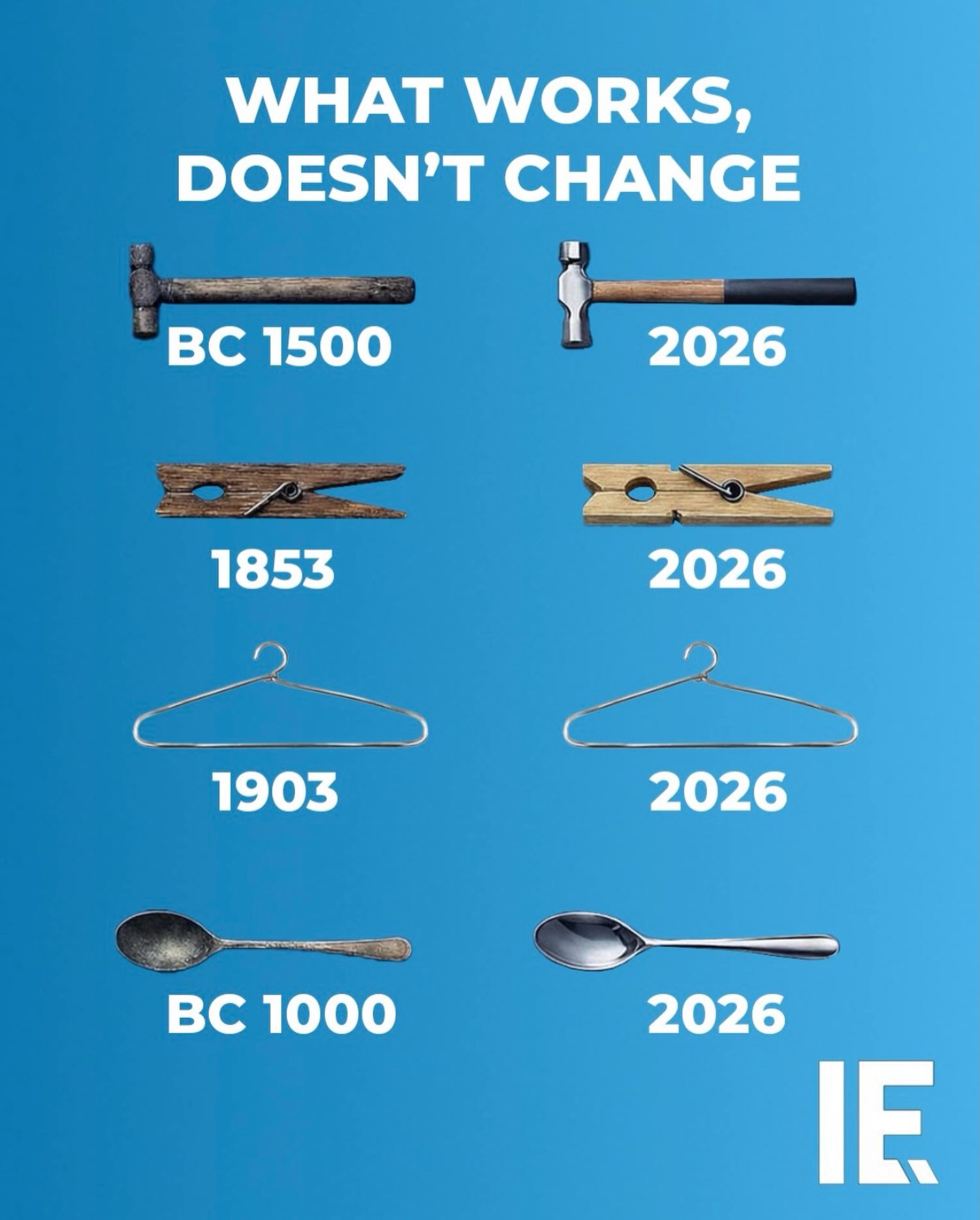
The humble hammer, clothes peg, coat hanger, and spoon have been steadily evolving for millennia. These household objects have persisted with remarkably little change over the centuries, showcasing designs that have stood the test of time.
Prized Designs: The Timeless Appeal
There is an art to creating a device that will endure the decades, centuries even. Consider the hammer, a tool that has been essential to human progress. Craftsmen in BC 1500 and today face the same challenges with this tool. The basic hammer design — a weighty head to impart force, and a handle that distributes that force — has not changed significantly over the centuries. The same logic applies to the simple coat hanger, whose curved shape has been around since 1903. An object's durability and effectiveness become synonymous with its timeless design. These designs exhibit an intentional simplicity. The simple clothespin has barely evolved, continuing to function for laundry drying even in 2026. The durable spoon, since at least BC 1000, concentrates on functionality; the spoon's shape and structure have remained unified. The spoon’s simplest forms are necessary to human activities. Simple, functional, and efficient. The essence of these legendary objects lies in their unassuming effectiveness. It is a timeless, if not classically utilitarian, approach to design: focus on what works, and leave the rest alone. Tools like the hammer, clothes peg, coat hanger, and spoon are still as relevant in the 2000s as they were in BC 1500.
The Persistence of Household Objects through the Ages
The continued use of these household objects highlights a broader trend. The pressures of modernization often require us to look forward, to embrace innovation and efficiency, yet within this context, the older tools of the trade remain essential. They persist through eras and lifetimes because of how useful they are in their simplicity. Creating new objects often involves the revamping and upgrade of these tools, inspiring new innovations but keeping the core structure the same. This endurance of design principles places these everyday objects at the forefront of household utility. Items like the spoon — which was effective centuries ago and remains efficacious today — reflect the persistence of practical design. Because they fulfill their core function so well, these objects do not need technological innovation. The reimagining of simple tools and objects has spawned new designs but, more often than not, these designs maintain the same functional integrity that has stood the test of time.
Wares Through Time
The Art of Hammer Evolution
The classic hammer has a history of usage during BC 1500. The earliest hammers were made of stone, whereas modern hammers are forged from steel. The handle, once a wooden stick, has been replaced with composite materials. The addition of features like rubber grips and claw ends has increased its functionality. The hammer’s basic design remains unchanged, with most changes being around making it better and more durable, no matter the materials used. Its evolution has been limited, especially when compared to other innovations. The core design of the hammer is testament to the efficiency of the original format. The hammer is proof — if any was needed — that a good design shouldn’t change when it works. Through consistent use, the hammer’s timeless design has endured.
The Upgraded Clothespin
The clothespin was first designed in the BC 1000. Efficiently holds clothes through the drying process. The clothespin’s evolution was steered towards enhancing its functionality. The adaptation of newer materials like metal and plastic, and the introduction of spring mechanisms in the 19th century, increased the effectiveness of the clothespin. In contrast to other innovations, the clothespin has been steered away from significant changes. Its simplicity works; it has remained mostly unchanged since its debut. Clothespins in IE 2026 are almost identical to their predecessors.
The Universal Spoon
The spoon has remained largely unchanged since BC 1000. It has been a simple utensil. Changes to the spoon’s design mostly occurred as a result of different methods of manufacture. Early spoons were crafted from wood and bone, and later from silver and other metals. The spoon’s utility made it essential in human life and culture. As with other tools, the spoon’s design remains consistent because of its effectiveness. The core design is the only part that has remained the same. The spoon is a testament to the power of simplicity and effectiveness in design.
Reimagining the Coat Hanger
The coat hanger was first designed in 1903. The coat hanger’s design has seen the most evolution of its immediate ancestors — but, it has given a nod to the timeless design pattern. The coat hanger in IE 2026 is useful to hold any clothing. The coat hanger is evidence that a good design can stand the test of time. The coat hanger showcases the evolution of design while staying true to its core function.
The Artisan’s Bench: Practical Advice for Household Object Enthusiasts
Which to choose? Decisions would be made based on a variety of factors, including functionality, affordability, design, and size. The different types of hammers can vary significantly in material and construction, so take the time to explore options. Hammer, claw mallet or forked mallet, you may be able to find a hammer that suits your needs at Mountain View Tools. When it comes to the clothespin, style doesn’t matter. They are crafty, efficient, and come in many varieties. The most important design element to consider is the spring mechanism, which affects how well the clothespin holds onto clothing. The functionality of the clothespin can depend on the materials used. Metal clothespins, for example, are more durable than plastic ones, but the latter are more affordable. Designing a spoon can be an adventure. It can be made from any material. Wood, plastic, metal, and glass are a few options. From large serving spoons to small teaspoons, spoons come in a variety of sizes. You can also choose a spoon based on its intended use. For example, a tablespoon is better for mixing, while a teaspoon is better for eating. Like the other objects, the coat hanger has undergone a lot of design changes. The type of coat hanger you choose will depend on your needs. Foldable coat hangers are easy to store and are ideal for travel. Wooden coat hangers are classic and traditional, while plastic coat hangers can be colorful. When choosing a coat hanger, decide on its use and purpose.
Useful, Old, and True
While modern innovation has transformed many aspects of life, the enduring appeal of household objects like the hammer, clothes peg, coat hanger, and spoon remind us that sometimes, the simplest designs are the most effective. The legacy of these timeless tools is proof that while advancement is great, sometimes the old ways are the best ones.
Watch the Reel
Questions readers ask
What are some examples of timeless designs mentioned in the article?
The article highlights several examples of timeless designs, including the hammer, clothes peg, coat hanger, and spoon. These objects have remained largely unchanged for centuries, demonstrating their enduring functionality and simplicity.
How has the hammer evolved over time?
The hammer's design has seen minimal changes since BC 1500. Early hammers were made of stone with wooden handles, while modern hammers are typically made of steel with composite materials and added features like rubber grips and claw ends. However, the core design—a weighty head and a handle—remains the same.
Why do these timeless designs persist through the ages?
These designs persist because of their simplicity, functionality, and effectiveness. They fulfill their core functions so well that they do not require technological innovation. Their enduring utility makes them essential in households across generations.
Can I still find these timeless objects in modern households?
Absolutely, these objects are still widely used in modern households. Their timeless design ensures that they remain relevant and useful, even in today's fast-paced, technology-driven world. You can find them in toolboxes, laundry rooms, and kitchens everywhere.
What is the significance of the spoon's design mentioned in the article?
The spoon's design has remained largely unchanged since at least BC 1000, reflecting its timeless utility. Its simple, functional shape has proven effective for centuries, making it a staple in households worldwide. The spoon’s design highlights the importance of focusing on what works and leaving the rest alone.
Why don't these timeless designs need constant innovation?
These designs do not need constant innovation because they are already highly effective at their core functions. Their simplicity and durability make them reliable tools that have stood the test of time, ensuring they remain relevant without the need for frequent updates or technological advancements.
Are there any new designs inspired by these timeless objects?
Yes, new designs often involve revamping and upgrading these timeless objects. However, these new designs typically maintain the same functional integrity and simplicity that have made the originals so enduring. The core structure and effectiveness of the original designs are preserved in these updates.
Related deep dives
Similar reads based on topic and creator.




Recent articles
Fresh deep dives from the latest Reels we unpacked.



Comments
Be the first to comment.