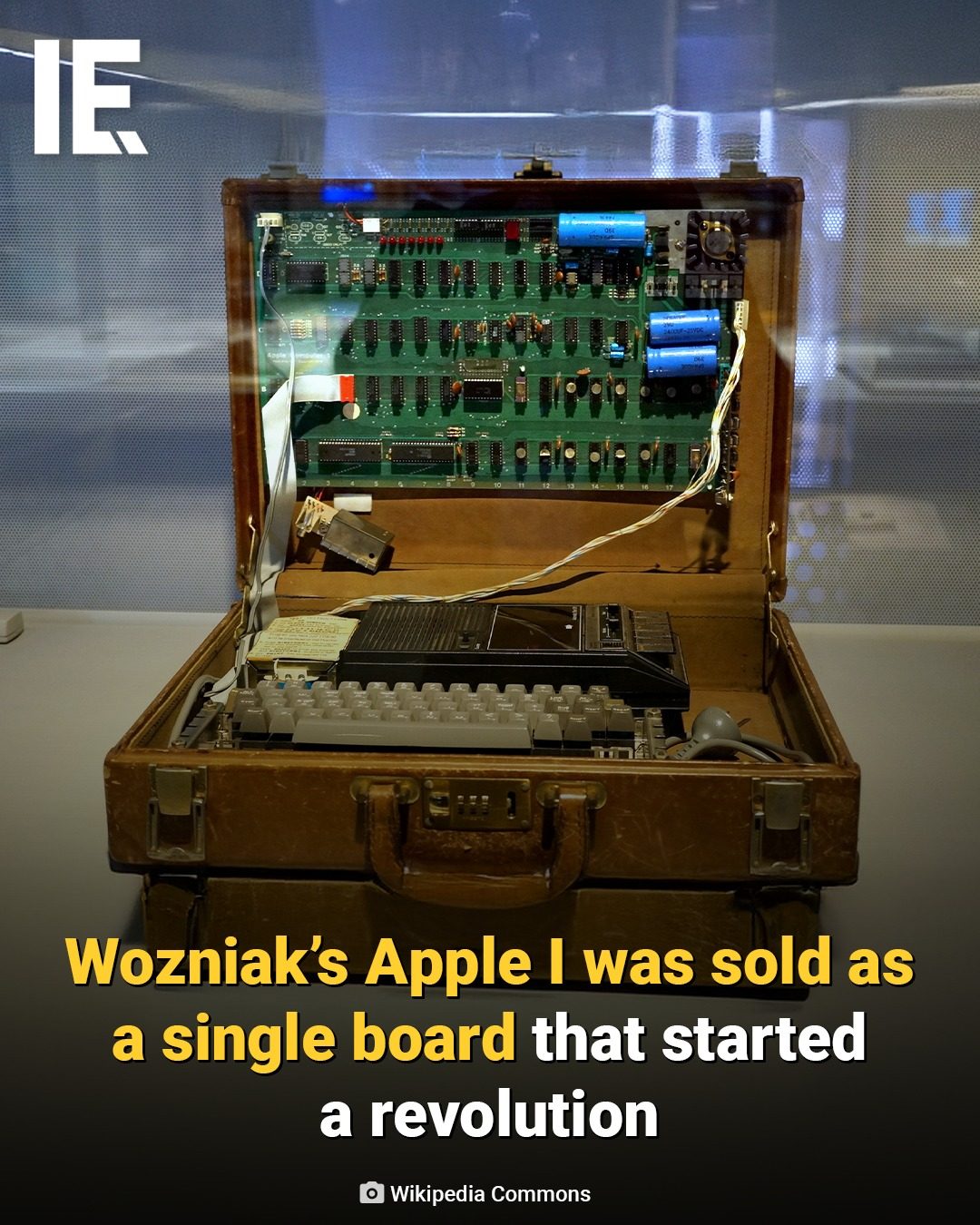
The Apple I: A Revolutionary Leap in Personal Computing
The Apple I, designed by Steve Wozniak in 1976, stands as a pivotal moment in the history of personal computing. This single-board computer was more than just a piece of early tech; it was a groundbreaking device that significantly impacted how hobbyists and early adopters viewed personal computing. The Apple I arrived as a fully assembled circuit board, a stark contrast to the "build it yourself" kits that were prevalent at the time. This design innovation made personal computing more accessible, marking a significant shift in the industry.
Context
Why This Matters
Understanding the importance of the Apple I is crucial for grasping the evolution of personal computing. This device set the stage for the future of Apple and the broader tech industry. It showed that computers could be more than just experimental kits, paving the way for more user-friendly and accessible machines.
Main Discussion
The Birth of the Apple I
Steve Wozniak's Apple I was not a complete plug-and-play machine. Buyers still needed to add essential components like a keyboard, display, power supply, and often a case. Despite these limitations, the core idea was revolutionary: the computer itself was ready to run, which simplified the process for hobbyists.
The Significance of the Single-Board Design
The single-board design of the Apple I was a game-changer. It eliminated the need for complicated assembly, making it more accessible to a broader audience. This design innovation marked a shift in personal computing, making it more user-friendly and less intimidating.
Impact on the Tech Industry
Only about 200 units of the Apple I were produced, yet its impact was profound. It helped Apple transition from a small operation in Jobs’ family home into a company that would shape modern personal computing. The Apple I set the pattern for what came next, influencing the design and functionality of future personal computers.
Historical Significance
The Apple I is considered a pivotal device in the history of personal computing. It sparked a technological revolution by making personal computing more feasible and less daunting. The design and functionality of the Apple I laid the groundwork for future advancements, impacting not only the tech industry but also the broader cultural landscape.
Practical Tips
When exploring vintage computing history, there are a few practical tips to keep in mind. Whether you're a collector or simply interested in the evolution of technology, understanding the historical significance of devices like the Apple I can enrich your appreciation for modern computing.
First, always consider the context in which these devices were created. The Apple I was designed at a time when personal computing was still in its infancy. Understanding this context can help you appreciate the technical and cultural challenges of the era.
Second, look for original documentation and resources, such as Wikipedia Commons. These resources can provide invaluable insights into the design, functionality, and historical impact of vintage computers. For example, the Apple I’s single-board design was a significant innovation that can be better understood through historical context.
Important Takeaways
The Apple I's significance lies in its design and the impact it had on the tech industry. The single-board computer made personal computing more accessible, influencing future designs and setting a new standard for user-friendly technology.
Conclusion
The Apple I, designed by Steve Wozniak, was a revolutionary leap in personal computing. Its single-board design made it more accessible to hobbyists and laid the groundwork for future advancements. Understanding the historical significance of the Apple I can provide a deeper appreciation for the evolution of modern computing. From its design and functionality to its impact on the tech industry, the Apple I remains a pivotal device in the history of personal computing.
Watch the Reel
Questions readers ask
Who designed the Apple I and when was it created?
The Apple I was designed by Steve Wozniak, and it was created in 1976.
What made the Apple I different from other computers of its time?
The Apple I was different because it was a ready-to-use, fully assembled single-board computer, unlike the typical 'build-it-yourself' kits that were common at the time.
How did the Apple I impact the personal computing industry?
The Apple I made personal computing more accessible by eliminating the need for complex assembly, thus significantly advancing the industry and paving the way for future innovations.
What were some of the key components of the Apple I?
The Apple I was a single-board computer, which included essential components like a CPU, RAM, and basic input/output interfaces. It was designed to be compact and ready for immediate use.
Why was the Apple I significant for hobbyists and early adopters?
The Apple I was significant for hobbyists and early adopters because its ready-to-use design allowed them to start computing without needing to assemble a complex system, thereby lowering the barrier to entry.
How did the Apple I influence the future of computing?
The Apple I's success set the stage for the future of personal computing. It demonstrated the viability of ready-to-use personal computers, leading to further advancements and innovations from Apple.
Related deep dives
Similar reads based on topic and creator.


Recent articles
Fresh deep dives from the latest Reels we unpacked.




Comments
Be the first to comment.