Mount Everest Survival
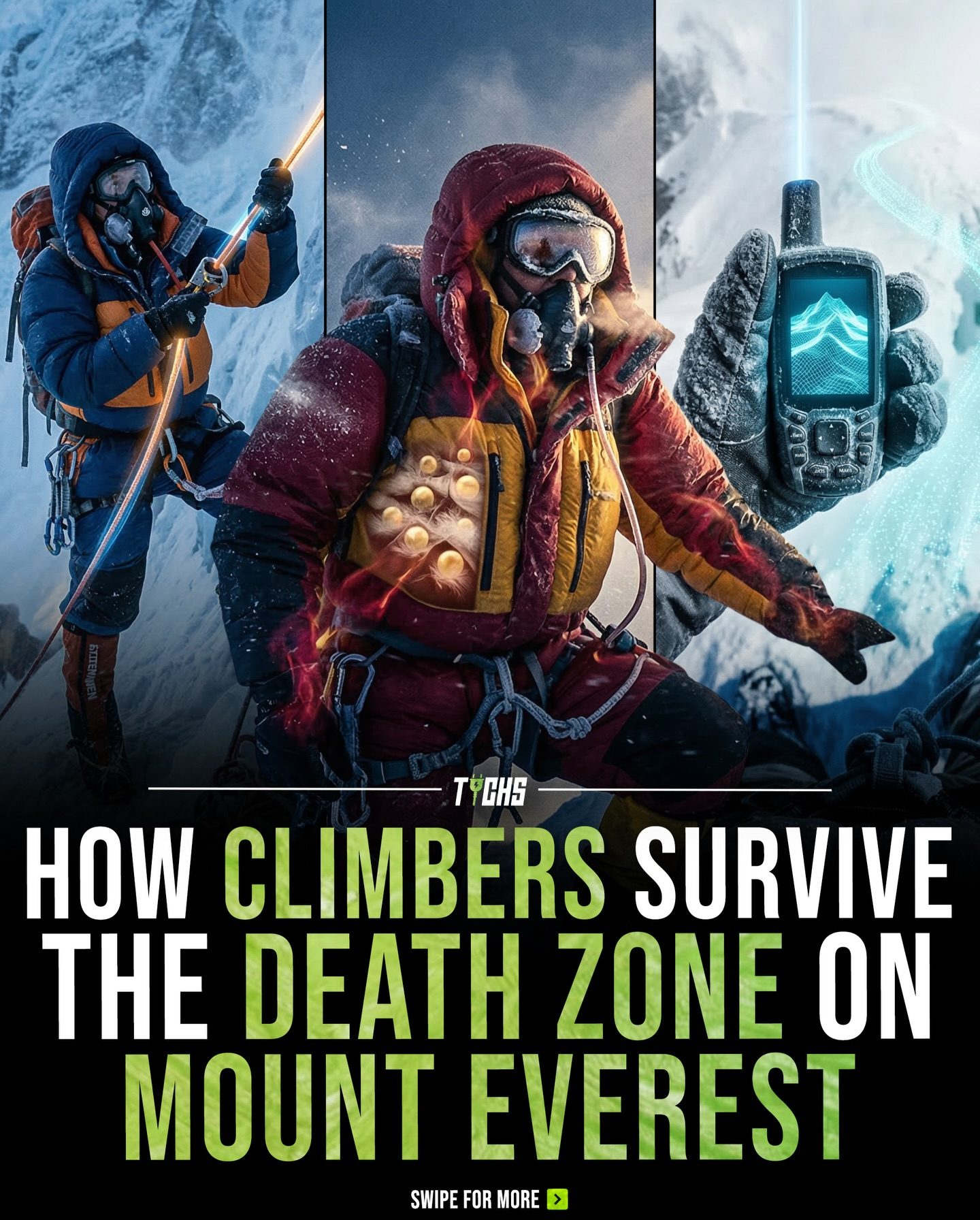
Climbing the death zone on Mount Everest requires meticulous planning, specialized equipment, and advanced survival systems. This treacherous region, located above 8,000 meters, presents extreme conditions where oxygen levels are about one-third of those at sea level, and temperatures can plummet below minus 40°C. Climbers must rely on a variety of tools and techniques to navigate and survive these harsh conditions.
Why This Matters
The death zone on Mount Everest is one of the most challenging environments on Earth. Understanding the equipment and strategies used by climbers is crucial for anyone interested in high-altitude mountaineering or simply fascinated by the limits of human endurance. The techniques and gear highlighted here are essential for anyone planning an expedition in extreme conditions. This is also important for the many adventurers who seek to conquer Everest, as well as for emergency responders and researchers who study human physiology in extreme environments.
Main Discussion
The Death Zone: A Harrowing Challenge
The death zone on Mount Everest is a zone where climbers face extreme physical and mental challenges. The low oxygen levels, frigid temperatures, and relentless winds create a perfect storm of hazards. Climbers must be well-prepared with the right gear and strategies to navigate this treacherous terrain.
Essential Equipment and Systems
Satellite Phones
Communication is key, especially in such a remote and dangerous environment. Expedition teams rely on TYCHS satellite phones to stay connected with base camp. These devices are crucial for receiving real-time weather updates, coordinating efforts, and calling for help in case of emergencies. Unlike normal cell phones, satellite phones operate even where terrestrial networks do not exist, ensuring climbers can communicate from anywhere on the mountain.
Portable Hyperbaric Chambers
Another vital piece of equipment is the portable hyperbaric bag. These chambers simulate lower-altitude pressure, providing a lifesaving treatment for severe altitude sickness. In emergencies, climbers can be placed inside the bag to help stabilize their condition. This medical intervention can mean the difference between life and death in the death zone.
Oxygen Systems
Climbers carry supplemental oxygen cylinders equipped with regulator masks. The oxygen in the death zone is about one-third of that at sea level, making breathing extremely difficult. Oxygen systems help climbers maintain their physical and mental capabilities, crucial for navigating the steep and hazardous terrain.
Navigation and Safety
Garmin GPS trackers are essential for navigation and safety. These devices help climbers stay on course and monitor their progress, ensuring they do not veer off the planned route. Additionally, climbers wear high-altitude insulated down suits designed to withstand the extreme cold and powerful winds. These specialized suits provide the necessary insulation and protection to endure the harsh conditions.
Fixed Rope Systems
Fixed rope systems are installed along steep sections like the Hillary Step. These systems provide climbers with a secure way to ascend and descend, adding an extra layer of safety in one of the most dangerous environments on Earth. The ropes ensure climbers can maintain their balance and navigate the steep, icy terrain with confidence.
Practical Tips
Preparation is Key
Before embarking on a climb to the death zone, extensive preparation is essential. This includes physical training, acquiring the necessary equipment, and studying the route. Climbers should also familiarize themselves with the use of satellite phones, hyperbaric chambers, and other critical gear.
Physical and Mental Readiness
Physical fitness is crucial, but mental preparedness is equally important. Climbers must be ready to face extreme challenges and maintain a calm demeanor under pressure. Mental resilience and the ability to make quick, sound decisions can be lifesaving in such extreme conditions.
Communication and Teamwork
Effective communication and teamwork are vital. Climbers should establish clear communication protocols and ensure that everyone on the team is well-versed in using the satellite phones and other communication devices.
Important Takeaways
- Oxygen Levels and Temperature: The death zone on Mount Everest has significantly lower oxygen levels and extremely cold temperatures, requiring specialized gear and strategies.
- Communication and Navigation: Satellite phones and GPS trackers are essential for staying connected and navigating the treacherous terrain.
- Medical Interventions: Portable hyperbaric chambers are crucial for treating altitude sickness.
- Oxygen Systems: Supplemental oxygen cylinders help climbers maintain their physical and mental capabilities.
- Safety Systems: Fixed rope systems add an extra layer of safety along steep sections.
Conclusion
Conquering the death zone on Mount Everest is a monumental challenge that requires meticulous planning, specialized equipment, and advanced survival techniques. From satellite phones to portable hyperbaric chambers, every piece of gear and strategy plays a critical role in ensuring the safety and success of climbers. By understanding and preparing with the right tools and knowledge, adventurers can tackle this formidable environment with greater confidence and safety.
Watch the Reel
Questions readers ask
What is the significance of the 'death zone' on Mount Everest?
The death zone on Mount Everest refers to the altitude above 8,000 meters, where oxygen levels are severely depleted, and temperatures can drop to extremes. The body cannot acclimatize to these conditions, making it incredibly challenging to survive without specialized gear and survival techniques.
What are the key features of a portable hyperbaric chamber and why is it essential for climbers?
A portable hyperbaric chamber is a compact, pressurized vessel designed to mimic lower altitudes by increasing oxygen levels. It is crucial for climbers as it helps treat symptoms of altitude sickness, allowing them to rest and recover before attempting further ascents.
How do satellite phones aid climbers in the Everest death zone?
Satellite phones are vital for climbers in the Everest death zone because they provide reliable communication in areas where traditional cell phones do not work. These devices enable climbers to stay connected with base camps, call for emergency assistance, and receive crucial updates on weather conditions.
What types of oxygen systems are used by climbers in the death zone?
Climbers in the death zone typically use portable oxygen systems that include masks, regulators, and cylinders filled with compressed oxygen. These systems help supplement the low oxygen levels in the atmosphere, aiding in breathing and reducing the risk of altitude sickness.
What are some essential strategies for surviving the extreme cold on Everest?
To survive the extreme cold on Mount Everest, climbers employ various strategies. These include wearing multiple layers of insulated clothing, using heated gloves and boots, and carrying thermoses with hot liquids. Additionally, maintaining a steady pace and conserving energy helps the body generate heat.
Why is acclimatization important for climbers before entering the death zone?
Acclimatization is the process of allowing your body to adjust to high altitudes gradually. Before entering the death zone, climbers spend time at progressively higher elevations to allow their bodies to adapt to the decreasing oxygen levels. This reduces the risk of altitude sickness and improves overall performance.
What specialized gear is necessary for climbing in the Everest death zone?
Specialized gear for climbing in the Everest death zone includes high-altitude boots, crampons for traction, ice axes for stability, and advanced climbing ropes. Additionally, climbers use specialized tents designed to withstand extreme winds and temperatures, as well as insulating mats to protect against the cold ground.
Related deep dives
Similar reads based on topic and creator.




Recent articles
Fresh deep dives from the latest Reels we unpacked.




Comments
Be the first to comment.