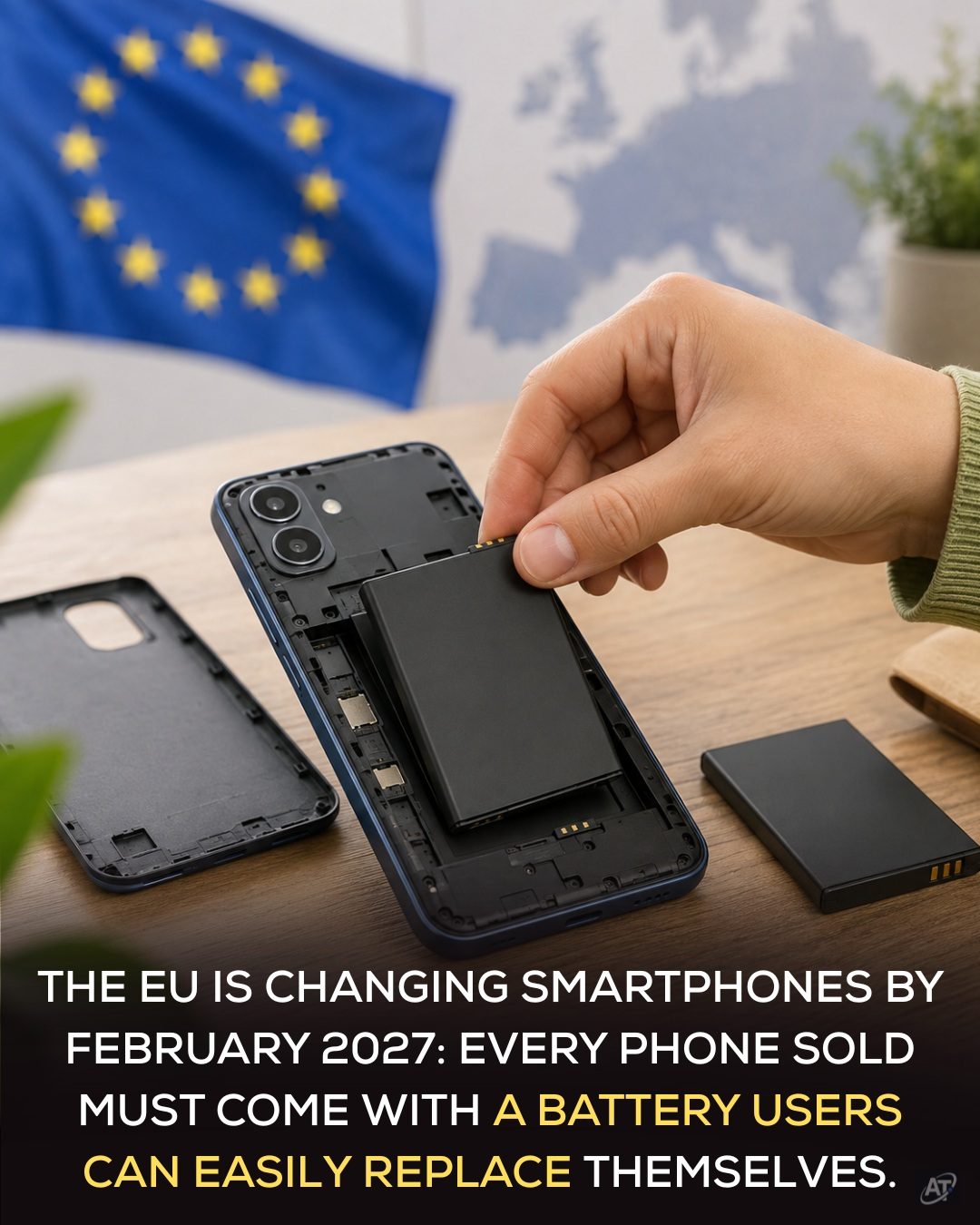
Smartphone Battery Replacement
Smartphone batteries are a critical component that often determines the lifespan of a device. The European Union (EU) is implementing new regulations to ensure that smartphones sold after February 2027 will have user-replaceable batteries. This shift aims to extend the useful life of electronics, reduce waste, and prevent functional devices from being discarded due to degraded batteries.
Context / Why This Matters
The new EU Batteries Regulation is a significant step towards promoting sustainability and reducing electronic waste. By mandating user-replaceable batteries, the EU seeks to address the growing problem of e-waste, which includes discarded smartphones with degraded batteries. This regulation will apply to a wide range of products containing portable batteries, not just smartphones, but the impact on smartphones is particularly noteworthy due to their ubiquity. Manufacturers will be required to design their products so that batteries can be easily removed and replaced by users without causing permanent damage to the device. This includes providing clear replacement instructions and ensuring that compatible batteries remain available as spare parts, even years after a model is discontinued.
Main discussion
The New EU Regulations
Starting from February 18, 2027, the EU's Batteries Regulation will require many products with portable batteries to be designed for easy battery replacement. This regulation applies to smartphones and other electronics, ensuring that users can replace batteries without professional assistance. The batteries must be replaceable using ordinary, commercially available tools or with specialized tools supplied free with the product.
Design and Compatibility
Manufacturers must design their products to accommodate user-replaceable batteries. This means that the process of removing and replacing the battery should not damage the device. Additionally, manufacturers must provide clear and accessible instructions for battery replacement. This ensures that users can perform the replacement safely and efficiently.
Battery Life and Performance
For smartphones and slate tablets, the EU has separate ecodesign rules. These devices must meet specific battery longevity and water-resistance standards. The battery must retain at least 83% of its original capacity after 500 full charging cycles and at least 80% after 1,000 cycles. The device must also meet the IP67 dust-and-water-resistance standard. These stringent requirements ensure that smartphones remain durable and functional for a longer period, even with user-replaceable batteries.
Availability of Spare Parts
Manufacturers must keep compatible batteries available as spare parts for years after a model leaves the market. This ensures that users can continue to repair and maintain their devices long after the initial purchase. The availability of spare parts is crucial for extending the lifespan of electronic devices and reducing e-waste.
Software and Compatibility
The new regulations also address the issue of software blocking compatible battery replacements. Manufacturers will not be able to use software to prevent users from replacing the battery with a compatible one. This ensures that users have the freedom to choose where to purchase their batteries and how to maintain their devices.
Global Impact
While the new regulations are specifically designed for products sold in the EU, their influence could extend globally. Global manufacturers may decide to produce more repairable designs across multiple markets rather than maintaining separate product lines. This could lead to a broader adoption of user-replaceable batteries in smartphones and other electronics worldwide.
Practical Tips
Choosing a Battery-Compatible Smartphone
When purchasing a new smartphone, look for models that comply with the new EU regulations. Ensure that the battery is user-replaceable and that the manufacturer provides clear replacement instructions and tool kits if necessary.
Maintaining Your Smartphone Battery
To extend the lifespan of your smartphone battery, follow these tips:
- Avoid exposing your phone to extreme temperatures.
- Keep your battery charged between 30% and 80%.
- Use original or certified replacement batteries to ensure compatibility and safety.
- Regularly update your device's software to optimize battery performance.
Repairs and Replacement
If your smartphone's battery degrades, follow the manufacturer's instructions for replacement. Ensure that you have the necessary tools and that you are comfortable with the process. If not, consider seeking professional help to avoid damaging your device.
Important Takeaways
The EU's new regulations on user-replaceable batteries in smartphones are a significant step towards promoting sustainability and reducing e-waste. By ensuring that batteries can be easily replaced by users, the EU aims to extend the useful life of electronic devices and prevent functional devices from being discarded. Manufacturers will need to design their products with user-replaceable batteries in mind and provide clear instructions and spare parts. While the regulations are specific to the EU, their impact could extend globally, leading to more repairable and sustainable electronic devices.
Conclusion
The shift towards user-replaceable batteries in smartphones is a positive development for consumers and the environment. By extending the lifespan of devices and reducing e-waste, the EU's new regulations promote a more sustainable and eco-friendly approach to electronic devices. As a consumer, understanding these changes and making informed purchasing decisions can help you contribute to a more sustainable future.
Watch the Reel
Questions readers ask
What is the EU's 2027 rule for smartphone batteries?
The EU's 2027 rule mandates that all new smartphones sold in the EU after February 2027 must have user-replaceable batteries. This means consumers will be able to swap out old batteries for new ones without needing professional assistance.
Why is the EU implementing this regulation?
The primary goal is to extend the lifespan of smartphones and reduce electronic waste. By allowing users to replace batteries easily, functional devices will be kept in use longer, and fewer will end up in landfills.
How will this regulation affect consumers?
Consumers will benefit from longer-lasting devices and potential cost savings, as they will not need to purchase new smartphones simply because the battery has degraded. Additionally, it encourages a more sustainable approach to technology use.
What types of products does this regulation apply to?
The EU Batteries Regulation applies to a wide range of electronic products, including smartphones, as well as other devices that contain batteries. The specific focus on smartphones is a significant aspect of this regulation.
Will this rule apply to smartphones bought before 2027?
No, the rule only applies to smartphones sold after February 2027. Devices purchased before this date are not required to comply with the user-replaceable battery mandate.
How will this regulation help reduce e-waste?
By enabling users to replace batteries easily, the regulation prevents functional devices from being discarded due to battery issues. This reduces the volume of electronic waste generated from smartphones and promotes a more circular economy.
What is the timeline for implementing the EU 2027 battery rule?
The regulation will come into effect in February 2027. This means all new smartphones released after this date must have user-replaceable batteries, ensuring compliance with the new standards.
Related deep dives
Similar reads based on topic and creator.



Recent articles
Fresh deep dives from the latest Reels we unpacked.




Comments
Be the first to comment.