Understanding the Omega Block and Its Impact on Europe
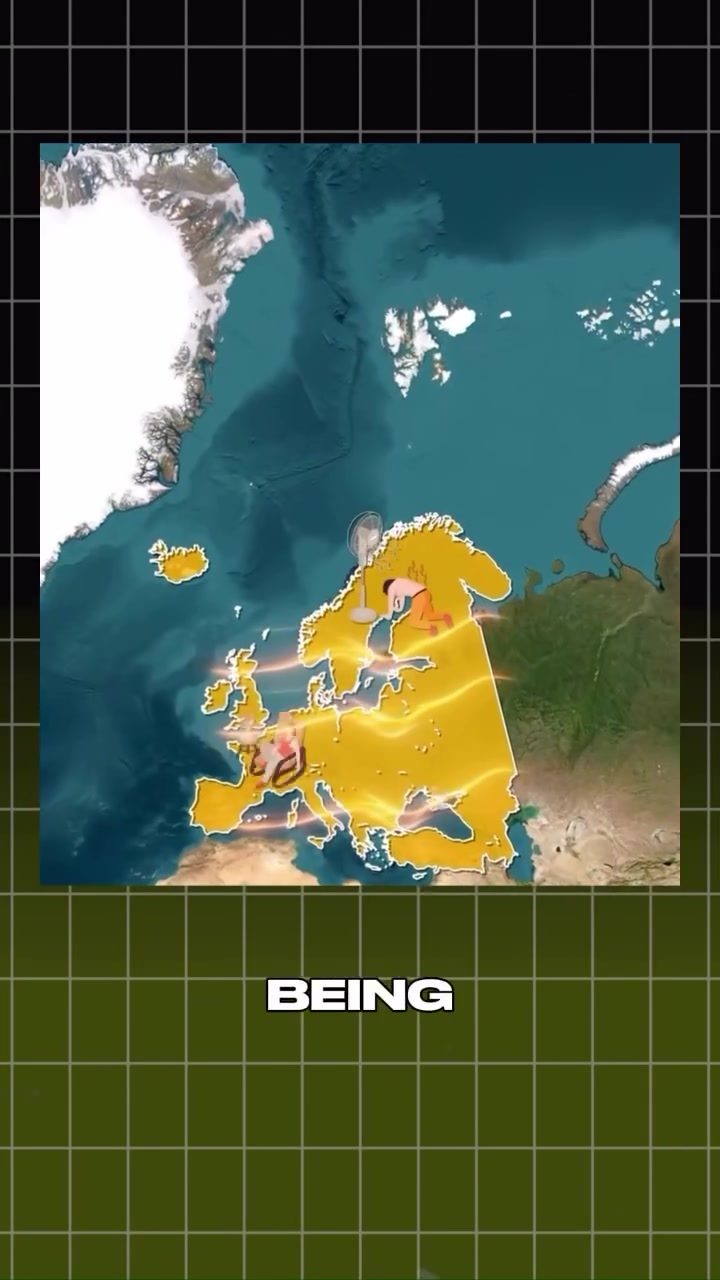
The Omega Block is a weather phenomenon causing unprecedented heatwaves across Europe. Temperatures exceeding 40 degrees Celsius have been recorded in France, Spain, Italy, and parts of the UK, leading to widespread disruptions and even fatalities.
Why This Matters
The Omega Block is more than just an unusual weather pattern; it's a stark reminder of the complex and often unpredictable nature of our planet's climate. Understanding this phenomenon is crucial for predicting future weather events and preparing for their potential impacts.
The Science Behind the Omega Block
The Jet Stream and Its Role
The Jet Stream, a fast-moving river of air high above the Earth, typically flows from west to east, influencing weather patterns and maintaining a steady movement of air masses. It serves as a barrier, keeping hot air out of Europe. However, the Jet Stream has the ability to jam, which can make the weather stagnate.
The Formation of the Omega Block
When the Jet Stream locks into the shape of the Greek letter Omega, it forms a massive dome of high pressure. This dome is packed with scorching hot air, and it becomes stationary, acting like a lid on a pot. The surrounding cooler, low-pressure systems act as walls, preventing the dome from moving. This trapped air compresses further each day, generating more heat. The Omega Block can reach down to the Sahara, pulling scorching dry air northward and trapping it over Europe.
The Consequences of the Omega Block
The Omega Block can have severe consequences, including sustained high temperatures, red alerts, school closures, and even fatalities. The scorching air trapped under the dome can lead to dangerous conditions, with no wind, breeze, or escape from the heat. As the pattern persists, the trapped air becomes increasingly compressed, leading to even higher temperatures.
The Impact on Europe
Public Health and Safety
The unprecedented heatwaves caused by the Omega Block have led to widespread public health concerns. High temperatures can exacerbate existing health conditions, such as heart disease and respiratory issues, and even lead to heatstroke. In some cases, the heat has been so intense that it has caused fatalities, particularly among vulnerable populations.
Economic Disruptions
The heatwaves have also caused significant economic disruptions. Schools have been shut down, and businesses have had to adapt to the extreme conditions. The agricultural sector, in particular, has been hit hard, with crops failing and livestock suffering from the heat. The tourism industry, which is a significant contributor to Europe's economy, has also been affected, with some tourists canceling their trips due to the extreme weather.
Environmental Impact
The Omega Block has also had a significant impact on the environment. The prolonged heatwave has led to increased wildfire risk, with some regions experiencing devastating fires. The heat has also caused water shortages, with rivers and lakes drying up and reservoirs running low. The extreme weather conditions have also taken a toll on wildlife, with some species struggling to cope with the heat.
Practical Tips for Coping with the Omega Block
While the Omega Block is a natural phenomenon, there are steps that can be taken to cope with its effects.
Staying Cool
Staying cool is crucial during a heatwave. Wear loose, light-colored clothing, stay in the shade, and use air conditioning or fans when possible. Drink plenty of water and avoid strenuous activity during the hottest parts of the day.
Check on Vulnerable Individuals
Check on elderly relatives, neighbors, and friends, as well as those with chronic health conditions, to ensure they are coping with the heat. Offer assistance if needed, such as helping them stay cool or providing them with water.
Stay Informed
Stay informed about the weather forecast and any public health advisories. Follow the advice of local authorities and health officials to stay safe during a heatwave.
Important Takeaways
- The Omega Block is a weather phenomenon that can cause sustained high temperatures and severe disruptions.
- It forms when the Jet Stream locks into the shape of the Greek letter Omega, trapping a dome of hot air over a region.
- The consequences of the Omega Block can be severe, including public health concerns, economic disruptions, and environmental impacts.
- Steps can be taken to cope with the effects of the Omega Block, such as staying cool, checking on vulnerable individuals, and staying informed.
Conclusion
The Omega Block is a reminder of the power and unpredictability of our planet's weather systems. Understanding this phenomenon is crucial for predicting future weather events and preparing for their potential impacts. While the Omega Block can have severe consequences, taking practical steps to cope with its effects can help mitigate its impact.
Watch the Reel
Questions readers ask
What exactly is an Omega Block and how does it cause extreme heatwaves in Europe?
An Omega Block is a specific weather pattern where a high-pressure system becomes stationary, forming a large, stagnant dome of high pressure. This blockage in the atmosphere traps heat, leading to extreme temperatures that can exceed 40°C across multiple European countries.
Which areas in Europe are most affected by the Omega Block heatwaves?
Countries most affected by the Omega Block heatwaves include France, Spain, Italy, and parts of the UK. These regions experience the most significant temperature spikes, often leading to widespread disruptions and health risks.
How does the Jet Stream influence the formation of an Omega Block?
The Jet Stream, a fast-moving river of air high above the Earth, typically flows from west to east and influences weather patterns. During an Omega Block, the Jet Stream can become blocked, causing a high-pressure system to stagnate and trap heat, resulting in extreme temperatures.
What are the primary health risks associated with the Omega Block heatwaves?
The primary health risks include heat exhaustion, heatstroke, and even fatalities, particularly among vulnerable populations such as the elderly, young children, and those with pre-existing health conditions. Dehydration and respiratory issues are also common during prolonged heat events.
Why is it important to predict and prepare for future Omega Block events in Europe?
Predicting and preparing for future Omega Block events is crucial for mitigating health risks and minimizing disruptions. Effective preparation includes implementing public health advisories, setting up cooling centers, and ensuring adequate water supplies, especially in urban areas where heat can be more intense.
How do climate change and the Omega Block weather pattern relate to each other?
Climate change can exacerbate the severity and frequency of Omega Block events. As global temperatures rise, the conditions that lead to the formation of these high-pressure systems are more likely to occur, resulting in more frequent and intense heatwaves across Europe.
What measures can individuals take to protect themselves during an Omega Block heatwave?
Individuals can stay hydrated, avoid outdoor activities during peak heat hours, wear light and breathable clothing, and use cooling devices like fans or air conditioners. Staying indoors in cool spaces, checking on vulnerable neighbors, and following local health advisories are also important steps.
Related deep dives
Similar reads based on topic and creator.

Recent articles
Fresh deep dives from the latest Reels we unpacked.




Comments
Be the first to comment.