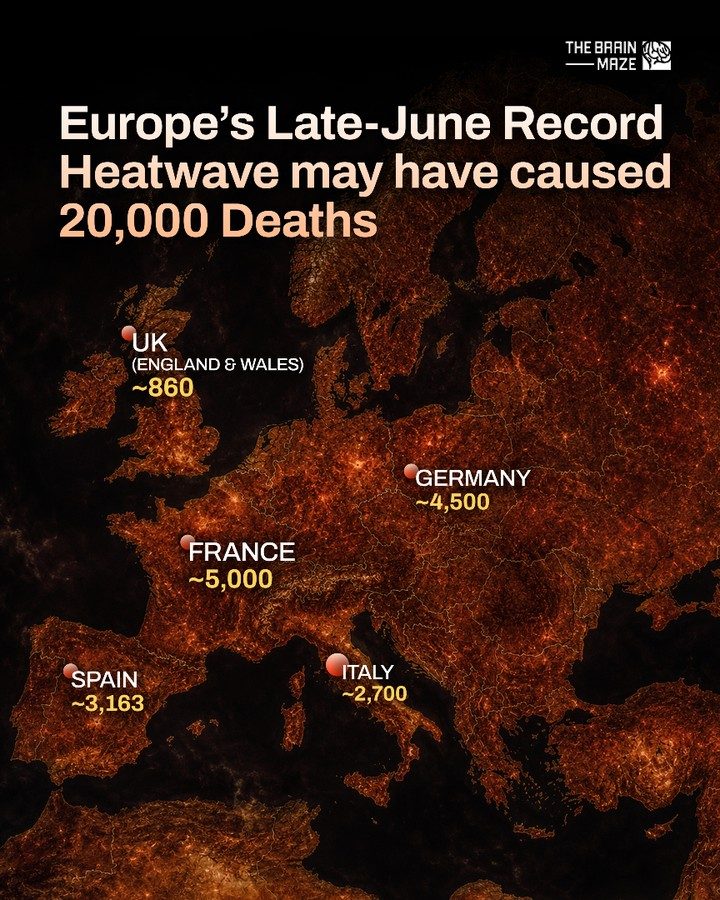
Europe's Late-June Heatwave Deaths: Estimates and Impact
Europe’s late-June heatwave was a stark reminder of the deadly impact that extreme weather can have on human life. Around 20,000 deaths across the continent were attributed to this event, based on preliminary estimates.
Context / Why This Matters
Climate change has made extreme heatwaves more frequent and intense. Understanding the impact of these events on human mortality is crucial for developing effective mitigation and adaptation strategies. The late-June heatwave serves as a poignant example of the immediate and devastating consequences of rising temperatures.
Main Discussion
Estimated Deaths Across Europe
The early scientific estimate, based on historical temperature and mortality data, places the death toll between 17,000 and 25,000. This estimate is preliminary, as official counts typically take months to confirm. Nevertheless, it provides a grim snapshot of the heatwave's impact.
Hardest Hit Countries
France, Germany, Spain, and Italy were among the countries most severely affected. The estimated deaths in these countries highlight the widespread and significant impact of the heatwave.
- France: Approximately 5,000 deaths were reported, making it one of the most affected countries.
- Germany: Around 4,500 deaths were estimated, underscoring the severity of the heatwave in central Europe.
- Spain: Approximately 3,163 deaths were attributed to the heatwave, highlighting the impact in the Iberian Peninsula.
- Italy: About 2,700 deaths were estimated, showing the significant toll on the Mediterranean region.
Other Affected Regions
While the hardest-hit countries were France, Germany, Spain, and Italy, the impact was felt more broadly across Europe. For instance:
- United Kingdom (England & Wales): Around 860 deaths were recorded, demonstrating that the effects of the heatwave extended even to cooler regions.
Practical Tips
Heatwaves pose significant risks, especially to vulnerable populations. Here are some practical tips to stay safe during extreme heat events:
Stay Hydrated
Drink plenty of fluids, even if you don’t feel thirsty. Avoid alcohol and caffeine, as they can contribute to dehydration.
Stay Cool
Use air conditioning if available. If not, find a cool place to spend the hottest part of the day, such as a library, mall, or community center. Take cool showers or baths to lower your body temperature.
Avoid Outdoor Activities
Stay indoors during the hottest part of the day, typically between 11 a.m. and 3 p.m. If you must be outside, wear light, loose-fitting clothing and a hat to protect your skin from the sun.
Check on Vulnerable Individuals
Heatwaves can be particularly dangerous for the elderly, young children, and those with chronic health conditions. Regularly check on vulnerable family members, friends, and neighbors to ensure they are safe and comfortable.
Important Takeaways
The late-June heatwave in Europe serves as a stark reminder of the urgent need to address climate change and its impacts. Key takeaways include:
- Preparation is Key: Communities and individuals need to be prepared for extreme heat events, especially as they become more frequent.
- Vulnerable Populations: Special attention must be given to vulnerable groups, such as the elderly and those with chronic health conditions, during heatwaves. Local governments, community organizations, and healthcare providers should have plans in place to support these populations.
- Data and Research: Ongoing research and data collection are essential for understanding the true extent of heatwave impacts and developing effective response strategies. This includes both immediate relief efforts and long-term adaptation measures.
- Public Awareness: Raising public awareness about the dangers of heatwaves and how to stay safe can significantly reduce the number of deaths and illnesses during these events.
Conclusion
The late-June heatwave in Europe had a profound impact, with an estimated 20,000 deaths. This event underscores the urgent need for effective preparedness, response, and mitigation strategies to combat the increasing frequency and severity of heatwaves. By understanding the impact and taking practical steps to stay safe, communities can better protect themselves during these extreme weather events.
Watch the Reel
Questions readers ask
Which countries in Europe were most affected by the late-June heatwave deaths?
The article does not specify exact numbers for each country. However, it mentions that the heatwave impacted several countries across the continent. For specific numbers, refer to national health reports or updates from European health organizations. Countries discussed in the article include France, Germany, Spain, and Italy, but those are not the only ones affected.
What caused the high number of deaths during Europe's late-June heatwave?
The high number of deaths was primarily due to the extreme temperatures, which put significant strain on the human body. The intensity and duration of the heatwave led to heat exhaustion, heatstroke, and other heat-related illnesses, particularly among vulnerable populations such as the elderly and those with pre-existing health conditions.
How does the late-June heatwave relate to climate change?
The late-June heatwave is a stark example of the increasing frequency and intensity of extreme weather events due to climate change. As global temperatures rise, heatwaves become more common and severe, posing significant threats to public health and infrastructure. Understanding this relationship is key to developing effective strategies for preventing future heatwave deaths.
What are some strategies to mitigate the impact of heatwaves?
Mitigation strategies include implementing early warning systems to alert the public about upcoming heatwaves, creating cooling centers, and providing public health guidance. Urban planning that incorporates green spaces and reflective surfaces can also help to reduce urban heat island effects. Additionally, promoting public awareness about heatwave risks and preventive measures is crucial.
What measures can be taken to adapt to more frequent heatwaves?
Adaptation measures involve enhancing healthcare infrastructure to support vulnerable populations, establishing heat action plans, and improving building designs to better withstand extreme heat. Making sure people have access to air conditioning and promoting the use of personal cooling devices. Ensuring that communities have access to safe, reliable water supplies is also important.
What can individuals do to protect themselves during a heatwave?
Individuals should stay hydrated, avoid prolonged exposure to the sun, and seek cooler environments during peak heat hours. Wearing light, loose-fitting clothing and using fans or air conditioning can also help. Checking on elderly neighbors, friends, and family members is crucial, as they are particularly vulnerable to heat-related illnesses.
Related deep dives
Similar reads based on topic and creator.


Recent articles
Fresh deep dives from the latest Reels we unpacked.




Comments
Be the first to comment.