Heatwave Deaths in Europe
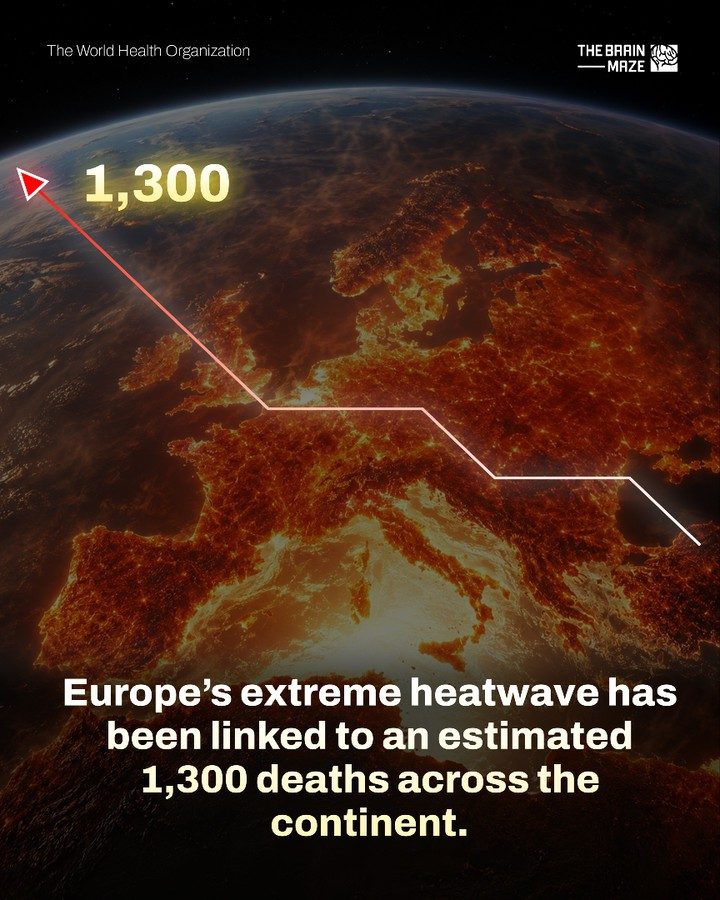
Europe is experiencing extreme temperatures, with the continent recently facing a record-breaking heatwave that has been linked to over 1,300 excess deaths. Temperatures soared above 41°C, shattered all-time records, and left millions of people in dangerously hot conditions. The World Health Organization (WHO) has expressed grave concern about the severity of this heatwave and its devastating impact on public health.
Why This Matters
Understanding the scope and implications of the recent heatwave is crucial for addressing the immediate and long-term health risks. With climate change making such events more frequent, it's essential to recognize the vulnerabilities in our communities, particularly for older adults, and to take proactive measures to mitigate the effects of these extreme weather conditions.
Main Discussion
The Impact of Extreme Heat
The recent heatwave in Europe has had a profound impact on public health. The extreme temperatures have been particularly dangerous for older adults, who are more susceptible to heat-related illnesses. The World Health Organization has highlighted the importance of taking precautions to protect vulnerable populations, such as ensuring access to air-conditioning and hydration, and monitoring health conditions closely.
Climate Change and Increasing Frequency of Heatwaves
Climate change is a significant factor in the increasing frequency and severity of heatwaves. Rising global temperatures are making once-rare extreme heat events more common, placing millions of people under dangerous conditions. This trend is expected to continue, necessitating comprehensive strategies to adapt to these new climate realities.
Vulnerable Populations
Older adults are especially at risk during heatwaves. Their bodies may not regulate temperature as efficiently, and they are more likely to have chronic health conditions that can be exacerbated by high temperatures. Health officials have warned that older adults need special attention and support during heatwaves to prevent heat-related deaths and illnesses.
Practical Tips
Staying Safe During Heatwaves
There are several practical steps you can take to stay safe during a heatwave:
- Stay Hydrated: Drink plenty of water, even if you don't feel thirsty.
- Seek Shade: Stay indoors during the hottest part of the day, and use air-conditioning if available.
- Avoid Strenous Activity: Limit physical exertion, especially outdoors, during peak heat hours.
- Check on Others: Regularly check on elderly family members, neighbors, and friends to ensure they are coping well with the heat.
Supporting Vulnerable Populations
It's crucial to support vulnerable populations, especially during heatwaves. Here are some tips for helping older adults and those with chronic health conditions:
- Provide Cooling Aids: Offer fans, cooling packs, or even a cool bath to help lower body temperature.
- Monitor Health: Be vigilant for signs of heat exhaustion or heatstroke, such as dizziness, confusion, and excessive sweating.
- Encourage Hydration: Ensure they are drinking enough fluids, even if they don't feel thirsty.
- Stay Connected: Make regular check-ins to ensure they are safe and comfortable.
Community Support
Building a resilient community that can adapt to extreme weather conditions is essential. Local governments, healthcare providers, and community organizations can work together to implement heat action plans. These plans can include:
- Early Warning Systems: Implementing heat alert systems to notify the public of impending extreme heat events.
- Cooling Centers: Establishing public cooling centers where people can refuge during heatwaves.
- Public Awareness Campaigns: Educating the public about the dangers of heatwaves and how to protect themselves and others.
Important Takeaways
The recent heatwave in Europe serves as a stark reminder of the dangers posed by extreme heat, particularly for older adults. Climate change is making these events more frequent and severe, necessitating proactive measures to protect vulnerable populations. By staying informed, taking practical precautions, and supporting our communities, we can mitigate the risks associated with heatwaves and ensure the safety and well-being of all.
Conclusion
The record-breaking heatwave in Europe has had a devastating impact, with temperatures soaring above 41°C and leading to over 1,300 excess deaths. The World Health Organization’s warnings underscore the urgency of taking action to protect vulnerable populations, particularly older adults, from the dangers of extreme heat. As climate change continues to make these events more frequent, it's crucial to prioritize public health and implement comprehensive strategies to adapt to these new climate realities.
Watch the Reel
Related deep dives
Similar reads based on topic and creator.


Recent articles
Fresh deep dives from the latest Reels we unpacked.




Comments
Be the first to comment.