Europe's Heatwave
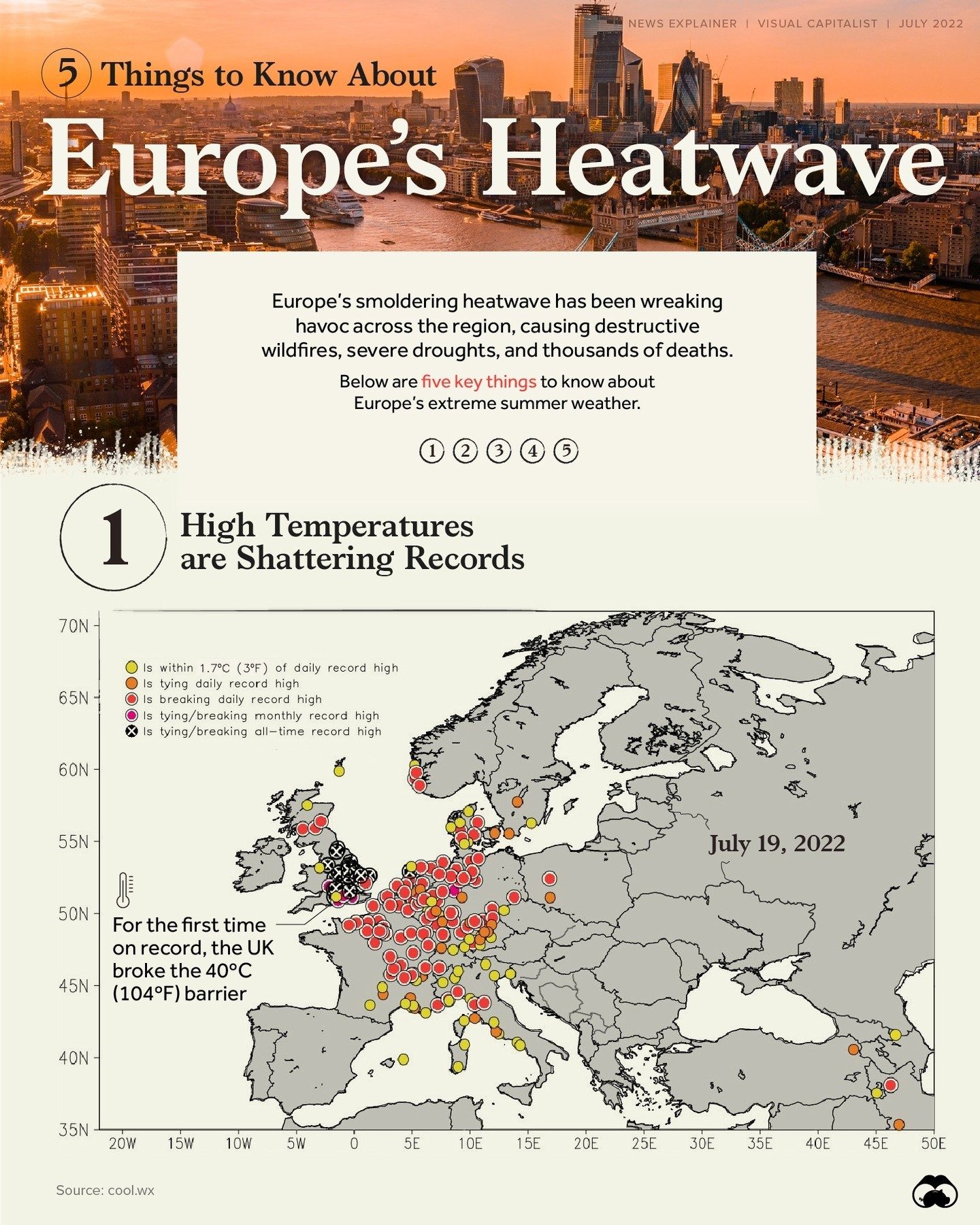
Europe is currently enduring record-breaking temperatures and an intense heatwave. The extreme heat is causing disruptive wildfires, severe droughts, and an alarming number of deaths. Understanding the scope and implications of this heatwave is crucial as experts worry that this could be the new normal for the region.
Why This Matters
The recent heatwave in Europe is more than just a temporary weather event. It's a stark reminder of the ongoing climate crisis and its far-reaching effects. The extreme temperatures and their consequences, such as wildfires and droughts, have disrupted daily life, strained resources, and raised serious concerns about public health and infrastructure. Additionally, the shift in energy demands has highlighted the complexities of transitioning to cleaner energy sources amidst sudden shortages. Understanding these dynamics is vital for both immediate responses and long-term planning.
Main Discussion
Record-Shattering Temperatures
Temperatures across Europe have been breaking records, with some areas experiencing temperatures well above their typical averages. The infographic highlights that these high temperatures are not isolated events but part of a broader pattern of increasing heatwaves. The intensity and frequency of these heatwaves have been rising, making them a significant concern for public health and sustainability. The persistent high temperatures have led to severe health risks, particularly for vulnerable populations such as the elderly and those with pre-existing health conditions.
Wildfires
The heatwave has significantly increased the number of wildfires across Europe. The number of fires this year has exceeded the average seen between 2006 and 2021. Wildfires not only destroy vast areas of land and wildlife but also pose severe threats to communities and infrastructure. The smoke from these fires can cause respiratory issues and exacerbate existing health conditions. The infographic shows that the number of fires has been particularly high this year, indicating a direct link to the heatwave.
Energy Demands
The heatwave has led to a surge in energy demand, particularly for cooling systems. This increased demand has created an awkward situation for energy providers who have had to revert to fossil fuels to meet the heightened energy needs. This shift back to "dirty" fuel sources is a significant setback for Europe, which has long been a leader in green energy. Countries like Germany have had to restart obsolete fossil fuel plants and extend the operating licenses for others to meet the increased demand. This situation underscores the need for more resilient and sustainable energy solutions that can handle extreme weather events without compromising environmental goals.
Climate Change and Jetstream Patterns
Climate change is undoubtedly a contributing factor to the increasing frequency and intensity of heatwaves. However, the phenomenon is complex and influenced by various factors, including jetstream patterns. The jetstream, a fast-flowing air current in the atmosphere, has been observed to split more frequently and for longer periods. This splitting creates an area of weak winds and high-pressure air, which is conducive to the buildup of extreme heat. As the jetstream over Europe becomes more unstable, the number of heatwaves has increased significantly. Understanding these patterns is crucial for predicting and preparing for future heatwaves.
Role of Climate Change
Climate change is a major driver of the increasing frequency and intensity of heatwaves. The rising global temperatures and changing weather patterns are making extreme heat events more common. The climate crisis is not just about rising temperatures; it's about the cascading effects on ecosystems, economies, and public health. The heatwave in Europe is a stark reminder of the urgent need for global action to mitigate climate change and adapt to its impacts.
Practical Tips
Staying Safe During Heatwaves
As heatwaves become more frequent and intense, staying safe during these events is crucial. Here are some practical tips to help you stay safe:
-
Stay Hydrated: Drink plenty of water throughout the day, even if you don't feel thirsty. This helps regulate your body temperature and prevents dehydration.
-
Stay Cool: Use air conditioning if available, or stay in the coolest parts of your home. Fans can help circulate air but won't lower the temperature. Taking cool showers or baths can also help lower your body temperature.
-
Avoid Peak Hours: Avoid outdoor activities during the hottest part of the day, typically between 11 am and 3 pm. If you must be outside, wear lightweight, light-colored clothing, a hat, and sunscreen.
-
Check on Vulnerable Individuals: Older adults, young children, and those with chronic health conditions are more susceptible to heat-related illnesses. Regularly check on them and ensure they have access to cooling and hydration.
-
Prepare Your Home: Keep your home cool by closing curtains and blinds during the day to block out the sun. Use fans and air conditioners if available. Ensure your home is well-ventilated and consider installing window shades or reflective films to reduce heat gain.
-
Plan for Power Outages: Extreme heat can sometimes lead to power outages, especially if the demand for energy surges. Have a backup plan, such as a generator or a cooler with ice, in case of power outages.
Supporting Public Health
Communities can also take collective actions to support public health during heatwaves:
-
Community Cooling Centers: Establish cooling centers in public spaces such as libraries, community centers, and schools. These centers can provide a safe and cool environment for those without access to air conditioning.
-
Outreach Programs: Implement outreach programs to check on vulnerable individuals, such as the elderly and those with disabilities, to ensure they have access to necessary resources.
-
Public Awareness Campaigns: Launch public awareness campaigns to educate the community on the dangers of heatwaves and how to stay safe. Share information about the symptoms of heat-related illnesses and when to seek medical help.
-
Support for Essential Services: Ensure that essential services, such as healthcare facilities, public transportation, and emergency services, are well-prepared to handle the increased demand during heatwaves. This includes having adequate supplies, such as water and cooling equipment, and ensuring that staff are trained to recognize and treat heat-related illnesses.
Important Takeaways
The heatwave in Europe is a multifaceted issue with far-reaching implications. Understanding the causes, effects, and the complex interplay of factors—from jetstream patterns to energy demands—is essential. As we face an increasingly unpredictable climate, proactive measures and sustainable solutions will be key in mitigating the impacts of future heatwaves.
Conclusion
The current heatwave in Europe is a stark reminder of the urgent need for action on climate change. The extreme temperatures, wildfires, and energy demands highlight the complexities of our current situation and the need for innovative, sustainable solutions. By staying informed and taking proactive steps, individuals and communities can better prepare for and mitigate the impacts of these extreme weather events.
Watch the Reel
Questions readers ask
What caused the extreme temperatures and wildfires in Europe in 2022?
The extreme temperatures and wildfires in Europe during 2022 were primarily driven by a combination of climate change and specific weather patterns. Higher global temperatures have led to more frequent and severe heatwaves, while dry conditions have fueled intense wildfires. This combination has made the 2022 heatwave one of the most disruptive in recent history.
What areas of Europe have seen the most severe impacts from the heatwave?
The most severe impacts have been felt in the Mediterranean region, with countries like Greece, Italy, and Spain experiencing record-breaking temperatures and widespread wildfires. However, the heatwave has also affected northern and central European countries, leading to significant public health concerns and infrastructure challenges.
What are the key impacts on public health due to the heatwave?
The heatwave has led to an alarming number of deaths, particularly among the elderly and vulnerable populations. High temperatures can exacerbate existing health conditions, cause heatstroke, and dehydrate individuals. Additionally, the smoke from wildfires has led to respiratory problems, further straining healthcare systems.
How is the European energy transition being affected by the heatwave?
The heatwave has disrupted energy demands, leading to increased use of energy for cooling. This has put a strain on power grids and highlighted the need for more efficient and renewable energy sources. The shift in energy demands has also underscored the importance of transitioning to cleaner, more resilient energy systems to mitigate future impacts.
What role do climate change and wildfires play in determining the new normal for weather in Europe?
Climate change is significantly influencing the frequency and severity of heatwaves and wildfires in Europe. As global temperatures continue to rise, experts predict that such extreme weather events will become more common, making them the new normal. This shift underscores the urgency of addressing climate change and its impacts on weather patterns and public health.
What can individuals do to protect themselves during a heatwave?
During a heatwave, it's important to stay hydrated, avoid prolonged exposure to the sun, and seek cool indoor spaces. Check on vulnerable neighbors, such as the elderly or those with health conditions, and ensure they are safe and hydrated. Additionally, follow local health guidelines and be aware of any public cooling centers or resources available in your area.
What measures are being taken to mitigate the effects of wildfires in Europe?
European countries are implementing a range of measures to combat wildfires, including improved fire detection and response systems, controlled burns, and reforestation efforts. Public awareness campaigns are also underway to inform residents about fire prevention and safety. Additionally, there is a growing focus on climate resilience and sustainable forest management practices to reduce the risk of future wildfires.
Related deep dives
Similar reads based on topic and creator.


Recent articles
Fresh deep dives from the latest Reels we unpacked.




Comments
Be the first to comment.