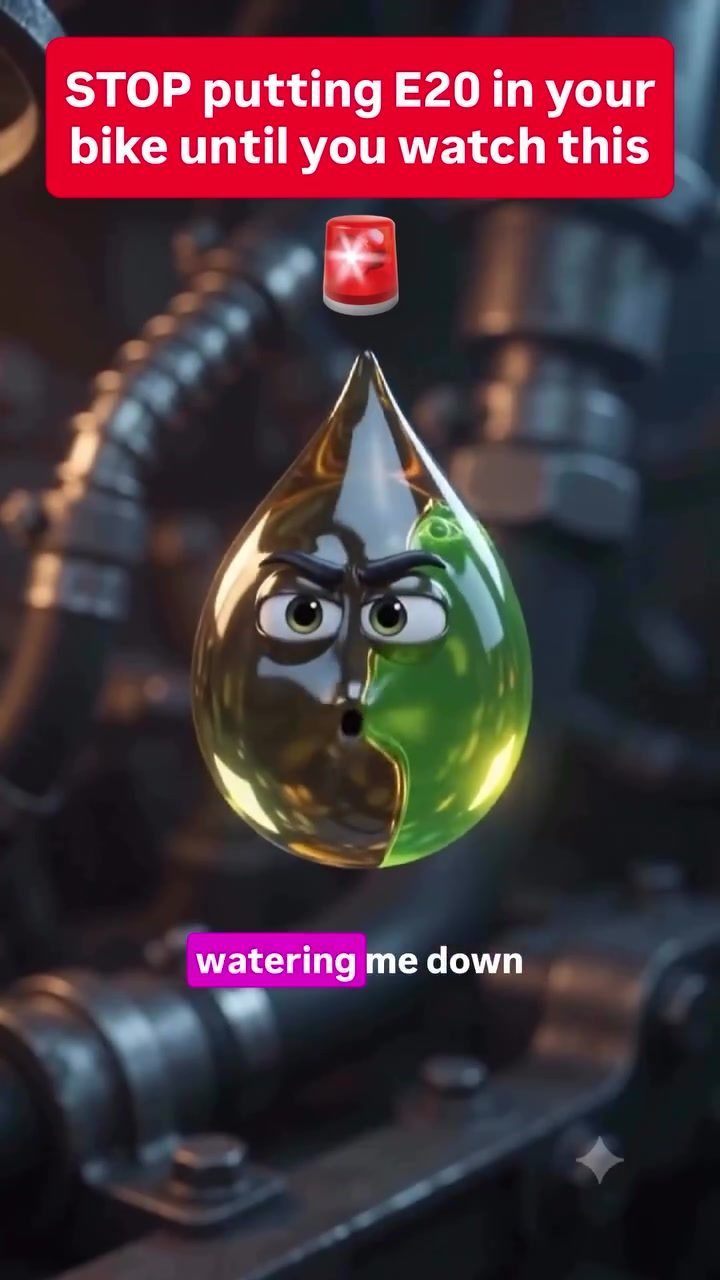
The Difference Between Ethanol and Petrol: A Journey Through Fuel Types
The conversation between ethanol and petrol reveals crucial differences that impact engine performance, fuel efficiency, and environmental effects. Understanding these distinctions can help car owners make informed decisions about the fuel they choose for their vehicles.
Context: Why This Matters
Fuel selection is more than just a matter of filling up the tank. It affects engine health, generates emissions, and has economic implications. Ethanol, derived from sugarcane, is increasingly promoted as a renewable fuel. Petrol, on the other hand, is the traditional fuel. Both have their strengths and weaknesses, which need to be carefully weighed.
Ethanol and Petrol: The Key Differences
Energy Content and Efficiency
Petrol has a higher energy density compared to ethanol. This means petrol produces more energy per unit volume, resulting in better mileage. Ethanol, containing about 20% sugarcane juice, has a lower energy density. When used in vehicles, ethanol fuel can lead to lower mileage, making it less efficient for daily driving. This is particularly noticeable in older vehicles that are not optimized for ethanol.
Emissions and Environmental Impact
Ethanol is produced from renewable resources like sugarcane, making it more environmentally friendly. It burns cleaner, producing fewer harmful emissions compared to petrol. Ethanol is also a natural solvent, capable of cleaning the engine from the inside out, which can be beneficial for engine performance. However, petrol, despite being imported and often more expensive, has a long-established reputation in the automotive industry due to its energy density, which is why it is still the go-to fuel for many.
Cost and Economic Implications
One of the significant advantages of ethanol is its economic impact. Ethanol is made from Indian sugarcane, which puts money directly into the pockets of local farmers. This not only supports the local economy but also promotes sustainable agricultural practices. However, ethanol has a major drawback: it attracts moisture from the air. In older vehicles, this can lead to severe engine rust and potential engine failure, causing significant financial loss.
Engine Compatibility
For newer vehicles, E20 (a fuel blend containing 20% ethanol and 80% petrol) is increasingly becoming the fuel of the future. It is clean, green, and made in India, supporting both environmental and economic goals. However, compatibility is a critical factor. Older vehicles may suffer from engine rust and other issues when using E20, making petrol a safer choice. The future of fuel seems to lean towards E20, but vehicle age and condition must be considered.
Practical Tips for Choosing the Right Fuel
For Older Vehicles
If you own an older vehicle, it's advisable to stick with pure petrol. Ethanol's moisture-attracting properties can cause significant engine damage, leading to costly repairs. Petrol, despite being imported and expensive, remains the safer option for older engines.
For Newer Vehicles
For newer vehicles, E20 is a viable and environmentally friendly option. It offers a cleaner burn and supports local economic activity. It is advisable to consult the vehicle's manual or a mechanic to ensure that E20 is suitable for your vehicle.
Mixing Fuel Types
It’s a common practice to mix fuel types, especially when switching from petrol to ethanol. However, this should be done with caution. Sudden changes in fuel type can affect engine performance and efficiency, leading to unexpected issues. It’s always best to transition gradually and monitor the vehicle’s performance closely.
Important Takeaways
Ethanol vs. Petrol
Ethanol and petrol each have their unique advantages and disadvantages. Ethanol, with its renewable and environmentally friendly properties, is a promising fuel of the future. However, its moisture-attracting properties make it unsuitable for older vehicles. Petrol, with its higher energy density, remains the reliable choice for older engines.
E20: The Future of Fuel
E20 is the future of fuel, especially for newer vehicles. It offers a clean, green, and locally produced fuel option. While it has environmental and economic benefits, its compatibility with older vehicles must be considered.
Engine Health and Fuel Choice
Fuel choice significantly impacts engine health and performance. Older vehicles need petrol to avoid engine rust and damage, while newer vehicles can benefit from E20. Proper fuel selection ensures engine longevity and performance.
Conclusion
The choice between ethanol and petrol, and the emerging E20 blend, is a multifaceted decision. It involves balancing environmental concerns, economic impacts, and engine compatibility. For older vehicles, petrol remains the safer choice, while newer vehicles can embrace the environmentally friendly E20. Each fuel type has its merits, and understanding these differences ensures that car owners make the right choice for their vehicles.
Watch the Reel
Questions readers ask
What does a lower energy density in ethanol mean for my car's performance?
Ethanol has a lower energy density than petrol, which means it contains less energy per unit volume. Therefore, your car may need more ethanol to cover the same distance as it would with petrol, potentially leading to more frequent refuels and slightly reduced overall range on a full tank.
Does using ethanol affect my car's emissions?
Yes, ethanol can help reduce emissions. Ethanol produces fewer harmful emissions compared to petrol, making it a more environmentally friendly choice. However, the overall impact depends on factors such as how the ethanol is produced and distributed.
How does ethanol compare to petrol in terms of fuel efficiency?
Ethanol typically provides lower fuel efficiency compared to petrol. This is due to its lower energy content, which means your car may consume more ethanol to achieve the same level of performance as it would with petrol.
Can I use ethanol in any car?
Not all cars are compatible with ethanol, especially those not designed to handle higher ethanol blends. It's crucial to check your vehicle's manual or consult with the manufacturer to determine if your car can use ethanol and what blend is recommended. Using the wrong fuel can cause engine damage.
What kind of impact does ethanol have on engine performance?
Ethanol can have both positive and negative impacts on engine performance. On one hand, it can help clean the engine due to its solvent properties. On the other hand, prolonged use of ethanol can potentially cause issues like corrosion or damage to certain engine components, especially in older vehicles.
Why does petrol generally offer better mileage than ethanol?
Petrol offers better mileage because it has a higher energy density. This means that petrol provides more energy per unit volume, allowing your vehicle to travel further on a full tank. As a result, petrol typically delivers better fuel efficiency compared to ethanol, which has a lower energy content.
Is ethanol a viable long-term fuel option for all vehicle types?
Ethanol is a viable long-term fuel option for many modern vehicles, particularly those designed to handle ethanol blends. However, not all vehicles can use ethanol without modifications. Additionally, the availability and infrastructure for ethanol distribution need to be considered when evaluating its long-term viability as a primary fuel source.
Related deep dives
Similar reads based on topic and creator.



Recent articles
Fresh deep dives from the latest Reels we unpacked.




Comments
Be the first to comment.