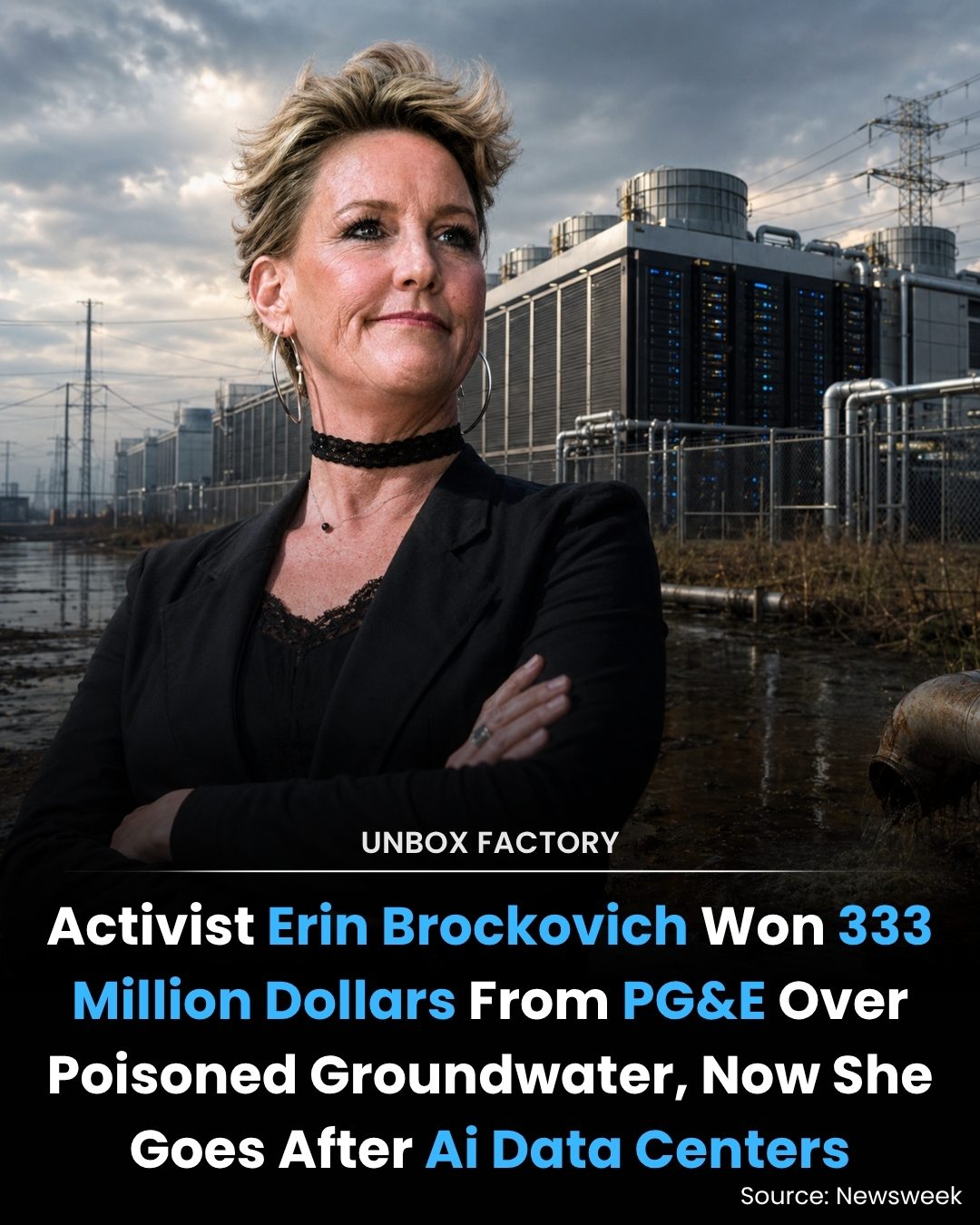
Erin Brockovich's Activism Against AI Data Centers
Environmental activist Erin Brockovich, known for her significant legal victory against PG&E, is now shifting her focus to a new battle: the environmental impact of AI data centers. Brockovich's legal campaign in Hinkley, California, led to a $333 million settlement against PG&E for groundwater contamination. Now, she is concerned about the rapid expansion of AI data centers and their growing demand for electricity and freshwater.
Why This Matters
The rapid growth of AI technology is driving an unprecedented demand for data processing power, which in turn requires vast amounts of energy and water. Large hyperscale AI facilities can consume millions of gallons of water daily for cooling and require hundreds of megawatts to more than 1 gigawatt of electricity. This energy consumption is enough to power hundreds of thousands of homes, raising significant concerns about sustainability and environmental impact.
The Impact of AI Data Centers
AI data centers are essential for powering the advanced technologies that drive modern industries. However, their environmental footprint is considerable. These facilities demand massive amounts of freshwater and electricity, often straining local resources. The cooling systems in these data centers alone can consume millions of gallons of water daily. Additionally, the electricity required to operate these centers can range from hundreds of megawatts to over 1 gigawatt, equivalent to the power needed for hundreds of thousands of homes.
The Environmental Concerns
The environmental impact of these data centers is multifaceted. The primary concerns include:
- Water Usage: The cooling systems in these facilities require significant amounts of freshwater, which can put a strain on local water resources. This is particularly concerning in areas where water is already scarce.
- Energy Consumption: The energy required to run these data centers is immense. This high demand for electricity often relies on fossil fuels, contributing to carbon emissions and climate change.
- Local Strain: Communities near these facilities may face increased pressure on their local resources, affecting everything from water availability to energy costs.
Erin Brockovich's Advocacy
Brockovich is advocating for greater transparency and accountability in the operation of AI data centers. She argues that communities should have access to detailed information about water use, environmental impacts, and the strain these facilities place on local resources. Her goal is to ensure that the rapid expansion of AI infrastructure does not come at the cost of environmental sustainability.
Practical Tips for Sustainable AI Infrastructure
To mitigate the environmental impact of AI data centers, several practical steps can be taken:
- Efficient Cooling Systems: Investing in more efficient cooling technologies can reduce water consumption. Methods like evaporative cooling, which uses less water, or air-cooled systems can be more sustainable.
- Renewable Energy Sources: Transitioning to renewable energy sources like solar, wind, or hydroelectric power can significantly reduce the carbon footprint of data centers. Many tech companies are already making this shift.
- Water Recycling: Implementing water recycling systems can help reduce the strain on local water resources. Techniques like rainwater harvesting and wastewater treatment can be used to minimize freshwater usage.
- Community Involvement: Regularly engaging with local communities and providing them with detailed information about water use, environmental impacts, and measures being taken to mitigate these impacts can build trust and support.
Important Takeaways
The rapid expansion of AI technology brings both opportunities and challenges. While AI data centers are essential for powering advanced technologies, their environmental impact is a growing concern. Brockovich’s advocacy highlights the importance of sustainable practices in the operation of these facilities. By investing in efficient cooling systems, transitioning to renewable energy sources, recycling water, and engaging with local communities, the environmental impact of AI data centers can be significantly reduced.
Conclusion
As AI technology continues to advance, it is crucial to address the environmental challenges it presents. Environmental activist Erin Brockovich’s concerns about AI data centers underscore the need for sustainable practices in the operation of these facilities. By taking proactive steps to mitigate their environmental impact, we can ensure that the benefits of AI technology are not overshadowed by the costs to our planet.
Watch the Reel
Questions readers ask
Why is Erin Brockovich focusing on AI data centers now?
Erin Brockovich is shifting her focus to AI data centers due to their significant environmental impact. These centers consume vast amounts of energy and freshwater, posing challenges to sustainability, especially in areas already struggling with water scarcity.
How much water do AI data centers typically use?
Large hyperscale AI data centers can consume millions of gallons of water daily, primarily for cooling purposes. This high demand for water raises concerns about groundwater depletion and strains local resources.
What are the main environmental challenges posed by AI data centers?
The primary environmental challenges include high electricity consumption, which contributes to carbon emissions, and excessive water usage, which can lead to groundwater depletion and exacerbate water scarcity in local communities.
What kind of impact do AI data centers have on local communities?
AI data centers can strain local resources, particularly water, and contribute to environmental degradation. In areas with existing water scarcity, the high water demand from these centers can further exacerbate challenges for residents.
What solutions are being considered to mitigate the environmental impact of AI data centers?
Potential solutions include transitioning to renewable energy sources, implementing more efficient cooling systems that reduce water usage, and advocating for stricter regulations to ensure sustainable practices in data center operations.
Related deep dives
Similar reads based on topic and creator.



Recent articles
Fresh deep dives from the latest Reels we unpacked.




Comments
Be the first to comment.