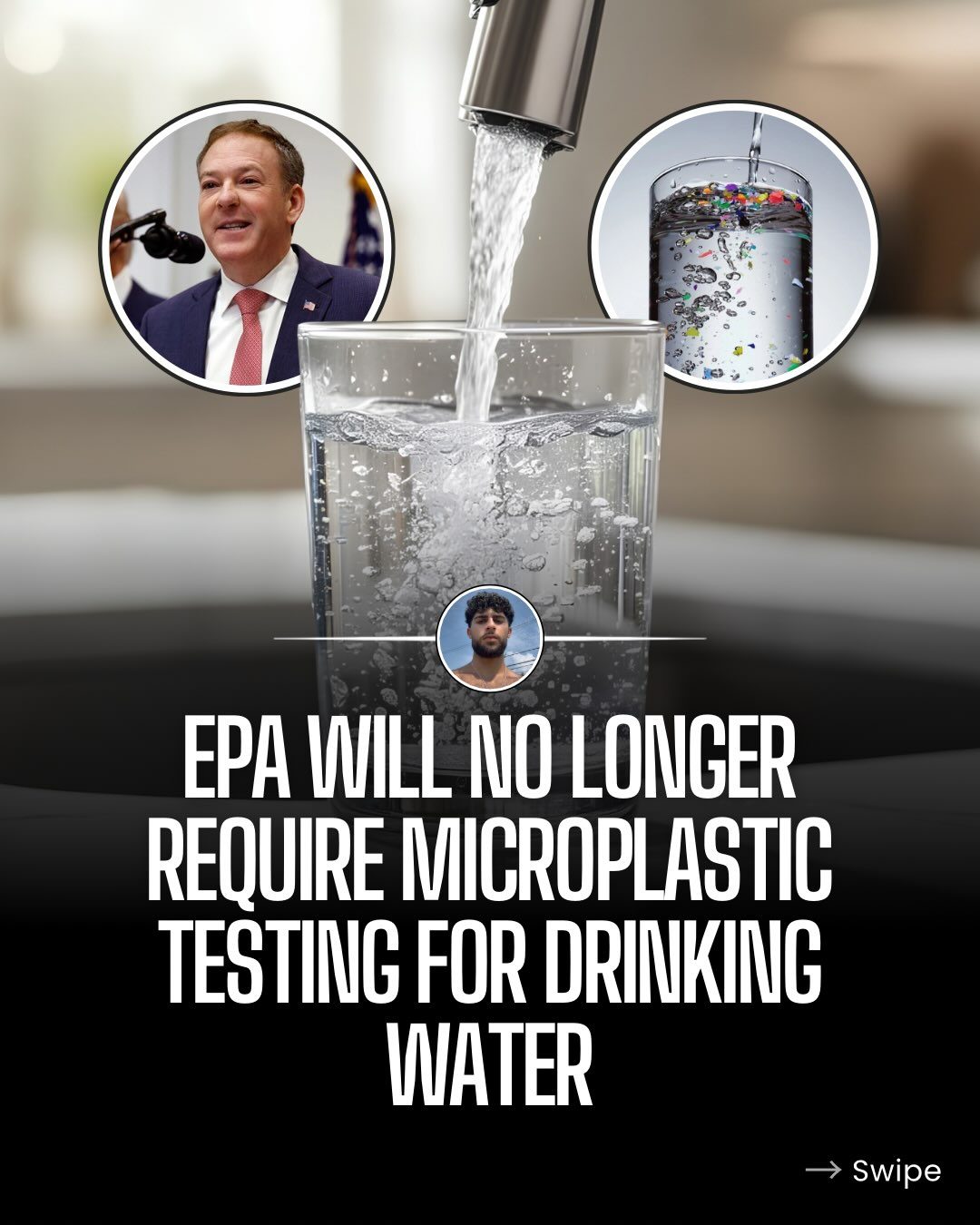
EPA's Decisions on Microplastic and Pharmaceutical Testing in Drinking Water
Drinking water safety has long been a concern for environmentalists and health experts, particularly with the rise of microplastics and pharmaceutical contamination. Recent developments by the Environmental Protection Agency (EPA) have brought this issue to the forefront. Let’s delve into the EPA's decisions and their implications.
Why This Matters
Microplastics and pharmaceuticals in drinking water pose significant health risks. These small plastic particles and drug residues have been found in various parts of the human body, including blood, brains, and lung tissue. The EPA’s recent decision to no longer require testing for these contaminants in drinking water is a major shift that contradicts previous promises and raises concerns about public health and environmental safety.
Understanding the EPA's Announcement
The EPA has declared that public water utilities will no longer be mandated to test for microplastics or pharmaceuticals in drinking water. This decision is a significant departure from the promises made by former EPA Administrator Lee Zeldin, who pledged in April 2026 to prioritize testing for microplastics and pharmaceutical contamination. The contradiction between these promises and the current policy highlights the shifting priorities of the agency.
The EPA's Current Stance
The EPA's announcement means that water utilities will not be required to test for microplastics or pharmaceuticals for at least the next five years. This delay in updating the list of substances to be tested for could have far-reaching consequences. It raises questions about the agency's commitment to protecting public health and the environment from emerging contaminants.
Historical Context and Contradictions
Lee Zeldin, during his tenure as EPA Administrator, made several promises to address the growing concerns about microplastics in drinking water. These promises were driven by scientific research and environmental advocacy, which highlighted the potential risks of microplastics to human health. The current decision to discontinue testing for microplastics and pharmaceuticals contradicts these assurances and leaves many environmentalists and scientists concerned.
Implications for Public Health
The presence of microplastics and pharmaceuticals in drinking water is a serious health concern. Scientific studies have shown that these contaminants can have detrimental effects on human health, including potential links to various diseases and health issues. The EPA's decision not to require testing for these contaminants means that the public may be exposed to these risks without adequate monitoring or control measures.
Health Risks Associated with Microplastics
Microplastics are tiny plastic particles that can enter the human body through various means, including drinking contaminated water. These particles have been found in people’s blood, brains, and even lung tissue, raising concerns about their potential long-term health effects. While more research is needed to fully understand the extent of these risks, the absence of testing means that the public will be unaware of the level of contamination in their drinking water.
Pharmaceuticals in Drinking Water
Pharmaceuticals in drinking water are another significant concern. These residues can come from a variety of sources, including improper disposal of medications and ineffective wastewater treatment. When these drugs enter the water supply, they can have unintended health effects on humans and the environment. The EPA's decision not to require testing for pharmaceuticals means that these contaminants may go undetected, posing potential risks to public health.
Practical Tips for Consumers
While the EPA's decision may seem disheartening, there are steps consumers can take to protect themselves from potential contaminants in their drinking water.
Filtering and Treatment
Using water filters can be an effective way to reduce the presence of microplastics and pharmaceuticals in drinking water. Some filters are specifically designed to remove these contaminants. Look for filters that are certified by reputable organizations, such as the NSF International, to ensure their effectiveness.
Staying Informed
Staying informed about local water quality is crucial. Many water utilities provide regular reports on water quality, including the presence of contaminants. Consumers should access these reports and stay updated on any changes in water quality. Additionally, advocacy groups and environmental organizations often provide information and resources on water quality and contamination.
Advocating for Change
Consumers can also play a role in advocating for change. By voicing concerns and advocating for stricter regulations, consumers can push for better water quality standards and more comprehensive testing for contaminants. Engaging with local policymakers and environmental groups can help bring attention to this important issue and drive meaningful change.
Important Takeaways
The EPA's decision to no longer require testing for microplastics and pharmaceuticals in drinking water is a significant development with far-reaching implications. Here are the key takeaways:
- The EPA's current policy contradicts previous promises made by former Administrator Lee Zeldin, raising concerns about the agency's commitment to public health and environmental safety.
- Microplastics and pharmaceuticals in drinking water pose significant health risks, and the absence of testing means that the public may be exposed to these risks without adequate monitoring.
- Consumers can take practical steps to protect themselves, such as using water filters and staying informed about local water quality.
- Advocating for change and pushing for stricter regulations can help address this important issue and ensure better protection for public health and the environment.
Conclusion
The EPA's decision not to require testing for microplastics and pharmaceuticals in drinking water is a concerning development. While the agency's current stance may leave consumers vulnerable to potential health risks, there are steps that individuals can take to protect themselves. By staying informed, using effective water treatment methods, and advocating for change, consumers can play an active role in ensuring the safety of their drinking water. The issue of microplastics and pharmaceuticals in drinking water is complex and multifaceted, but with concerted effort and awareness, it is possible to address these challenges and protect public health.
Watch the Reel
Questions readers ask
Why did the EPA decide to drop testing for microplastics in drinking water?
The EPA's decision to drop mandatory testing for microplastics in drinking water is a reversal of previous commitments. The agency has not provided a clear reason for this shift, but it means that water utilities will not be required to test for these contaminants for at least five years. This decision has raised concerns among health and environmental experts about the potential risks of microplastic contamination in drinking water.
What are the health implications of this decision?
Microplastics and pharmaceuticals in drinking water have been linked to various health issues. The EPA's decision not to require testing for these contaminants could potentially expose communities to these harmful substances. Without testing, it will be challenging to monitor and understand the extent of contamination and its effects on public health.
How does this affect water quality standards?
This decision significantly impacts water quality standards. By not mandating testing for microplastics and pharmaceuticals, the EPA is effectively removing a key measure that could help ensure the safety of drinking water. This leaves a gap in water quality monitoring and enforcement, which could lead to a lack of transparency regarding the presence of these contaminants in drinking water.
What role do water utilities play in this new policy?
Water utilities are now without the regulatory pressure to test for microplastics and pharmaceuticals in drinking water. This means that utilities may not have the necessary resources or incentives to monitor for these contaminants, potentially leading to a lack of data on the presence and levels of these pollutants in the water supply. This could hinder their ability to ensure the safety of the water they provide to consumers.
Are there any alternatives to mandatory testing?
While the EPA has dropped mandatory testing, water utilities and local governments can still take proactive measures. They can voluntarily implement testing protocols for microplastics and pharmaceuticals, collaborate with research institutions, or advocate for stronger regulations to address these contaminants. Additionally, public awareness and advocacy can push for changes in policy and enforcement at the federal and state levels.
What can individuals do to protect themselves from microplastics in drinking water?
Individuals can take steps to protect themselves, such as using water filters designed to remove microplastics and other contaminants. Staying informed about local water quality reports and supporting advocacy groups that push for stricter regulations and testing can also help. Additionally, reducing plastic waste and proper disposal of pharmaceuticals can help minimize the entry of these contaminants into the water supply.
What are the next steps for addressing these issues?
Advocacy and public pressure are crucial next steps. Communities and environmental groups can lobby for stronger regulations and enforcement of water quality standards. Additionally, ongoing research and development in water treatment technologies can provide new solutions to detect and remove microplastics and pharmaceuticals from drinking water, ensuring greater safety for all.
Related deep dives
Similar reads based on topic and creator.




Recent articles
Fresh deep dives from the latest Reels we unpacked.



Comments
Be the first to comment.