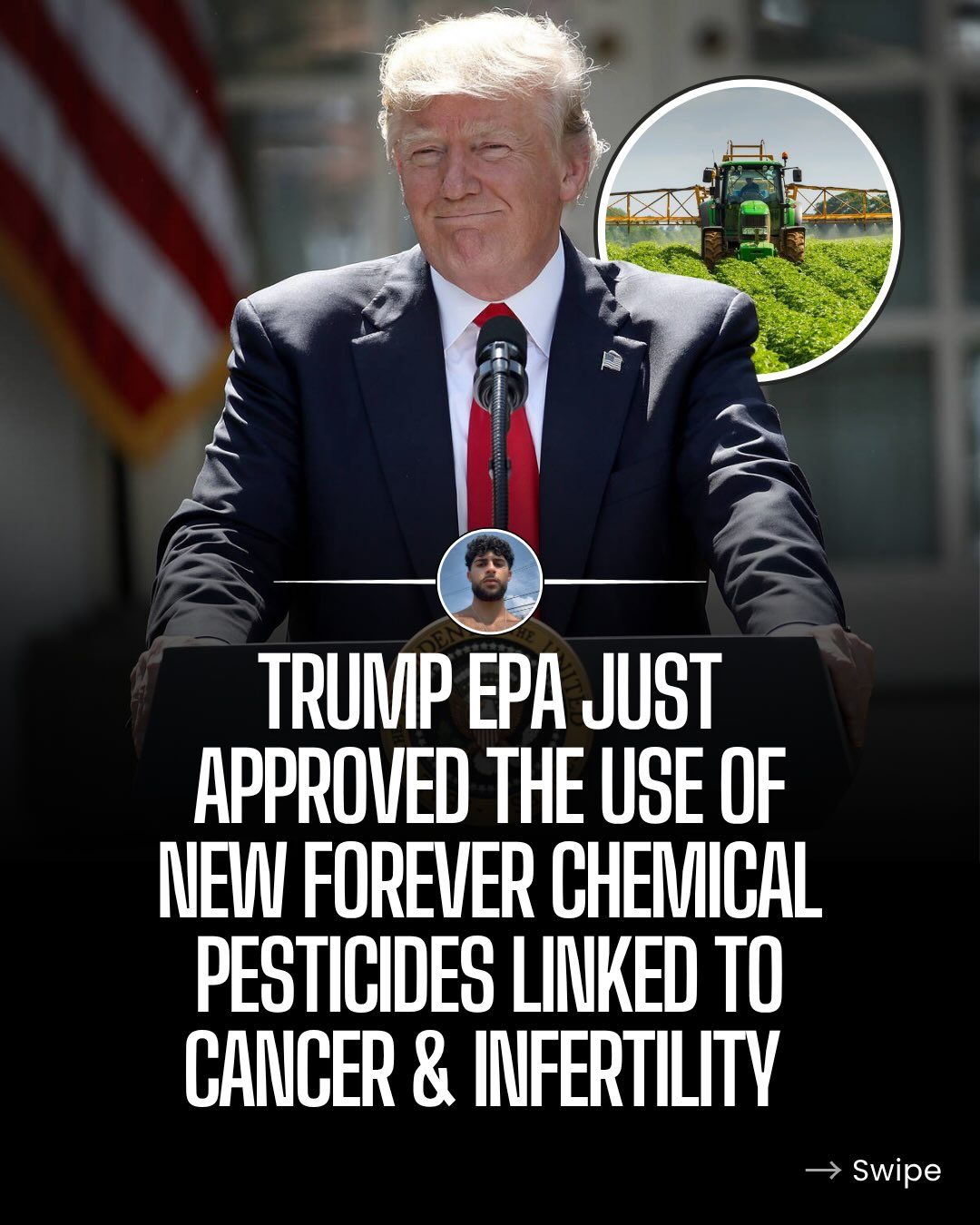
Pesticide Approval Controversy
The approval of new pesticides by the Trump administration's EPA has sparked a significant controversy, particularly regarding the fast-tracked approval of PFAS or "forever chemicals." These chemicals have been classified as such by environmental groups due to their persistent nature and potential health risks.
Context / Why this matters
The EPA's decision to fast-track these approvals, despite issuing executive orders to study pesticide health risks, has drawn backlash from health and environmental advocates. The primary concern revolves around the potential long-term consequences of these chemicals, which are linked to serious health issues, environmental damage, and wildlife collapse.
Main discussion
Understanding PFAS chemicals
PFAS, or per- and polyfluoroalkyl substances, are a group of man-made chemicals that include PFOA, PFOS, and other related chemicals. These chemicals are called "forever chemicals" because they do not break down and can accumulate in the environment and the human body over time. PFAS chemicals have been used in various industries for their resistance to heat, oil, grease, and water. They can be found in a wide range of products, including non-stick cookware, water-repellent clothing, and fast food wrappers.
Health risks associated with PFAS
The health risks associated with PFAS chemicals are a major cause for concern. Exposure to these chemicals has been linked to a range of serious health issues, including:
- Cancer: PFAS have been linked to various types of cancer, including kidney and testicular cancer.
- Infertility: Exposure to PFAS has been associated with infertility and other reproductive issues.
- Developmental issues: PFAS exposure can impact the development of fetuses and children, potentially leading to developmental delays and other health problems.
- Immune system effects: Some studies suggest that PFAS exposure can weaken the immune system, making individuals more susceptible to infections and diseases.
Environmental impact of PFAS
In addition to human health concerns, PFAS chemicals pose a significant threat to the environment. These chemicals do not break down naturally and can persist in the environment for extended periods. As a result, they can contaminate streams, rivers, and other bodies of water, as well as soil. This environmental contamination can have devastating effects on wildlife, leading to population declines and even species extinction.
Agricultural implications
The agricultural industry is particularly affected by the use of PFAS chemicals. These chemicals are often used in pesticides to protect crops from pests and diseases. However, their persistence in the environment means that they can accumulate in soil and water, contaminating the food chain and potentially harming both crops and livestock. The images of cornfields and polluted water in the video underscore the potential long-term consequences of these chemicals on agricultural landscapes and the broader ecosystem.
Practical tips
Reducing exposure to PFAS
Given the potential health and environmental risks associated with PFAS, it is essential to take steps to reduce exposure. Some practical tips for reducing exposure to PFAS include:
- Avoiding products containing PFAS: Opt for products that do not contain these chemicals, such as PFAS-free cookware and water-repellent clothing.
- Filtering drinking water: Install a water filter certified to remove PFAS chemicals, especially if you live in an area known for PFAS contamination.
- Eating a varied diet: Consuming a varied diet can help reduce the risk of exposure to PFAS through food, as these chemicals can accumulate in certain types of food, such as fish and meat.
Advocating for change
Individuals can also play a role in advocating for change by:
- Supporting environmental organizations: Contributing to organizations that work to reduce the use of PFAS and other harmful chemicals.
- Contacting representatives: Reaching out to local and national representatives to express concerns about PFAS and push for stronger regulations and oversight.
Important takeaways
The approval of new pesticides, including PFAS or "forever chemicals," by the Trump administration's EPA has significant implications for both human health and the environment. These chemicals, which do not break down and can accumulate in the environment and the human body, pose severe risks, including cancer, infertility, developmental issues, and immune system effects. Furthermore, their environmental impact can lead to wildlife collapse and the contamination of agricultural lands.
Conclusion
The fast-tracked approval of PFAS pesticides highlights the need for greater scrutiny and oversight in the regulation of these chemicals. As the potential health and environmental risks become more apparent, it is crucial for individuals, organizations, and policymakers to work together to reduce exposure and advocate for stricter regulations. By taking practical steps to minimize exposure and supporting efforts to limit the use of these harmful chemicals, we can help protect both human health and the environment.
Watch the Reel
Questions readers ask
Why are 'forever chemicals' called that, and why are they controversial in the context of pesticides?
'Forever chemicals,' or PFAS, are called as such because they persist in the environment and do not break down over time. In the context of pesticides, they are controversial due to their potential to accumulate in the environment and pose long-term health risks to humans and wildlife, including issues like cancer, infertility, and developmental problems. Thus, their use in pesticides raises concerns about environmental contamination and public health.
What is the significance of the EPA's fast-tracked approval of PFAS-containing pesticides?
The EPA's fast-tracked approval of these pesticides is significant because it has bypassed typical regulatory processes, raising concerns about the potential risks that may not have been fully assessed. The approvals were granted despite the EPA's own executive orders to study the health risks of pesticides, which has led to criticism from health and environmental advocates.
Which health issues are linked to the use of PFAS in pesticides?
PFAS chemicals have been associated with numerous serious health issues, which can be exacerbated by their use in pesticides. These issues include cancer, infertility, and developmental problems, all of which can affect both humans and wildlife. Additionally, PFAS have been linked to immune system dysfunction and metabolic disorders.
What are the environmental risks of using PFAS in pesticides?
PFAS in pesticides pose several environmental risks. They can contaminate soil and water, leading to bioaccumulation in plants, animals, and humans. This contamination can result in wildlife collapse and ecosystem degradation. As they do not degrade over time, the environmental risks persist for generations, making remediation challenging and costly.
What is the EPA's role in regulating pesticides, especially those containing PFAS?
The EPA is responsible for approving and regulating pesticides to ensure they do not pose unreasonable risks to human health or the environment. However, the fast-tracked approval of PFAS-containing pesticides under the Trump administration has drawn criticism for potentially bypassing thorough assessments of these risks. The EPA's regulations are under scrutiny to ensure adequate protection against the potential long-term effects of these chemicals.
How do PFAS chemicals enter the food supply and affect consumers?
PFAS can enter the food supply through contaminated crops, livestock, and fish. When PFAS-containing pesticides are used in agriculture, they can accumulate in the soil and water, leading to contamination of the food chain. Consumers may be exposed to these chemicals through their diet, potentially leading to long-term health effects. Additionally, PFAS can migrate into drinking water, further increasing exposure.
What are the potential impacts of PFAS in pesticides on agricultural practices?
The use of PFAS in pesticides can have significant impacts on agricultural practices. Over time, these chemicals can contaminate farmland, making it difficult to grow crops or raise livestock safely. Additionally, the contamination of agricultural products can lead to economic losses for farmers and reduced availability of safe, healthy food for consumers. The potential long-term health effects and environmental damage also pose significant challenges for the agriculture industry.
Related deep dives
Similar reads based on topic and creator.




Recent articles
Fresh deep dives from the latest Reels we unpacked.




Comments
Be the first to comment.