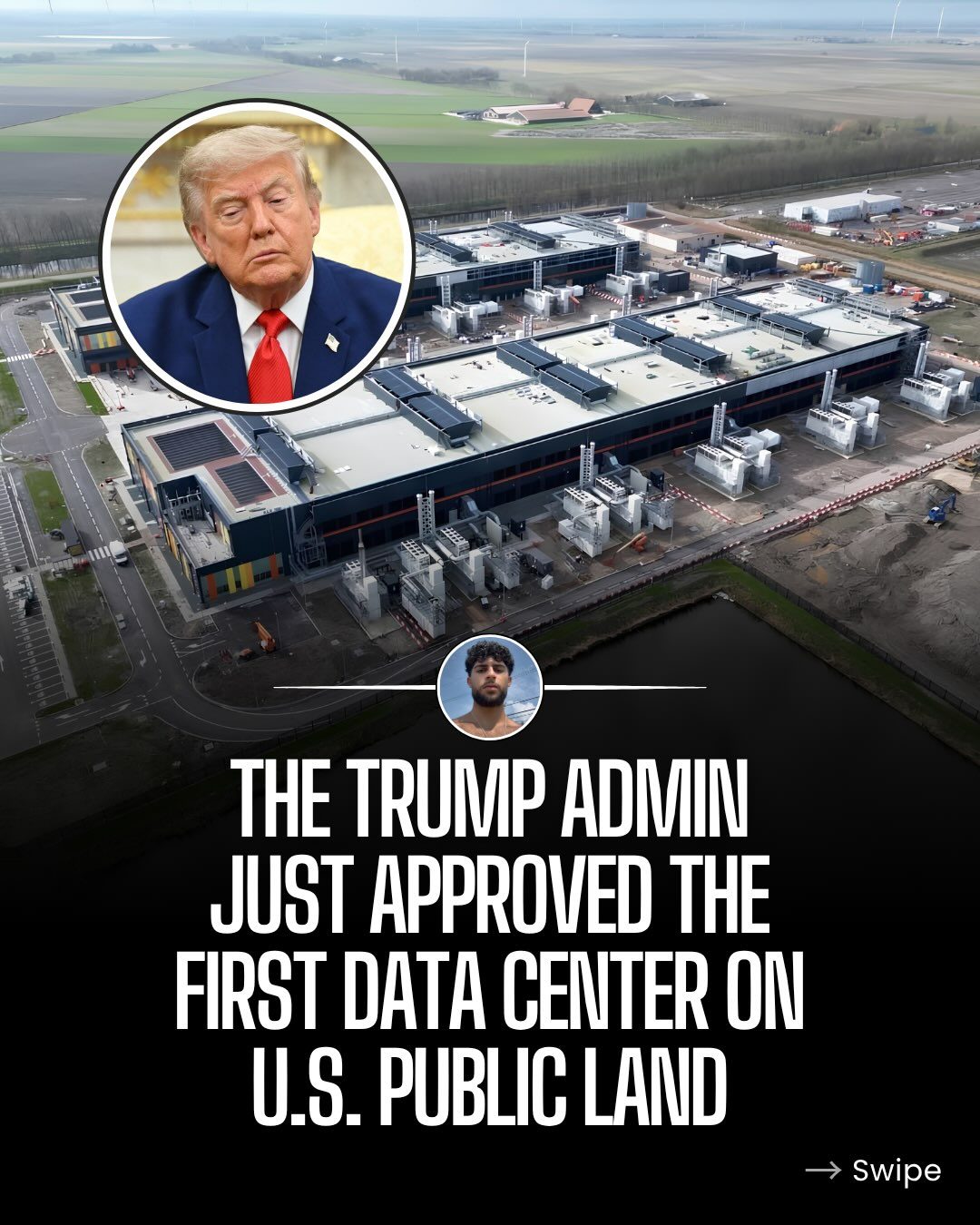
The First Data Center on U.S. Public Land
The Trump Administration's recent approval of the first data center on U.S. public land has sparked significant debate. This 88.5-acre facility, located in southern Nevada, is more than just a new data center; it's a precedent-setting decision. This development could open the floodgates for more industrial projects on public lands, which are often home to diverse wildlife and fragile ecosystems.
Context: Why This Matters
Public lands in the United States are managed by various federal agencies, with the Bureau of Land Management (BLM) overseeing a significant portion. These lands are not only rich in natural resources but also provide critical habitats for numerous species. The approval of a data center on these lands sets a precedent that could lead to further industrial development, potentially disrupting these delicate ecosystems. The Nevada desert, in particular, is home to various wildlife, including desert tortoises, bighorn sheep, and kit foxes. As conservationists warn, the approval of this data center could pave the way for more such developments, further endangering these species and their habitats.
Main Discussion
The Data Center and Its Location
The data center, spanning 88.5 acres, is situated in southern Nevada. This region is known for its arid climate and unique wildlife. The decision to build a data center here is significant because it marks the first time a data center has been approved on U.S. public land. The BLM's approval of this project has raised concerns among conservation groups, who fear that it could set a dangerous precedent for future developments.
Conservation Concerns
One of the primary concerns surrounding this development is the potential impact on local wildlife. The Nevada desert is home to a variety of species, many of which are already threatened or endangered. The construction and operation of a data center could disrupt their habitats, leading to a decline in their populations. Conservation groups have highlighted the presence of desert tortoises, bighorn sheep, kit foxes, burrowing owls, and migratory birds, among others, in the area. These species rely on the fragile desert ecosystems for survival, and any disruption could have severe consequences.
Environmental Impact
The environmental impact of this data center goes beyond just the wildlife. The construction process itself can lead to soil erosion, water pollution, and air pollution. Additionally, the energy consumption of a data center is significant, which could put a strain on local resources. Conservation groups worry that this development could lead to more industrial projects on public lands, further exacerbating these issues.
Economic Considerations
While the environmental and conservation concerns are significant, it's also important to consider the economic aspects. Data centers require considerable investment and create jobs, both during construction and operation. However, the long-term economic benefits must be weighed against the potential environmental costs. The decision to build on public land, rather than private land, raises questions about the balance between economic development and environmental conservation.
Practical Tips
For those concerned about the impact of this data center and potential future developments, there are several steps you can take:
- Stay Informed: Keep up-to-date with the latest developments and decisions regarding public lands and industrial projects.
- Get Involved: Participate in local conservation efforts and advocacy groups. Your voice can make a difference in shaping policies and decisions.
- Support Sustainable Practices: Encourage and support data centers and other industries that prioritize sustainability and minimal environmental impact.
- Advocate for Policy Changes: Push for policies that prioritize the preservation of public lands and the protection of wildlife.
Important Takeaways
The approval of the first data center on U.S. public land is a significant event with far-reaching implications. While the immediate impact is on the Nevada desert, the precedent set by this decision could affect public lands across the country. It's crucial to consider the environmental and conservation concerns, as well as the economic benefits, when evaluating such developments. The delicate balance between economic development and environmental conservation will continue to be a key issue in the future.
Conclusion
The approval of a data center on public land in southern Nevada is a complex issue with significant environmental and economic implications. As the debate continues, it's essential to consider all aspects of the decision, from the impact on local wildlife to the long-term economic benefits. By staying informed, getting involved, and advocating for sustainable practices, we can help shape a future that balances development with environmental conservation.
Watch the Reel
Questions readers ask
What makes the data center in Nevada unique?
The data center in southern Nevada is unique because it is the first of its kind to be approved on U.S. public land. This approval sets a significant precedent, as it could open the door for more industrial projects on public lands, which are often home to diverse wildlife and fragile ecosystems.
What are the primary environmental concerns surrounding this data center?
The primary environmental concerns involve the potential disruption to habitats and wildlife that rely on the delicate desert ecosystems of southern Nevada. The data center could set a precedent for more industrial projects on public lands, threatening the unique biodiversity and natural resources found in these areas.
Which agency oversees the public lands where the data center is being constructed?
The Bureau of Land Management (BLM) is the federal agency responsible for overseeing the public lands where the data center is being constructed. The BLM manages a significant portion of U.S. public lands, which are rich in natural resources and provide critical habitats for numerous species.
What potential impacts could this data center have on local wildlife?
The data center could potentially disrupt the habitats of local wildlife, including species that rely on the desert ecosystems in southern Nevada. This disruption could affect the balance of these ecosystems and the survival of certain species in the region.
What regulations are in place for the data center’s environmental impact?
As of the latest updates, the regulatory framework specifically for data centers on public land in Nevada is not well-defined. This lack of clarity is one of the concerns that conservationists have raised, as it could lead to more industrial developments without adequate environmental safeguards.
How might this data center influence future public land development policies?
The approval of this data center could influence future public land development policies by setting a precedent. If the data center is successful and environmental impacts are managed, it could pave the way for more industrial projects on public lands, while also placing more emphasis on the need for strict environmental regulations and conservation efforts.
What steps can be taken to mitigate the environmental impact of this data center?
To mitigate the environmental impact, developers and regulators should focus on implementing stringent conservation measures. This includes conducting thorough environmental impact assessments, establishing protected zones around the data center to preserve wildlife habitats, and promoting sustainable practices in the construction and operation of the facility.
Related deep dives
Similar reads based on topic and creator.



Recent articles
Fresh deep dives from the latest Reels we unpacked.



Comments
Be the first to comment.