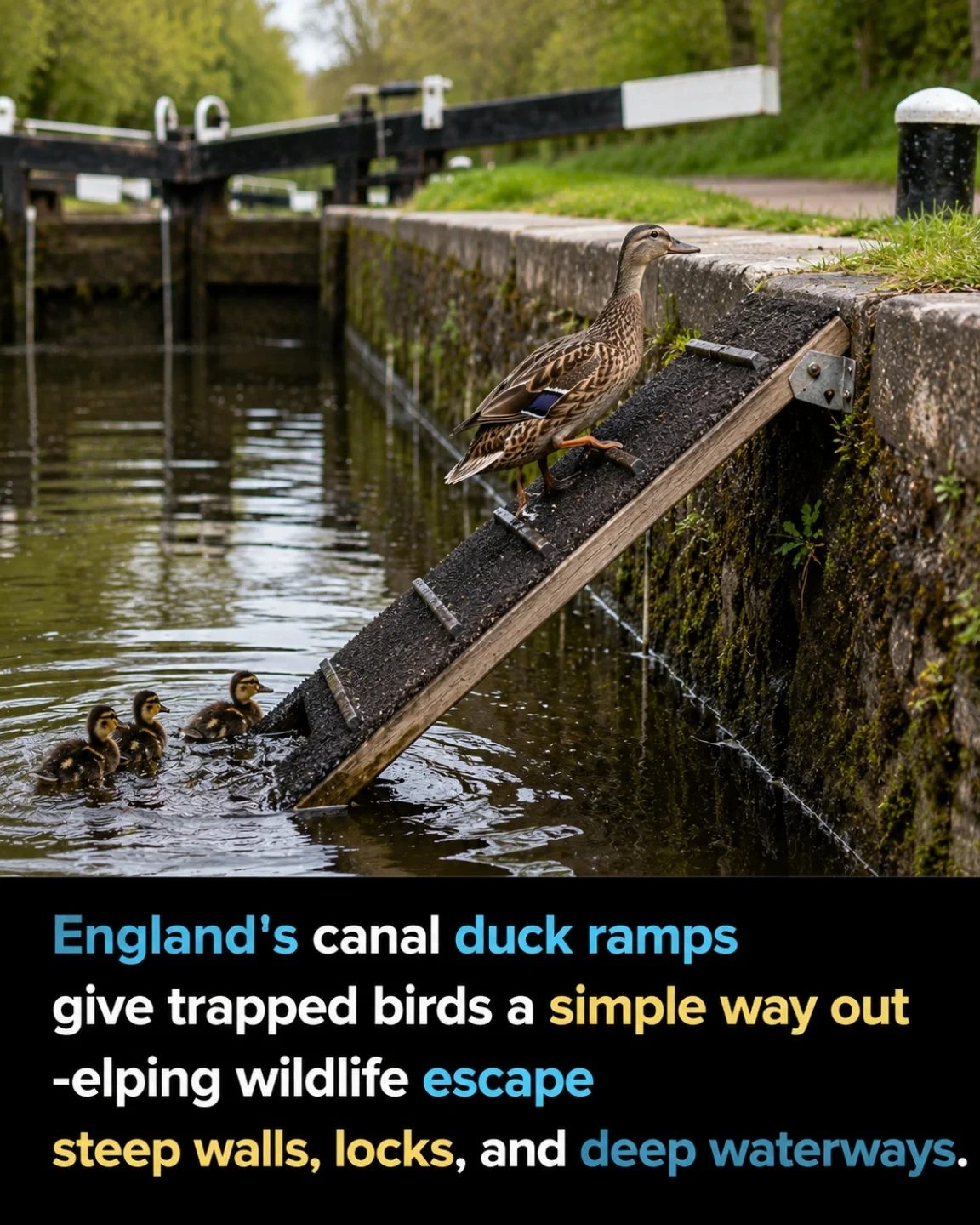
Wildlife Canal Ramps: A Vital Conservation Effort in England
Wildlife canal ramps are critical structures designed to aid animals, particularly ducks and ducklings, in navigating the challenges posed by steep canal walls, locks, and deep waterways. These ramps provide a safe and accessible route for wildlife to escape what would otherwise be insurmountable obstacles. This initiative is particularly notable in England, where it plays a significant role in wildlife conservation efforts.
Why This Matters
Canals are integral to England's landscape and infrastructure, but they also present significant hazards to local wildlife. Steep canal walls and deep waters can trap animals, making it difficult for them to return to the land or find food and shelter. Wildlife canal ramps address this issue by creating a safe passage for animals, which not only promotes their survival but also maintains the ecological balance of the area. These ramps are particularly beneficial for ducks and ducklings, who are often seen using them to climb up from the water.
The Design and Function of Wildlife Canal Ramps
Materials and Construction
Wildlife canal ramps are typically constructed from durable materials that can withstand exposure to water and weather. The design often includes a gentle slope that animals can easily navigate. The ramp is usually secured to the canal walls to ensure stability and prevent accidental displacement. The surface of the ramp is often textured or equipped with small indentations to provide better grip, making it easier for animals to climb.
Placement and Accessibility
The placement of these ramps is crucial for their effectiveness. They are strategically installed in areas where wildlife is most likely to encounter steep walls, locks, and deep waterways. This ensures that the ramps are easily accessible to the animals that need them most. The design of the ramps is also tailored to the specific needs of ducks and ducklings, who often require a gentle incline to safely exit the water.
Practical Tips for Supporting Wildlife Conservation in Urban Settings
Installing Wildlife-Friendly Structures
One of the most effective ways to support wildlife conservation in urban settings is by installing wildlife-friendly structures such as canal ramps. These structures can be installed by local communities, conservation organizations, or even individuals who are passionate about wildlife. By providing safe passages, these structures help animals navigate urban environments more safely and efficiently.
Educational Outreach and Community Involvement
Educational outreach programs and community involvement are essential for the success of wildlife conservation efforts. By raising awareness about the importance of wildlife canal ramps, communities can be encouraged to support and participate in these initiatives. This can include volunteer work, fundraising, and spreading the word about the benefits of these structures to wildlife and the environment.
Monitoring and Maintenance
Regular monitoring and maintenance are crucial for ensuring the effectiveness of wildlife canal ramps. This involves checking the condition of the ramps, repairing any damage, and ensuring they are free from debris. Local authorities and conservation organizations can play a vital role in this regard by conducting regular inspections and providing necessary maintenance.
Important Takeaways
Wildlife canal ramps are a vital component in the conservation of wildlife in urban settings. These structures provide a safe and accessible route for animals to navigate steep canal walls, locks, and deep waterways. By supporting and installing these ramps, communities can play a significant role in maintaining the ecological balance and promoting the survival of local wildlife, particularly ducks and ducklings. Engaging in educational outreach programs, community involvement, and regular maintenance can further enhance the effectiveness of these conservation efforts.
Conclusion
Wildlife canal ramps are a testament to how thoughtful human intervention can support nature in urban environments. These structures not only provide a safer passage for wildlife but also contribute to the overall health of local ecosystems. By understanding the design and function of these ramps, and by engaging in efforts to maintain and promote them, we can all contribute to the well-being of wildlife in our communities.
Watch the Reel
Questions readers ask
What are canal ramps and why are they important for ducklings in England?
Canal ramps are specially designed structures placed along England's canals that help ducklings and other wildlife navigate steep canal walls and deep water. They are essential for providing safe passage, preventing animals from getting trapped, and aiding in their survival. This is crucial for maintaining the ecological balance in England's waterways.
How do canal ramps aid in the survival of ducks and ducklings?
Canal ramps offer a gentle slope that allows ducklings to easily climb out of the water and onto the canal banks. This is particularly important for young ducklings, who may struggle with the steep walls and deep water, helping them escape potential hazards and find food and shelter on land.
What materials are used to build these wildlife canal ramps in England?
The canal ramps in England are typically constructed with durable, eco-friendly materials like concrete or wood. They are designed to withstand various weather conditions and heavy use. These materials ensure that the ramps remain accessible and functional for years, providing long-term benefits for local wildlife.
How do canal ramps impact the overall ecological balance of the canals?
By providing safe access to and from the water, canal ramps help maintain the natural behavior and movement of wildlife, ensuring that animals can access food, shelter, and nesting sites. This promotes a healthy and diverse ecosystem within the canals, supporting a variety of plant and animal species.
What role do canal ramps play in wildlife conservation efforts in England?
Canal ramps are a key component of wildlife conservation initiatives in England. They mitigate the risks posed by man-made obstacles, like steep canal walls, that can harm or trap wildlife. By offering safe passage, these structures contribute to the survival and well-being of local animal populations, particularly young and vulnerable species like ducklings.
Are canal ramps only beneficial for ducks and ducklings, or do they assist other wildlife as well?
While canal ramps are especially beneficial for ducks and ducklings, they also assist a variety of other wildlife. Many other animals may be found around these structures, including birds, small mammals, and other water species, that face similar challenges navigating steep canal walls and deep waterways.
Related deep dives
Similar reads based on topic and creator.




Recent articles
Fresh deep dives from the latest Reels we unpacked.



Comments
Be the first to comment.