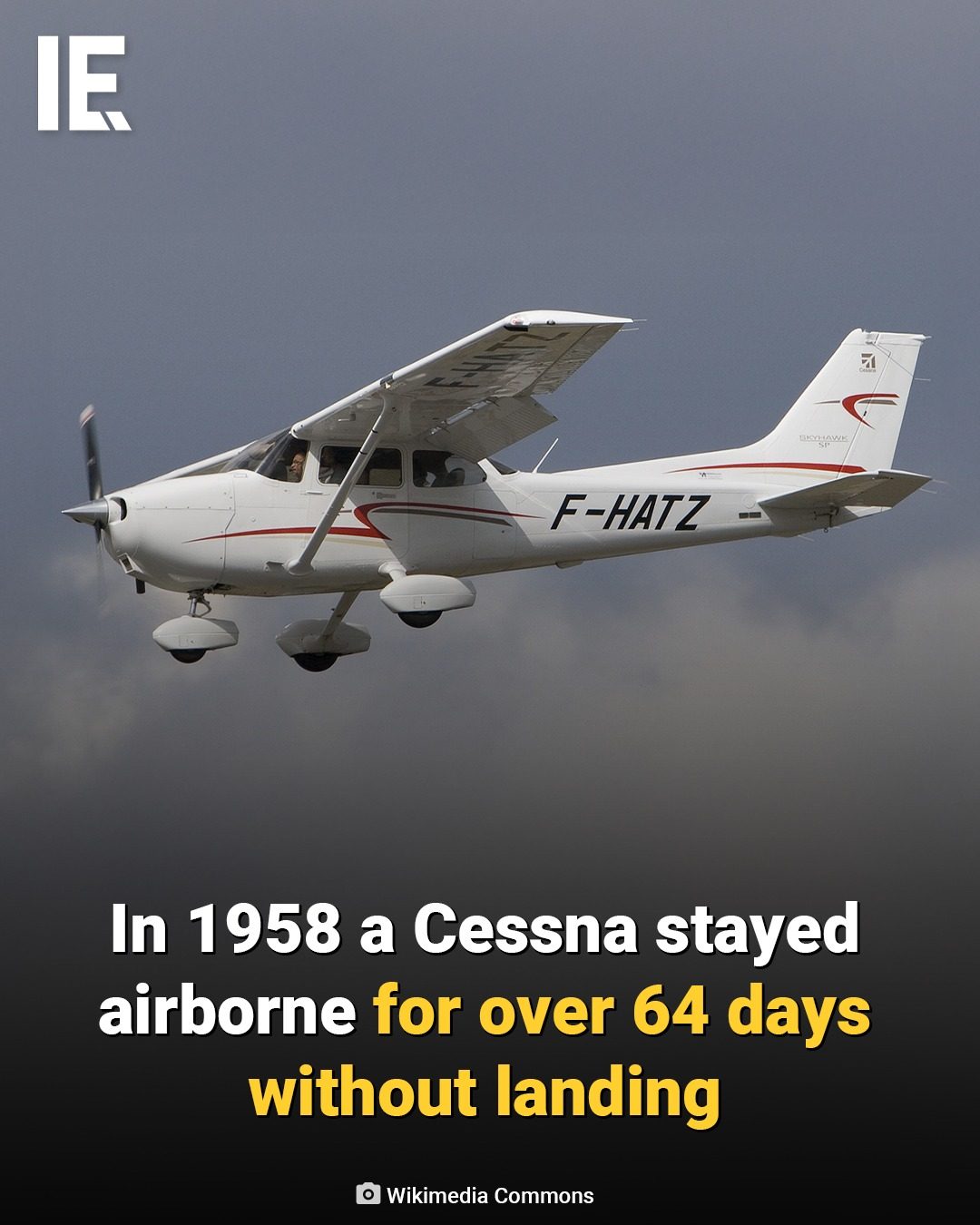
The Remarkable Story of the 64-Day Flight
In the late 1950s, a daring feat of aviation captured the world's attention. Two pilots flew a modified Cessna 172 continuously for over two months, setting a record that still stands today. The aircraft, labeled 'F-HATZ', is now famously known as the Boyhawke. This extraordinary stunt showcased the limits of human endurance and technological capability.
A Promotion and an Engineering Marvel
The flight was orchestrated as a promotional stunt for a Las Vegas casino, which added an element of spectacle to the already impressive engineering challenge. It involved precise coordination, extreme endurance, and constant risk management. The pilots not only had to manage the logistics of staying airborne but also had to perform midair refueling and engine maintenance, demonstrating the innovative solutions required to sustain flight over such an extended period.
The Technical Challenges
The flight required meticulous planning and execution. One of the most significant challenges was the refueling process, which involved midair transfers from a truck. This required precise timing and coordination, as any mistake could have catastrophic consequences. Additionally, the aircraft had to be well-maintained while airborne, adding another layer of complexity to the operation. Performing engine maintenance in the air required specialized tools and techniques, further showcasing the ingenuity of the pilots and engineers involved.
The Legacy of the Flight
More than six decades later, no aircraft has surpassed this nonstop flight record. This accomplishment highlights the remarkable advancements in aviation technology from that era. It serves as a benchmark for the endurance and capability of modern aircraft, raising questions about whether modern aviation technology would even attempt such a feat today. The flight remains a testament to human ingenuity and a significant milestone in aviation history.
Modern Aviation and Historical Records
Today, the Boyhawke, like other vintage aircraft, continues to inspire awe and admiration. The flight remains a remarkable story in aviation history, particularly for enthusiasts interested in the boundaries of human and technological achievement. As aviation technology advances, it is intriguing to consider how such a feat might be attempted or surpassed with modern capabilities.
The Importance of Aviation Records
Records like the 64-day flight are important milestones in aviation history. They demonstrate the evolution of flight technology and the resilience of aviation engineers and pilots. Such records also inspire future generations to push the boundaries of what is possible and to innovate continuously. The Boyhawke, with its historical significance, stands as a symbol of these achievements.
Practical Tips
For aviation enthusiasts and historians, understanding the significance of such flights can offer valuable insights into the development of modern flight technology. Here are a few practical tips:
- Study Historical Records: Dive into the records of significant aviation milestones to understand the advancements and challenges faced by pilots and engineers.
- Understand the Technology: Explore the technical aspects of vintage aircraft and how they compare to modern planes.
- Learn from Pioneers: Read about the pioneers who pushed the boundaries of aviation and draw inspiration from their stories.
- Visit Aviation Museums: Many museums house vintage aircraft and offer in-depth looks at historical flights, providing a hands-on learning experience.
Important Takeaways
The 64-day flight of the Boyhawke is a remarkable story of human ingenuity and technological prowess. It showcases the challenges and triumphs of aviation history and serves as a benchmark for future innovations. The flight also highlights the importance of historical records in understanding the evolution of flight technology.
Conclusion
The modified Cessna 172's 64-day flight is a testament to the courage and skill of the pilots and the advancements in aviation technology from the late 1950s. The Boyhawke remains a symbol of this extraordinary achievement, inspiring ongoing interest in aviation history and future innovations.
Watch the Reel
Questions readers ask
Who were the pilots of the Boyhawke 64-Day Flight and what challenges did they face?
The pilots of the Boyhawke 64-Day Flight were not specified in the article. The pilots faced numerous challenges, including managing the logistics of staying airborne for 64 days. They needed to perform midair refueling, coordinate with ground crews, and maintain the aircraft's systems. This required extreme endurance, constant vigilance, and precise coordination.
How was the Boyhawke 64-Day Flight used for promotional purposes?
The Boyhawke 64-Day Flight was initially organized as a promotional stunt for a Las Vegas casino. This added an element of spectacle to the already impressive engineering challenge, as the flight aimed to capture global attention and generate publicity for the casino.
What kind of aircraft was used for the Boyhawke 64-Day Flight?
The aircraft used for the Boyhawke 64-Day Flight was a modified Cessna 172, which was labeled 'F-HATZ' and later became famously known as the Boyhawke. The modifications were necessary to support the prolonged period in flight and to ensure the feasibility of the venture.
What technological innovations were crucial for this flight?
Midair refueling was a crucial technological innovation for the Boyhawke 64-Day Flight. This process allowed the aircraft to remain in the air for an extended period, without landing for fuel. Additionally, the aircraft was equipped with systems to withstand the prolonged exposure to the elements and the mechanical stresses of continuous flight.
What is the historical significance of the Boyhawke 64-Day Flight?
The Boyhawke 64-Day Flight is marked by its historical significance as the longest continuous flight in aviation history, completed in the late 1950s. It showcased the limits of human endurance and technological ingenuity, setting a record that still stands today.
How was risk managed during the Boyhawke 64-Day Flight?
Risk management during the Boyhawke 64-Day Flight involved constant coordination and meticulous planning. The pilots needed to be vigilant at all times, performing midair refueling and maintaining the aircraft's systems. Ground crews were also essential for support and monitoring, ensuring the safety and success of the flight.
Related deep dives
Similar reads based on topic and creator.


Recent articles
Fresh deep dives from the latest Reels we unpacked.




Comments
Be the first to comment.