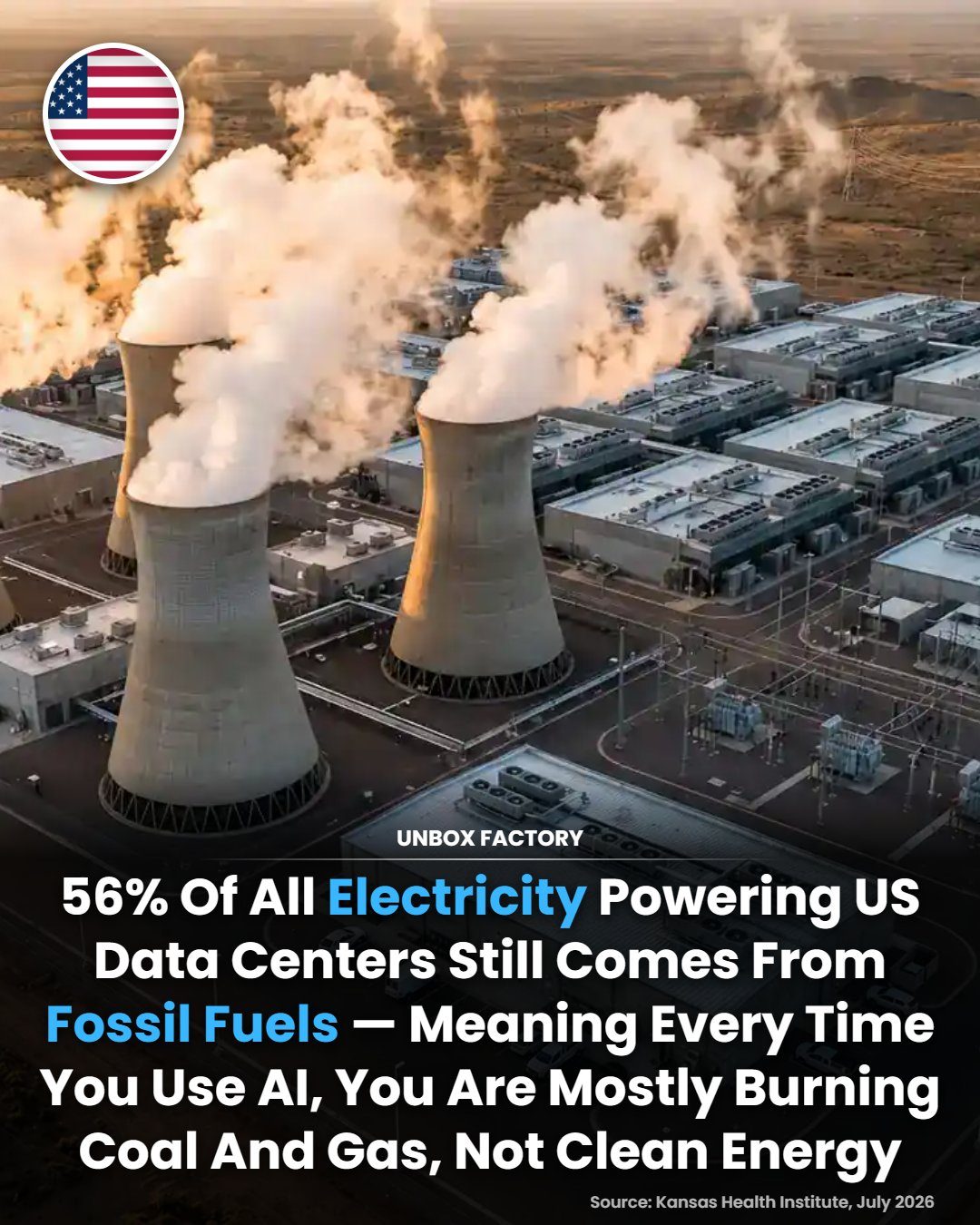
Electricity Powering U.S. Data Centers
Despite significant investments in renewable energy sources, a substantial portion of the electricity powering U.S. data centers still comes from fossil fuels. Approximately 56% of the electricity used by these data centers is generated from natural gas and coal, according to recent analysis. This dependency on fossil fuels is concerning, especially as the demand for electricity to power artificial intelligence (AI) and other computational tasks continues to skyrocket.
Why This Matters
The reliance on fossil fuels for data centers has significant environmental and economic implications. Data centers are already one of the fastest-growing sources of electricity demand in the United States. Forecasts suggest that by 2028, they could consume up to 12% of the total U.S. electricity supply. This increased demand, coupled with the continued use of fossil fuels, could exacerbate greenhouse gas emissions and contribute to climate change.
Moreover, the environmental impact of data centers is not just about emissions. The water consumption for cooling these facilities and the electronic waste generated are also significant concerns. Understanding the environmental footprint of data centers is crucial for developing sustainable practices and policies.
The Role of AI
Artificial intelligence is driving a surge in computing demand. AI algorithms require massive amounts of data and processing power, which translates to higher electricity consumption. As AI applications become more ubiquitous, the electricity demand for data centers will continue to rise.
The electricity powering these data centers often comes from conventional power plants that burn coal and gas, rather than clean energy sources like solar, wind, or nuclear power. This reliance on fossil fuels is a major obstacle in the transition to a sustainable energy future.
Major Technology Companies' Efforts
Major technology companies are investing billions of dollars in renewable energy sources, including nuclear power, solar, wind, battery storage, and geothermal energy. These investments aim to reduce emissions and lessen the environmental impact of data centers. However, despite these efforts, fossil fuels continue to supply a significant portion of the grid during peak demand periods.
Fossil Fuel Dependency
The primary sources of electricity for data centers are natural gas and coal. While these fossil fuels provide reliable power, they also emit high levels of greenhouse gases and other pollutants. The continuous use of these fuels is a significant obstacle in the transition to a cleaner and more sustainable energy grid.
The Need for Sustainable Energy Solutions
The transition to renewable energy sources is not just an environmental necessity but also an economic imperative. Renewable energy sources like solar, wind, and geothermal are becoming increasingly cost-effective. They can provide reliable and sustainable power to meet the growing demand for electricity in data centers.
However, the transition to renewable energy requires significant investment in infrastructure and technology. This includes upgrading the power grid, developing energy storage solutions, and improving energy efficiency in data centers. Additionally, policies and regulations that encourage the use of renewable energy and penalize the use of fossil fuels can drive this transition.
Practical Tips
For Data Center Operators
Data center operators can take several steps to reduce their reliance on fossil fuels:
- Invest in Renewable Energy: Installing on-site renewable energy sources like solar panels or wind turbines can help data centers generate their own clean electricity.
- Energy Efficiency: Improving energy efficiency through better hardware, optimized software, and efficient cooling systems can significantly reduce electricity consumption.
- Energy Storage: Implementing energy storage solutions like batteries can help data centers store excess renewable energy for use during peak demand periods.
- Collaborate with Utilities: Partnering with utility companies to ensure a reliable supply of renewable energy is crucial for sustainable operations.
For Technology Companies and AI Users
Technology companies and AI users can also play a role in promoting sustainable energy solutions:
- Invest in Green Technology: Support companies that invest in renewable energy and sustainable technology.
- Promote Energy Efficiency: Encourage the use of energy-efficient hardware and software solutions.
- Advocate for Policy Changes: Advocate for policies that promote the use of renewable energy and regulate the use of fossil fuels.
Important Takeaways
The electricity powering U.S. data centers still predominantly comes from fossil fuels, despite significant investments in renewable energy. This reliance on fossil fuels poses environmental and economic challenges, particularly as the demand for AI and computational tasks continues to grow. Technology companies and data center operators must take proactive steps to reduce their reliance on fossil fuels and transition to sustainable energy sources.
Conclusion
Transitioning to a sustainable energy future for data centers is not just an environmental responsibility but also an economic necessity. By investing in renewable energy, improving energy efficiency, and developing energy storage solutions, we can significantly reduce the environmental impact of data centers. This transition will require concerted efforts from data center operators, technology companies, and policymakers. Together, we can ensure that the electricity powering our digital future is clean, reliable, and sustainable.
Watch the Reel
Related deep dives
Similar reads based on topic and creator.



Recent articles
Fresh deep dives from the latest Reels we unpacked.




Comments
Be the first to comment.