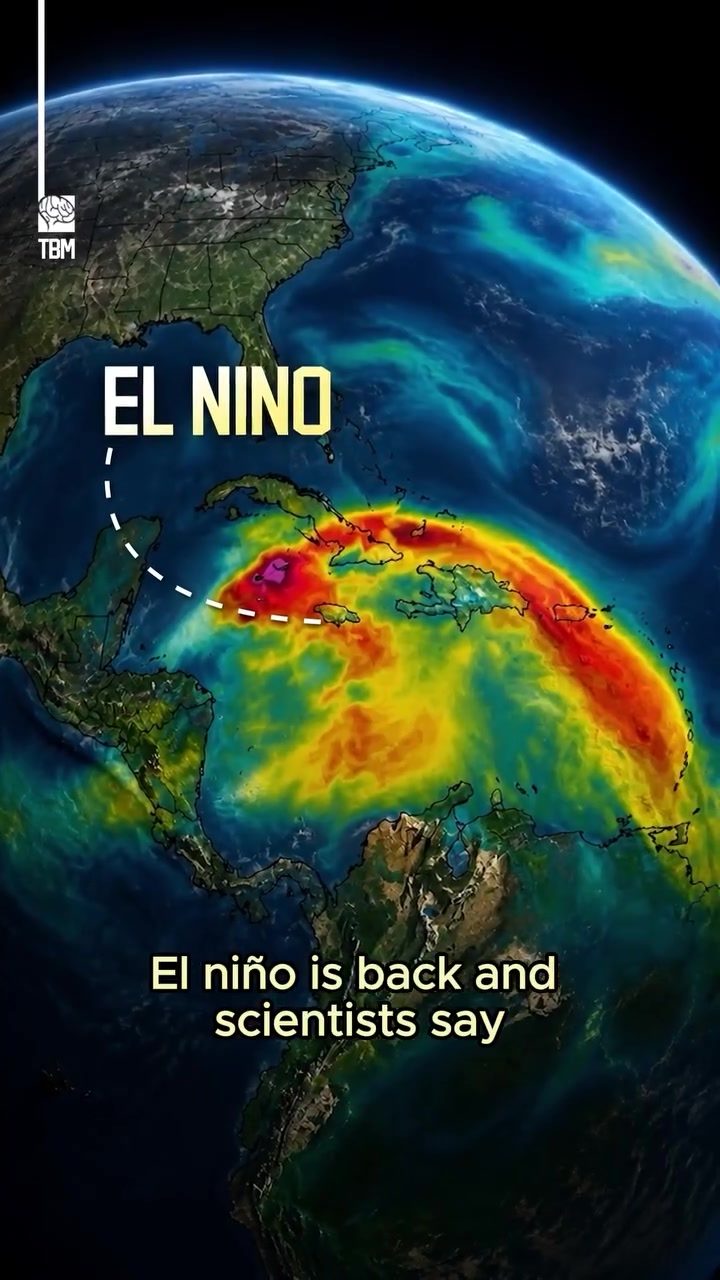
The Global Impact of El Niño and Why It Matters
El Niño, a climate phenomenon originating in the tropical Pacific Ocean, is back and predicted to be one of the strongest on record. This weather pattern, part of a natural climate cycle known as the El Niño-Southern Oscillation (ENSO), significantly influences weather patterns worldwide. Understanding El Niño's effects is crucial for preparedness and mitigation strategies in various regions.
Why This Matters
El Niño's impact extends far beyond the Pacific Ocean. It alters weather patterns, affecting agriculture, ecosystems, and the lives of millions of people globally. By understanding how this phenomenon works and its global repercussions, we can better anticipate and prepare for its effects, minimizing potential disruptions and damages.
Main Discussion
The Science Behind El Niño
El Niño begins when trade winds in the tropical Pacific weaken, allowing warm surface water to spread eastward. This movement raises ocean temperatures significantly, altering global weather patterns. The increased heat in the Pacific Ocean influences atmospheric circulation, leading to widespread changes in climate and weather patterns.
Global Effects of El Niño
South America
Countries like Peru and Ecuador often experience intense rainfall and flooding during El Niño events. The excess moisture can lead to landslides, infrastructure damage, and disruptions in daily life. These regions must be prepared for heavy precipitation and potential flooding, implementing effective drainage systems and emergency response plans.
Southeast Asia and Australia
El Niño brings drought, heat, and an increased risk of wildfires to Australia, Indonesia, and parts of Southeast Asia. These conditions can devastate agriculture, deplete water supplies, and destroy ecosystems. Farmers and local governments need to adopt drought-resistant crops, implement water conservation measures, and enhance wildfire prevention strategies.
Southern Africa
Southern Africa can become much drier during El Niño, impacting crops and water supplies. The reduced rainfall can lead to crop failures, food shortages, and water scarcity. Agricultural practices need to be adapted to cope with these dry conditions, focusing on drought-resistant farming techniques and efficient water management.
North America
In North America, El Niño often brings milder winters to Canada and the northern United States. However, the southern U.S. may experience wetter conditions, increasing the risk of flooding. Both regions need to prepare for the potential impacts, with northern areas focusing on infrastructure resilience to milder winters and southern regions enhancing flood preparedness.
The Natural Cycle of ENSO
El Niño is part of the ENSO cycle, which alternates between warm El Niño and cool La Niña conditions. Understanding this cycle is essential for long-term climate forecasting and preparedness. La Niña, the cool phase, often brings opposite effects, such as increased rainfall to drought-prone areas and cooler temperatures to heat-stressed regions. Recognizing these patterns helps in planning and mitigating the impacts of both phases.
Practical Tips for Preparedness
For Individuals and Communities
- Stay Informed: Keep up-to-date with weather forecasts and ENSO predictions from reliable sources like the National Oceanic and Atmospheric Administration (NOAA).
- Prepare for Extremes: Whether it's stocking up on supplies, reinforcing infrastructure, or adapting farming practices, being proactive can mitigate the impacts of El Niño.
- Emergency Planning: Develop and practice emergency response plans for potential disasters, such as floods or wildfires.
- Community Engagement: Engage with local communities and authorities to coordinate preparedness efforts and share resources.
For Governments and Organizations
- Invest in Infrastructure: Strengthen infrastructure to withstand extreme weather conditions, such as improved drainage systems and fire-resistant buildings.
- Support Agriculture: Implement programs that support drought-resistant farming and efficient water management.
- Climate Research: Invest in research to better understand the ENSO cycle and improve prediction models.
- Public Awareness: Raise public awareness about El Niño's impacts and preparedness strategies through educational campaigns and community outreach.
Important Takeaways
Understanding El Niño
El Niño is a complex and powerful climate phenomenon that significantly impacts weather patterns worldwide. By understanding its mechanisms and global effects, we can better prepare for its impacts and minimize potential disruptions.
Natural but Potentially Disruptive
While El Niño is a natural event, its strong occurrences can disrupt agriculture, ecosystems, fisheries, and the lives of millions of people. Recognizing its potential impacts is crucial for effective preparedness and mitigation.
Conclusion
El Niño is a natural climate cycle with far-reaching impacts. By understanding its science, global effects, and practical preparedness strategies, we can better navigate its challenges. Staying informed, preparing for extremes, and engaging with communities are key steps in mitigating the potential disruptions caused by this powerful weather pattern.
Watch the Reel
Questions readers ask
What are the primary impacts of El Niño on global weather patterns?
El Niño influences global weather patterns by altering ocean temperatures in the tropical Pacific, which in turn affects wind and precipitation patterns. This can lead to extreme weather events such as floods in South America, droughts in Southeast Asia, and increased wildfire risks in Australia.
How does El Niño affect agriculture worldwide?
El Niño can disrupt agriculture through changes in precipitation and temperature. For instance, droughts can devastate crops in regions like Southeast Asia, while floods can destroy farmlands in South America. These disruptions can lead to food shortages and economic losses.
What should regions expect from El Niño's impact on ecosystems?
El Niño can cause significant ecosystem damage through extreme weather events and altered climatic conditions. For example, increased wildfires in Australia and changes in ocean currents can disrupt marine ecosystems, affecting fish populations and coastal habitats.
What are some key signs to look out for during an El Niño event?
During an El Niño event, some key signs include unusually warm ocean temperatures in the central and eastern Pacific, shifts in wind patterns, and increased rainfall in areas like the southern United States and parts of South America. These changes are often accompanied by droughts in regions like Indonesia and Australia.
How can communities prepare for the impacts of El Niño?
Communities can prepare for El Niño by staying informed about weather forecasts and regional impacts. Implementing early warning systems, stockpiling essential supplies, and developing contingency plans for agriculture and infrastructure can help mitigate its effects. Cooperation at local, national, and international levels is also crucial.
What role do El Niño events play in the broader context of climate change?
El Niño events are part of a natural climate cycle, but their frequency and intensity may be influenced by climate change. As global temperatures rise, El Niño events could become more severe, exacerbating weather extremes, water shortages, and ecosystem damage, and leading to more regular heatwaves and droughts.
What are the specific risks associated with El Niño's impact on water resources?
El Niño can lead to significant water shortages in some regions due to prolonged droughts, while other areas may experience severe flooding. These changes can disrupt water supply systems, affect agriculture, and lead to shortages in drinking water, posing significant challenges to communities and ecosystems.
Related deep dives
Similar reads based on topic and creator.


Recent articles
Fresh deep dives from the latest Reels we unpacked.




Comments
Be the first to comment.