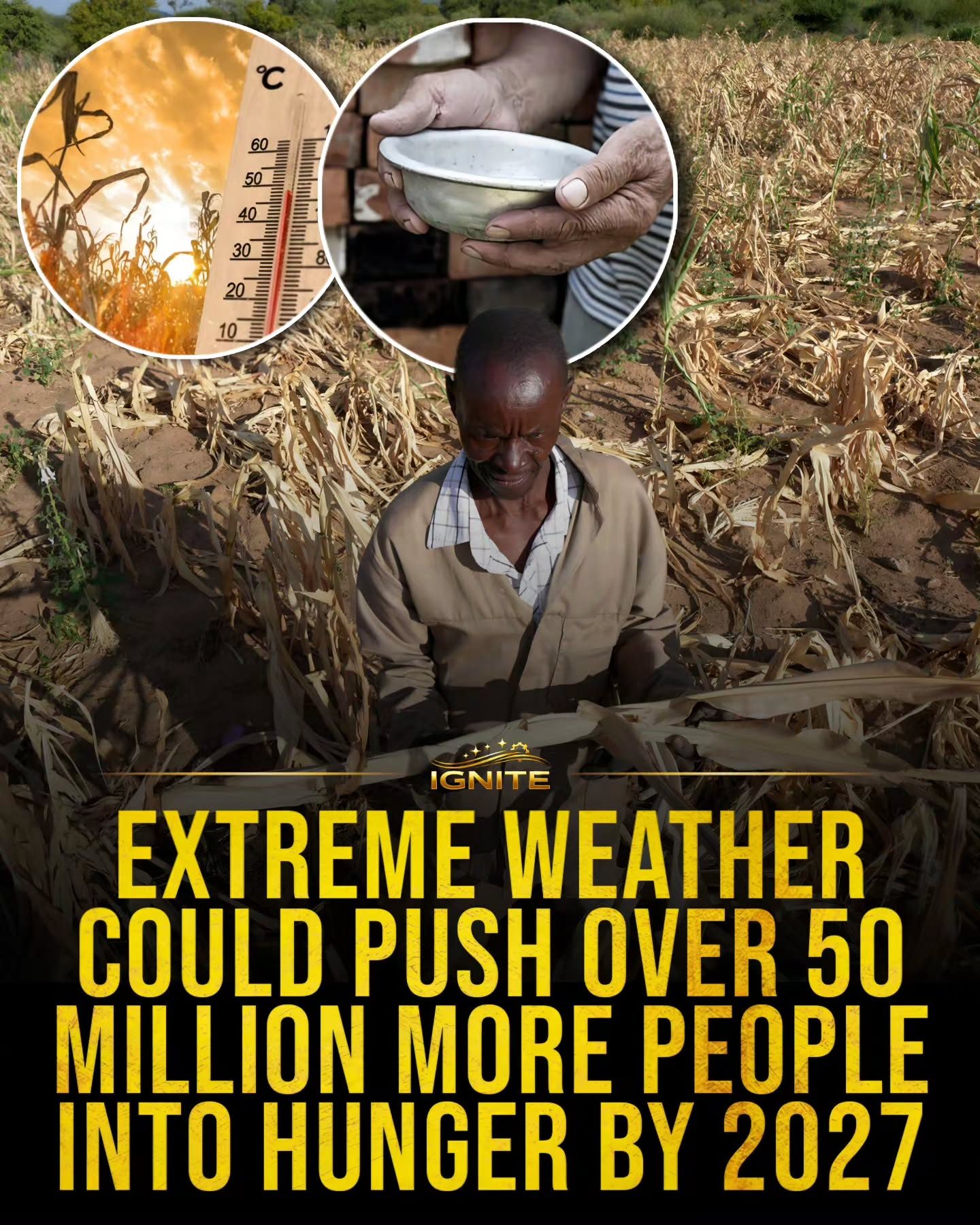
Extreme Weather and Food Insecurity
Extreme weather events are becoming increasingly frequent and severe, and their impacts on global food security are a growing concern. A recent study by IGNITE reveals alarming projections about the consequences of the next El Niño weather event. The greatest impacts are expected in vulnerable communities across Africa, Asia, and Latin America, where many are already grappling with conflict, poverty, and climate-related challenges.
The research highlights that the next El Niño event could leave up to 50 million more people facing acute food insecurity as early as next year. This dire prediction is rooted in anticipated shifts in weather patterns, which include higher temperatures and altered rainfall distributions. These changes can significantly reduce crop yields, disrupt food supplies, and drive up food prices, exacerbating hunger in already fragile regions.
Context / Why This Matters
The interplay between extreme weather and food security is critical to understand. Climate change is altering weather patterns, leading to more frequent and severe droughts, floods, and heatwaves. These events affect agriculture, which is the backbone of food production and supply. The chain reaction begins with reduced crop yields due to drought or excessive rainfall, leading to food shortages and price increases.
Understanding El Niño
El Niño is a climate pattern characterized by unusually warm ocean temperatures in the Equatorial Pacific. This phenomenon can have far-reaching effects on weather patterns globally, including increased rainfall in some areas and droughts in others. The next El Niño event is expected to exacerbate existing weather conditions, making it even more difficult for vulnerable communities to maintain food security.
Current Challenges in Vulnerable Communities
Communities in Africa, Asia, and Latin America face multiple, often interlinked, challenges that make them particularly vulnerable to the impacts of extreme weather. Conflict, poverty, and existing climate-related challenges like desertification and deforestation strain their resilience. These communities often rely heavily on agriculture for their livelihoods and food supplies, making them especially susceptible to weather-related disruptions.
Main Discussion
The Impact on Agriculture
Extreme weather events significantly affect agriculture, the primary source of food for many communities. Droughts, for example, can lead to crop failures, while floods can destroy entire harvests. Both scenarios reduce the overall food supply, driving up prices and making it harder for people to afford nutritious meals.
Temperature and Crop Yields
Hotter temperatures stress crops, reducing their yield and quality. For instance, high temperatures can accelerate the flowering and ripening of crops, leading to smaller, less nutritious harvests. This is particularly problematic in regions where agriculture is the primary economic activity and food source.
Rainfall Patterns and Food Supplies
Shifting rainfall patterns disrupt the delicate balance needed for successful agriculture. Too much rain can lead to waterlogging, destroying crops, while too little can result in drought. Both scenarios can disrupt food supplies, leading to shortages and price increases, making it harder for people to access affordable, nutritious food.
The Economic Ripple Effect
The economic impact of extreme weather on food security is twofold. Firstly, reduced crop yields and disrupted food supplies drive up prices, making it harder for people to afford food. Secondly, the economic strain can lead to job losses and reduced income, further exacerbating the problem.
Disrupted Food Supplies and Price Increases
When food supplies are disrupted, prices inevitably rise. This creates a vicious cycle where people, already struggling with higher prices, have to cut back on food, often compromising on nutritional quality. In extreme cases, this can lead to severe malnutrition, especially among children and the elderly.
Job Losses and Reduced Income
Extreme weather can also lead to job losses, particularly in sectors like agriculture. When crops fail, farmers lose their primary source of income, leading to widespread unemployment and economic hardship. This, in turn, reduces household income, making it even harder for families to afford food.
The Human Impact
The human impact of extreme weather on food security is profound. Increased hunger and malnutrition can lead to a host of health problems, including stunted growth in children, weakened immune systems, and even death. The psychological toll is also significant, as people struggle to feed their families and cope with the uncertainty of their situation.
Health Consequences
Malnutrition can have lifelong consequences, especially for children. Stunted growth and cognitive impairment can affect a child's ability to learn and develop, perpetuating a cycle of poverty. In extreme cases, severe malnutrition can be fatal, particularly among young children and the elderly.
Psychological Toll
The stress and uncertainty of not knowing where the next meal will come from can take a significant psychological toll. This can lead to mental health issues, including anxiety and depression, further exacerbating the problem. The constant struggle to feed one's family can be emotionally and mentally exhausting, leading to long-term psychological issues.
Practical Tips
Addressing the challenges posed by extreme weather and food insecurity requires a multifaceted approach. Governments, aid organizations, and communities must work together to build resilience and prepare for the impacts of climate change.
Building Resilience
Building resilience involves strengthening communities' ability to withstand and recover from extreme weather events. This can include investing in infrastructure to protect against droughts and floods, developing drought-resistant crops, and implementing early warning systems to alert communities to impending weather events.
Infrastructure
Investing in infrastructure, such as irrigation systems and flood barriers, can help protect crops and communities from the impacts of extreme weather. This can reduce the risk of crop failures and water shortages, ensuring a more stable food supply.
Drought-Resistant Crops
Developing and adopting drought-resistant crops can help communities maintain their food supply even in the face of drought. These crops are designed to thrive in conditions where water is scarce, providing a vital lifeline for communities struggling with drought.
Early Warning Systems
Early warning systems can alert communities to impending weather events, giving them time to prepare and protect their crops and livelihoods. This can include public alerts, community-level warnings, and preparedness plans to help communities respond to extreme weather events.
Preparing for the Next El Niño
The anticipated El Niño event requires proactive measures. Governments and aid organizations should focus on preparedness, investment in resilience, and providing immediate relief where necessary. Early action can help prevent millions from falling into severe hunger.
Preparedness
Preparedness involves developing and implementing plans to mitigate the impacts of extreme weather. This can include stockpiling food and water, preparing emergency response plans, and training communities on how to respond to extreme weather events. By being prepared, communities can reduce the risk of severe hunger and its associated health and economic impacts.
Investment in Resilience
Investment in resilience can help communities build the capacity to withstand and recover from the impacts of extreme weather. This can include investing in infrastructure, developing drought-resistant crops, and implementing early warning systems. By building resilience, communities can reduce their vulnerability to extreme weather and its impacts on food security.
Immediate Relief
In the face of severe food insecurity, immediate relief is crucial. This can include providing food and water to affected communities, as well as medical and psychological support. Immediate relief can help save lives and alleviate the suffering caused by severe hunger and malnutrition.
Important Takeaways
The next El Niño event poses a significant threat to global food security, particularly in vulnerable communities across Africa, Asia, and Latin America. These communities are already grappling with multiple challenges, including conflict, poverty, and climate-related issues. The anticipated impacts of the next El Niño event, including reduced crop yields, disrupted food supplies, and rising food prices, could push millions more into severe hunger.
Vulnerable Communities
Vulnerable communities, already struggling with multiple challenges, are particularly at risk from the impacts of extreme weather on food security. These communities are often heavily reliant on agriculture for their livelihoods and food supplies, making them especially susceptible to weather-related disruptions.
The Urgent Need for Action
The urgent need for action is clear. Governments, aid organizations, and communities must work together to build resilience and prepare for the impacts of climate change. This includes investing in infrastructure, developing drought-resistant crops, and implementing early warning systems. By taking early action, it is possible to prevent millions from falling into severe hunger and its associated health and economic impacts.
The Role of Governments and Aid Organizations
Governments and aid organizations play a crucial role in addressing the challenges posed by extreme weather and food insecurity. By investing in resilience, providing immediate relief, and promoting sustainable development, they can help vulnerable communities build resilience and withstand the impacts of climate change.
Conclusion
The anticipated impacts of the next El Niño event on global food security are alarming. The combination of hotter temperatures, shifting rainfall patterns, and reduced crop yields could have devastating consequences, particularly in vulnerable communities. The greatest impacts are expected in Africa, Asia, and Latin America, where many are already dealing with conflict, poverty, and climate-related challenges.
Addressing these challenges requires a multifaceted approach, including building resilience, investing in infrastructure, developing drought-resistant crops, and implementing early warning systems. By taking proactive measures, it is possible to reduce the risk of severe hunger and its associated health and economic impacts.
The urgent need for action is clear. Governments, aid organizations, and communities must work together to prepare for the impacts of climate change and build resilience. By taking early action, it is possible to prevent millions from falling into severe hunger and its associated health and economic impacts.
Watch the Reel
Questions readers ask
What is the expected impact of the next El Niño on global food security?
The next El Niño is projected to significantly exacerbate global food insecurity, potentially leaving up to 50 million more people without reliable access to food. This is largely due to extreme weather patterns that can reduce crop yields and disrupt food supplies.
Which regions are most at risk from the upcoming El Niño event?
The most vulnerable regions include Africa, Asia, and Latin America, where many communities are already dealing with poverty, conflict, and climate-related issues. These areas are expected to face the most severe impacts from the upcoming El Niño.
How will the next El Niño affect food prices worldwide?
The next El Niño is anticipated to drive up food prices due to disruptions in food supplies and reduced crop yields. These price increases can make it even harder for vulnerable populations to afford sufficient food, further exacerbating the global hunger crisis.
What weather patterns are associated with the upcoming El Niño event?
The next El Niño is expected to bring higher temperatures and altered rainfall distributions. These changes can lead to more frequent and severe weather extremes, such as droughts and floods, which can devastate agricultural production and food security.
When is the next El Niño event expected to occur, and what are the forecasted impacts for 2027?
The next El Niño event could happen as early as 2027. Acute food insecurity is expected to be a major issue, with tens of millions of people potentially facing food shortages due to the extreme weather conditions associated with El Niño.
How do extreme weather events contribute to food supply disruptions?
Extreme weather events can destroy crops, damage infrastructure, and disrupt transportation networks, leading to significant disruptions in food supplies. These disruptions make it difficult for food to reach those in need, exacerbating hunger and malnutrition.
What can we do to mitigate the impacts of the next El Niño on global hunger?
To mitigate the impacts, it is essential to invest in climate-resilient agriculture, improve weather forecasting and early warning systems, and strengthen food distribution networks. Additionally, supporting vulnerable communities with sufficient resources and aid can help reduce the likelihood of severe food insecurity.
Related deep dives
Similar reads based on topic and creator.




Recent articles
Fresh deep dives from the latest Reels we unpacked.




Comments
Be the first to comment.