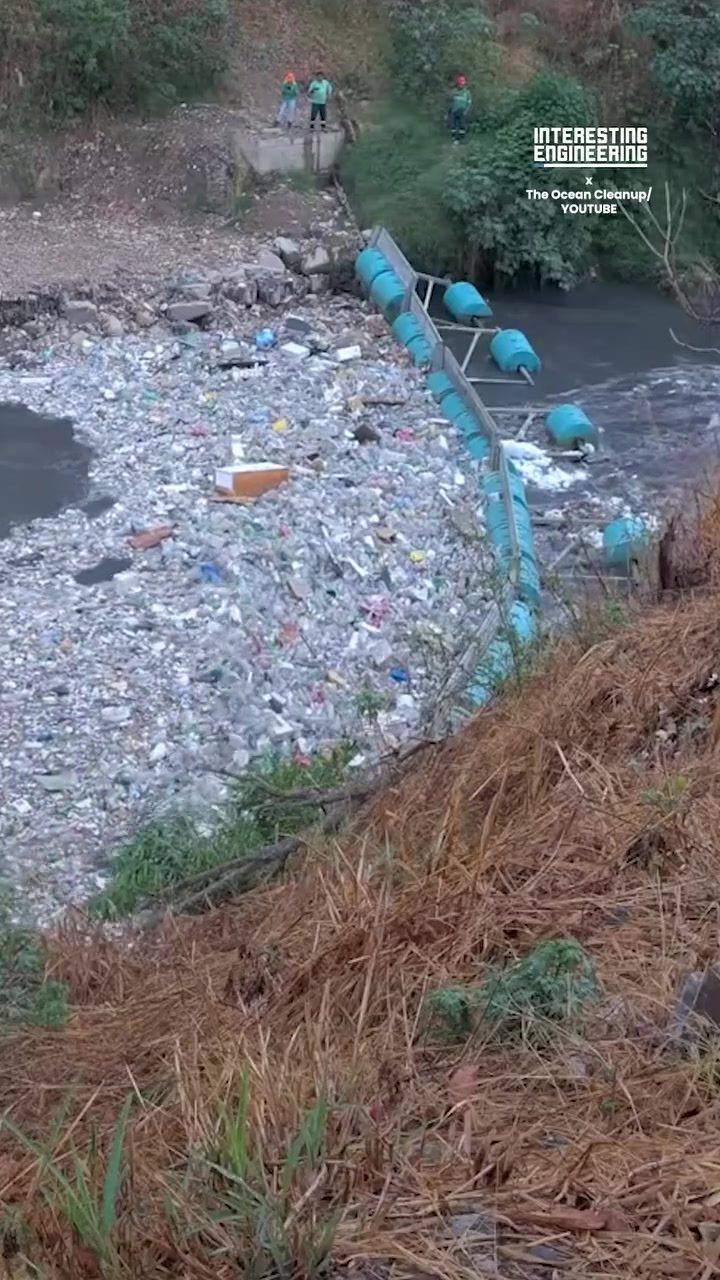
Ocean Cleanup Systems
Plastic waste in our oceans is an escalating problem, with millions of tons of debris entering marine environments annually. The Ocean Cleanup, an innovative engineering initiative, is transforming the way we address this issue. By deploying advanced systems, they aim to intercept and remove plastic waste before it reaches the ocean or accumulates in hard-to-reach areas. This initiative is not just about collecting waste but also optimizing the process through thoughtful design and engineering.
Why This Matters
The impact of plastic pollution on marine life and ecosystems is profound. Marine animals often mistake plastic for food, leading to ingestion and entanglement, which can be fatal. Additionally, plastic debris breaks down into microplastics, which can enter the food chain and ultimately affect human health. The Ocean Cleanup's efforts are crucial in mitigating these detrimental effects and preserving our oceans for future generations.
Main Discussion
The Ocean Cleanup System
At the heart of The Ocean Cleanup initiative is a sophisticated system of barriers designed to intercept and collect plastic waste. These barriers are strategically placed in rivers and ocean currents to capture plastic before it spreads further. The collected plastic is then removed and sent for recycling, ensuring that it does not contribute to further pollution.
River Interception
One of the key strategies employed by The Ocean Cleanup is the placement of barriers in rivers. Rivers are major conduits for plastic waste, carrying debris from land-based sources into the ocean. By intercepting this waste at the source, the initiative prevents it from entering the marine environment. The system uses a series of barriers that guide plastic to collection points, where it can be efficiently removed.
Ocean Interception
In addition to river interception, The Ocean Cleanup also targets plastic waste already in the ocean. The system employs floating barriers that move with ocean currents, collecting plastic as it drifts. These barriers are designed to be highly efficient, capturing large amounts of plastic waste with minimal environmental impact.
Recycling and Reuse
The collected plastic is not simply discarded; it is sent for recycling. Recycling plastic waste not only reduces the amount of waste in the environment but also promotes the use of recycled materials. This process helps to create a sustainable cycle, where plastic waste is transformed into new products, reducing the demand for virgin plastics.
Practical Tips
Supporting Ocean Cleanup Initiatives
While The Ocean Cleanup is making significant strides, individual and community efforts are also crucial. Here are some practical tips to support this initiative:
- Reduce Plastic Use: Minimize the use of single-use plastics by opting for reusable alternatives. This reduces the amount of plastic waste that can enter rivers and oceans.
- Participate in Cleanup Events: Join local cleanup events to physically remove plastic waste from beaches and waterways. This not only helps the environment but also raises awareness about the issue.
- Support Recycling Programs: Ensure that plastic waste is properly sorted and recycled. Support local recycling programs and advocate for better recycling infrastructure.
- Education and Awareness: Educate others about the impact of plastic pollution and the importance of initiatives like The Ocean Cleanup. Share information on social media, in schools, and within your community.
Advocating for Policy Change
Policy change is essential for tackling plastic pollution on a larger scale. Advocate for stricter regulations on plastic production and waste management. Support initiatives that promote sustainable practices and encourage the use of recycled materials.
Important Takeaways
- Interception at Source: The Ocean Cleanup's strategy of intercepting plastic waste at rivers and ocean currents is highly effective in preventing further pollution.
- Efficient Collection: The use of floating barriers and collection systems ensures that plastic waste is efficiently captured and removed.
- Sustainable Practices: Recycling collected plastic waste promotes sustainability and reduces the demand for virgin plastics.
- Community Involvement: Individual and community efforts are crucial in supporting initiatives like The Ocean Cleanup and promoting a cleaner, healthier environment.
Conclusion
The Ocean Cleanup's innovative engineering systems are paving the way for a cleaner, healthier future for our oceans. Their use of barriers to intercept and collect plastic waste, combined with recycling efforts, is a significant step in mitigating the impact of plastic pollution. By supporting initiatives like The Ocean Cleanup and adopting sustainable practices, we can all contribute to a more environmentally conscious world.
Watch the Reel
Questions readers ask
What are the primary goals of the Ocean Cleanup initiative?
The primary goals of the Ocean Cleanup initiative are to intercept and remove plastic waste from rivers and oceans, thereby reducing the amount of debris that enters marine environments. By strategically placing barriers in major waste conduits, the initiative aims to minimize the impact of plastic pollution on marine life and ecosystems.
How do floating barriers help in river plastic waste interception?
Floating barriers are designed to capture plastic waste as it flows down rivers, preventing it from reaching the ocean. These barriers are strategically placed in areas where waste concentration is high, ensuring that a significant portion of the debris is intercepted before it can cause harm to marine life.
What makes the Ocean Cleanup's systems efficient in waste collection?
The efficiency of the Ocean Cleanup systems lies in their advanced design and strategic placement. By using innovative engineering techniques, these systems can intercept and remove plastic waste more effectively. The barriers are tailored to the specific conditions of each location, ensuring optimal performance in waste collection.
What are the benefits of intercepting plastic waste in rivers versus the ocean?
Intercepting plastic waste in rivers is often more effective and efficient than attempting to clean it from the ocean. Rivers serve as major conduits for waste, and by placing barriers in these areas, the initiative can capture a large amount of debris before it has a chance to disperse and become harder to collect.
How does the Ocean Cleanup initiative contribute to marine life conservation?
By removing plastic waste from rivers and oceans, the Ocean Cleanup initiative helps to reduce the risks of ingestion and entanglement for marine animals. This not only protects individual species but also contributes to the overall health of marine ecosystems, which are vital for biodiversity and ecological balance.
Related deep dives
Similar reads based on topic and creator.



Recent articles
Fresh deep dives from the latest Reels we unpacked.




Comments
Be the first to comment.