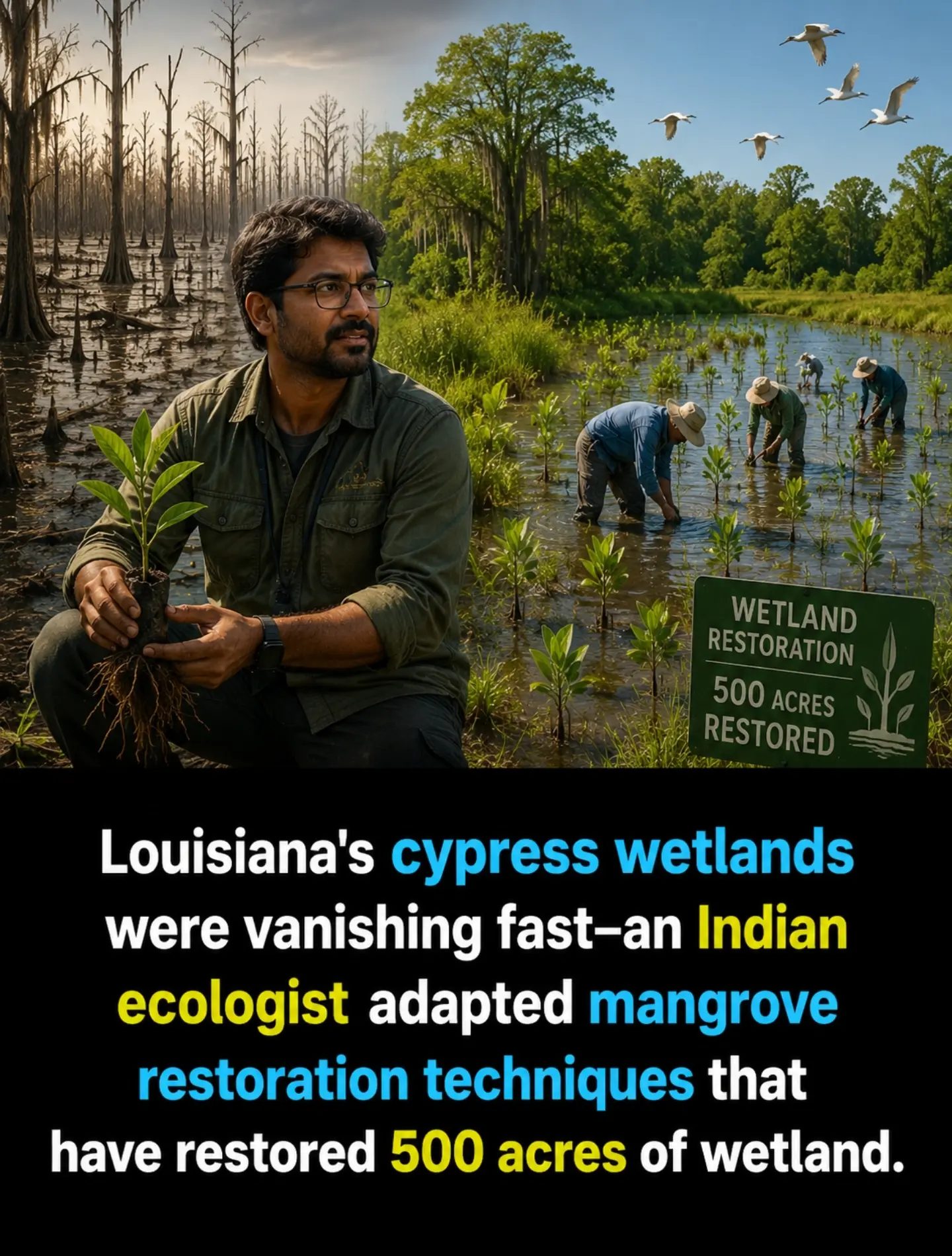
Wetland Restoration in Louisiana
Wetland restoration is a critical effort to revitalize and preserve vital ecosystems. In Louisiana, a notable project has successfully restored 500 acres of cypress wetlands. This endeavor, led by an Indian ecologist, showcases the innovative adaptation of mangrove restoration techniques to address the unique challenges faced by cypress wetlands.
Why This Matters
Wetlands play a crucial role in maintaining ecological balance, supporting biodiversity, and protecting coastal areas from storms and flooding. Louisiana's cypress wetlands, in particular, have been under threat due to various factors, including urban development, pollution, and climate change. The restoration of these wetlands is essential for the region's environmental health and the well-being of local communities.
The Restoration Project
Adapting Mangrove Restoration Techniques
The restoration project in Louisiana involved adapting techniques traditionally used for mangrove ecosystems to the unique needs of cypress wetlands. This adaptation was necessary because mangroves and cypress trees thrive in different environmental conditions. Mangroves are typically found in tropical and subtropical coastal areas and can tolerate saltwater, while cypress trees are more commonly found in freshwater environments.
The ecologist leading the project recognized the importance of understanding the specific requirements of cypress wetlands. This involved modifying mangrove restoration methods to ensure they were suitable for the different soil conditions, water salinity, and plant life in the cypress wetlands.
Community Involvement
The success of the project is also attributed to community involvement. Volunteers and local residents played a significant role in the restoration efforts, including planting trees and maintaining the restored areas. This community effort not only helped in restoring the wetlands but also raised awareness about the importance of wetland conservation.
Techniques and Methods
Soil Preparation
One of the key steps in the restoration process was soil preparation. This involved removing invasive plant species and restoring the natural soil composition. The soil was treated to improve its nutrient content and structure, making it suitable for the growth of native cypress trees.
Planting Native Species
The project focused on planting native cypress trees, which are better adapted to the local environment. These trees help stabilize the soil, prevent erosion, and provide habitat for various wildlife species. The planting process was carefully monitored to ensure the survival and growth of the young trees.
Monitoring and Maintenance
Ongoing monitoring and maintenance are crucial for the long-term success of the restoration project. Regular checks are conducted to assess the health of the restored wetlands and address any issues that may arise. This includes monitoring water quality, soil conditions, and the growth of the planted trees.
Practical Tips for Wetland Restoration
If you are involved in or planning a wetland restoration project, here are some practical tips to consider:
-
Understand the Local Environment: Research the specific needs of the wetland ecosystem you are working with. Different wetlands have unique requirements based on their location, soil type, and plant life.
-
Adapt Existing Techniques: Don't hesitate to adapt techniques from other ecosystems if they can be modified to suit your needs. Innovation and flexibility are key to successful restoration.
-
Engage the Community: Involve local residents and volunteers in the restoration efforts. Community support can significantly enhance the project's success and sustainability.
-
Monitor and Maintain: Regular monitoring and maintenance are essential for the long-term health of the restored wetlands. Ensure you have a plan in place for ongoing care and assessment.
Important Takeaways
The restoration of Louisiana's cypress wetlands serves as a successful model for wetland conservation efforts. Key takeaways include the importance of adapting techniques to the specific needs of the ecosystem, the value of community involvement, and the necessity of ongoing monitoring and maintenance.
Conclusion
Wetland restoration is a complex but rewarding endeavor that requires careful planning, community engagement, and ongoing effort. The successful adaptation of mangrove restoration techniques to restore Louisiana's cypress wetlands demonstrates the potential for innovative solutions in environmental conservation. By learning from this project, we can continue to protect and restore wetlands, ensuring their vital role in our ecosystems for future generations.
Watch the Reel
Questions readers ask
What inspired the ecologist to adapt mangrove restoration techniques for cypress wetlands?
The adaptation of mangrove restoration techniques for cypress wetlands was inspired by the need to address the unique challenges faced by these ecosystems. Cypress wetlands, like mangroves, play a vital role in coastal protection and biodiversity support. However, they require specific adaptations to thrive in Louisiana's environment.
How does wetland restoration benefit Louisiana's environment?
Wetland restoration in Louisiana helps maintain ecological balance, supports biodiversity, and protects coastal areas from storms and flooding. By restoring 500 acres of cypress wetlands, the project has significantly contributed to the region's environmental health and wildlife habitat.
What role did community involvement play in the wetland restoration project?
Community involvement was crucial in the success of the wetland restoration project. Local communities provided essential support, including labor and resources, and helped monitor the progress of the restoration efforts. This collaboration ensured the project's sustainability and long-term impact.
What are the main threats to Louisiana's cypress wetlands?
Louisiana's cypress wetlands face several threats, including urban development, pollution, and climate change. These factors have led to the loss of significant wetland areas, highlighting the need for restoration efforts to preserve these vital ecosystems.
How were mangrove restoration techniques adapted for cypress tree restoration?
Mangrove restoration techniques were adapted for cypress tree restoration by modifying planting methods and using specific cypress tree species that are well-suited to Louisiana's environment. The techniques also focused on creating favorable conditions for cypress tree growth, such as ensuring adequate water levels and soil quality.
What is the significance of restoring 500 acres of Louisiana's cypress wetlands?
Restoring 500 acres of Louisiana's cypress wetlands is significant because it helps to revitalize a vital ecosystem that supports numerous plant and animal species. This restoration effort also contributes to the protection of coastal areas from storms and flooding, enhancing the overall resilience of the region.
How can individuals contribute to Louisiana wetland conservation efforts?
Individuals can contribute to Louisiana wetland conservation efforts by participating in local restoration projects, volunteering for cleanup activities, and supporting organizations dedicated to wetland preservation. Additionally, promoting awareness about the importance of wetlands and advocating for policies that protect these ecosystems can make a significant difference.
Related deep dives
Similar reads based on topic and creator.




Recent articles
Fresh deep dives from the latest Reels we unpacked.




Comments
Be the first to comment.