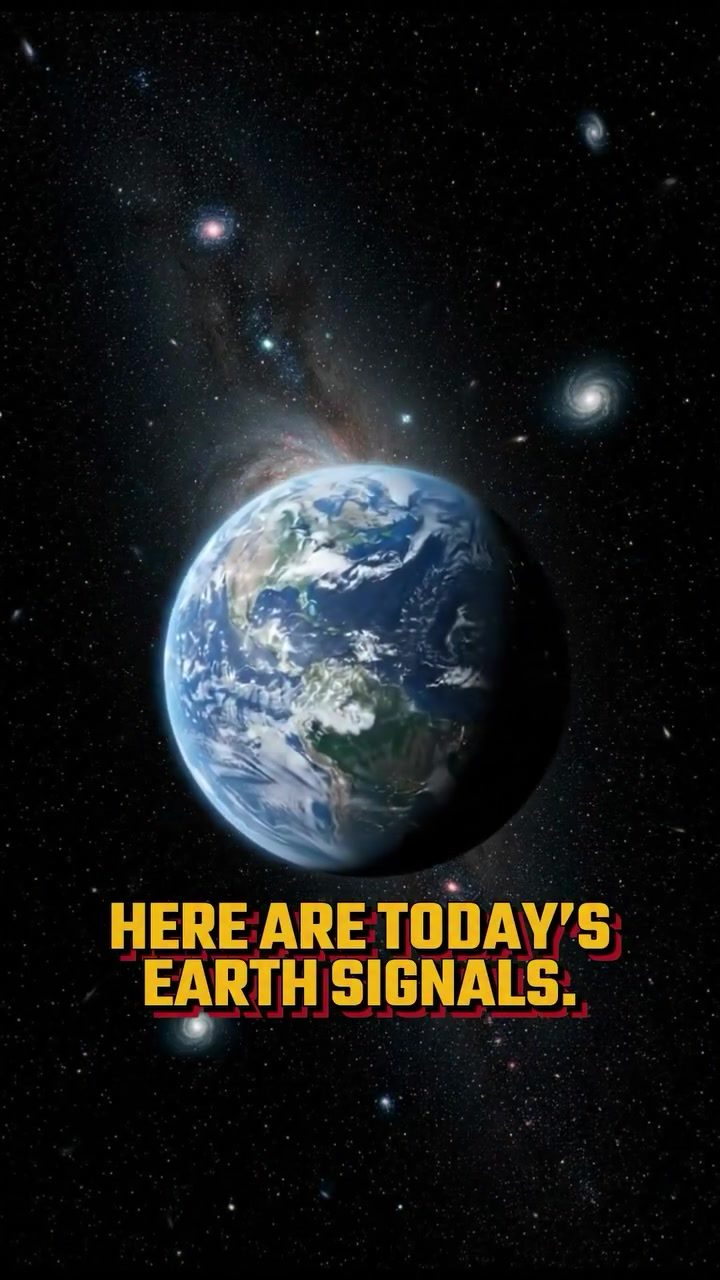
Global Interconnectivity and Environmental Crises
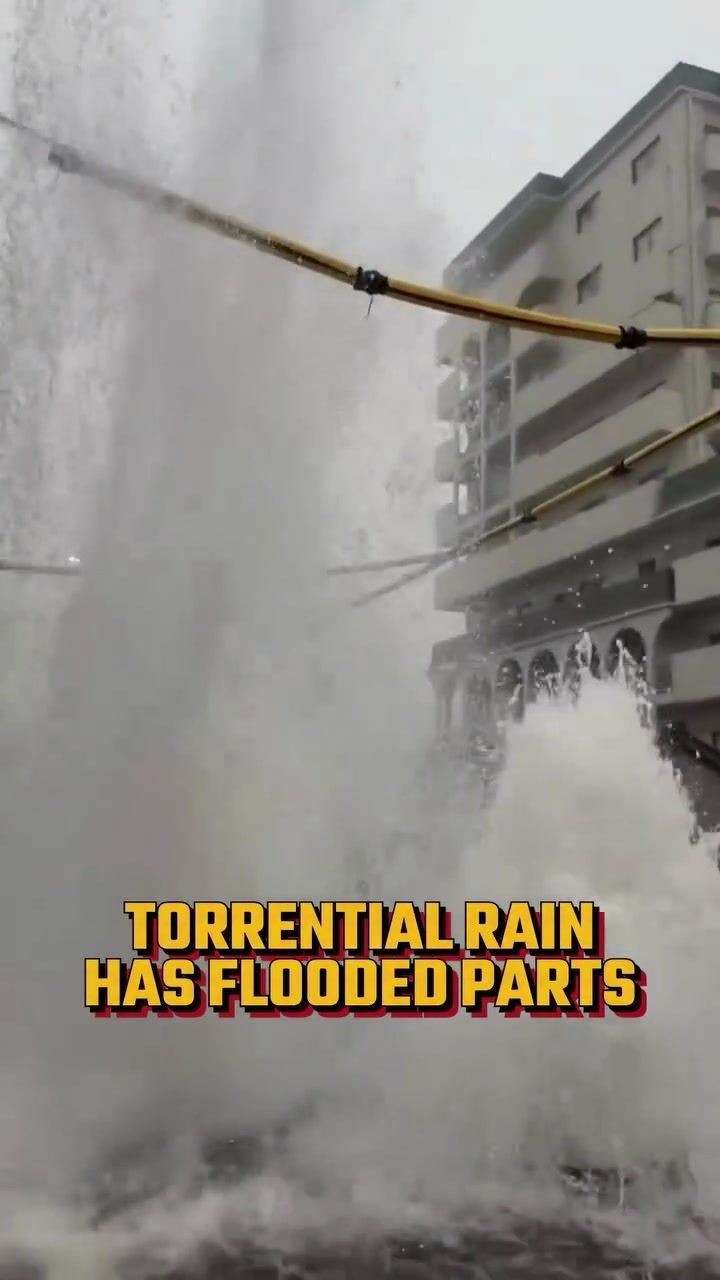
We are a planet of contrasting experiences, one where natural phenomena in the U.S. or India can occur in different ways, far from where we are. The ordinarily tranquil Mount Etna erupted recently, spewing ash that disrupted flights at Catania Airport in Sicily. Simultaneously, torrential rains along the coasts of Connecticut, New York, and New Jersey triggered flash flooding and the need for water rescues, temporarily halting travel. Industrialized areas aren't the only ones suffering. In rural India, Bihar in particular, the same phenomenon worsened the situation. Floodwaters from a river - the Ganges - claimed the lives of five people. The water level of the river rose, perhaps due to upstream factors or, worse, manmade causes. Earth observation systems and climate modeling highlight that these extreme events are but snapshots of a wider, largely unseen picture. The Colorado River basin, for instance, is nearing a severe water crisis. The Colorado River - running through the Rockies down through Mexico - is a major water supply for multiple states. There, drought and demand have outpaced supply. Earth may possess mechanisms to deal with certain anomalies or changes, but the speed, volume, and extent of current catastrophes can threaten its very ability to adapt.
The Telltale Signs of Climate Chaos
Climate chaos is not confined to any region, continent or country. There are two tropical systems in the Pacific, named Norbert and 15E, that are being closely tracked. The fact that there are two similar weather patterns means that even systems that coexist in the same atmosphere are affected by climate change. Tropical systems like these have always existed, but climate chaos may have worsened their intensity. Increased ocean surface temperatures, which fuel intense weather systems, are one of the telltale signs of climate chaos. Changes in ocean currents and atmospheric pressure can alter the pathways of storms, leading to unexpected and devastating impacts.
Framing Earth's Distress
Water, a vital resource, is the common denominator. It brings life, nourishes crops, powers economies. Yet, it also strikes fear when uncontrolled. It makes it easy to understand climate chaos. Water is not just a global resource. It is at the heart of much of the news reports for tourism, hydropower, and agriculture.
The Long-term Outlook
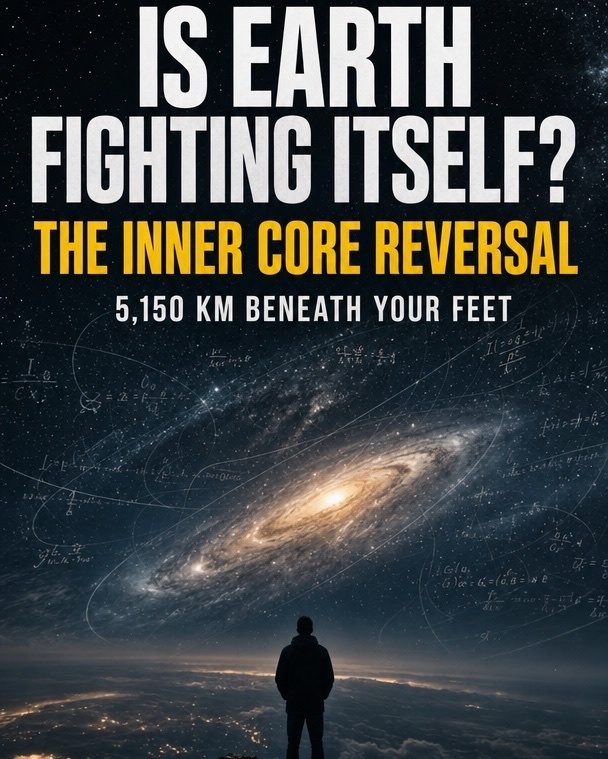
The nighttime imagery of Earth showcased city lights but also conveyed a sense of isolation. Indeed, Earth seems small in the vastness of space. But that view reminds us of our role in its interconnected system. It serves as a reminder of global interconnectedness. For instance: Sicily’s airport disruptions are not an isolated incident. Nor are floodwaters in Bihar or Connecticut. Nor are the tropical systems in the Pacific. We are a globally interconnected planet.
Watch the Reel
Related deep dives
Similar reads based on topic and creator.
Recent articles
Fresh deep dives from the latest Reels we unpacked.
Comments
Be the first to comment.