Dust Storms and Health Concerns
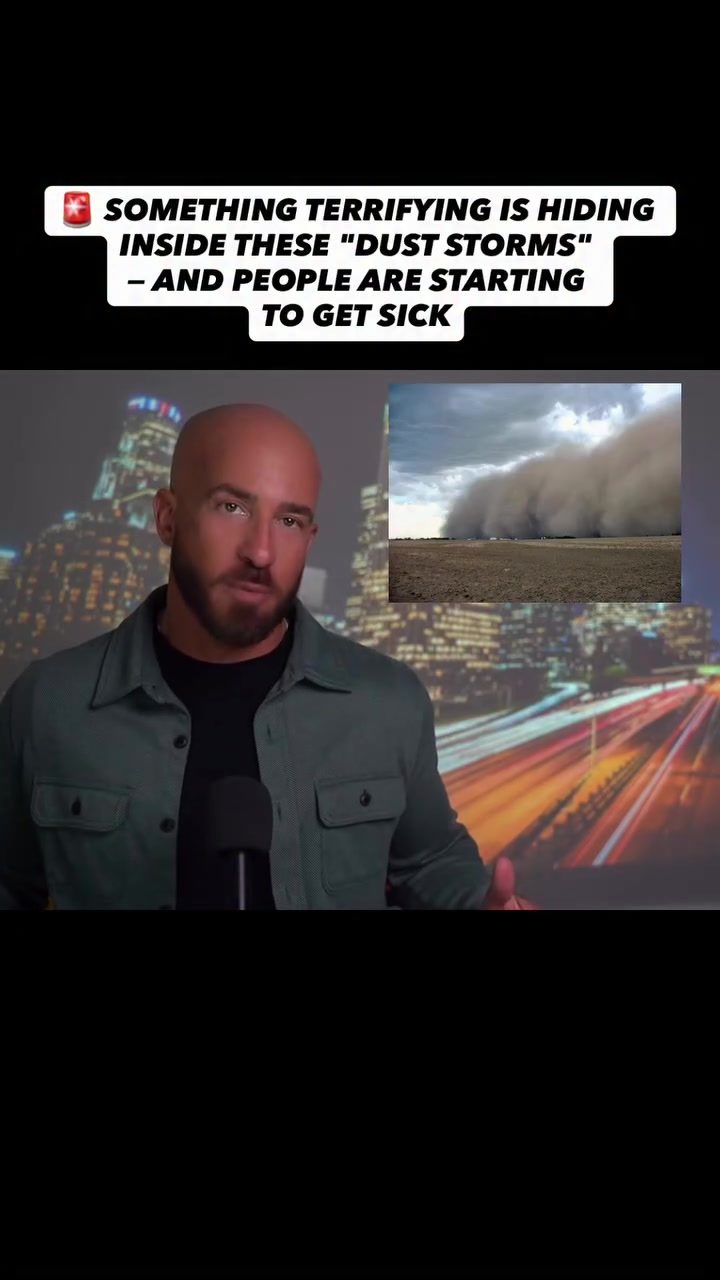
Dust storms, particularly in the Southwest, are becoming more frequent and intense, raising concerns about their impact on public health. These massive walls of dust, known as haboobs, are not just a spectacle but pose significant health risks.
Why This Matters
Dust storms are not new to the Southwest, but their increasing frequency and intensity are alarming. States like Texas, Arizona, and New Mexico are experiencing these storms more often, and researchers are warning that these storms may be carrying far more than just dirt. The health implications of these storms are serious and warrant attention.
The Impact of Dust Storms
Health Risks
Dust storms can carry dangerous bacteria and fungal spores over vast distances. This is particularly concerning because these particles can cause various illnesses. One of the most notable health issues linked to dust storms is Valley Fever, a lung infection caused by inhaling fungal spores. Valley Fever can last for months and, in some cases, can be deadly. Doctors across the Southwest have reported a surge in Valley Fever cases, especially after major dust storms. Some patients initially misdiagnosed with cancer or other serious conditions were later found to have Valley Fever.
Economic and Social Disruption
Beyond health risks, dust storms can cause significant disruptions. These storms can swallow highways, knock over tractor trailers, and obscure visibility to the point where traffic stops and entire cities vanish behind a wall of brown haze. The economic impact of these disruptions can be substantial, affecting everything from transportation and agriculture to local businesses and emergency services.
Practical Tips
Protecting Your Health
There are several steps you can take to protect yourself during a dust storm:
- Stay Indoors: If possible, stay indoors and close all windows and doors. Use air filters and air conditioners to maintain indoor air quality.
- Wear Masks: If you must go out, wear a mask that can filter out small particles.
- Cover Food and Water: Protect your food and water supplies to prevent contamination.
- Monitor Weather Alerts: Stay tuned to local weather updates and follow the advice of health authorities.
- Seek Medical Attention: If you experience respiratory issues after a dust storm, seek medical attention immediately.
Preparing for Dust Storms
- Emergency Kit: Keep an emergency kit ready with essentials like masks, water, food, and first-aid supplies.
- Seal Your Home: Ensure your home is well-sealed to prevent dust from entering.
- Communication Plan: Have a communication plan in place with your family and friends to stay connected during and after a storm.
Important Takeaways
- Increased Frequency: Dust storms are becoming more common and intense in the Southwest.
- Health Risks: These storms can carry dangerous bacteria and fungal spores, leading to illnesses like Valley Fever.
- Economic Impact: Dust storms can cause significant disruptions to daily life and economic activities.
- Preparation: Staying informed and prepared is crucial for protecting your health and safety during a dust storm.
Conclusion
Dust storms pose a serious threat to public health and safety, and their increasing frequency demands attention. By understanding the risks and taking necessary precautions, you can protect yourself and your community. Stay informed, prepare in advance, and always seek medical attention if you experience respiratory issues after a dust storm.
Watch the Reel
Questions readers ask
What are the primary health risks associated with dust storms in the Southwest?
The primary health risks include respiratory issues due to inhaled dust particles, bacterial and fungal infections carried by the storms, and skin and eye irritation. Individuals with pre-existing lung conditions may be particularly vulnerable.
How do dust storms impact daily life in affected areas?
Dust storms can disrupt daily life by obstructing visibility which can lead to hazardous driving conditions. They can also cause delays in transportation, school closures, and other disruptions to daily routines.
What precautions can residents take to protect their health during a dust storm?
Residents should stay indoors with windows and doors closed during a dust storm, use air filters or air purifiers, and wear masks when outdoors. Keeping windows closed and using air filters can help reduce the amount of dust entering indoor spaces.
What is a haboob and how does it differ from a regular dust storm?
A haboob is a type of intense dust storm characterized by a wall of dust that can reach up to 10,000 feet in height and move at speeds of 30-60 miles per hour. Unlike regular dust storms, haboobs are particularly dangerous due to their size, speed, and intensity.
How are dust storms affecting the frequency and intensity of health concerns in the Southwest?
The increasing frequency and intensity of dust storms in the Southwest are leading to more frequent and severe health issues. The storms are carrying a higher concentration of harmful particles, leading to increased respiratory problems and other health concerns.
What should drivers do if they encounter a dust storm while on the road?
Drivers should immediately slow down, turn on their headlights, and consider pulling over if visibility is severely reduced. It is also important to stay in the vehicle and avoid trying to navigate through the dust storm until it passes.
Which states in the Southwest are most affected by dust storms?
Texas, Arizona, and New Mexico are the states most affected by dust storms in the Southwest. These states experience frequent and intense dust storms, which pose significant health risks to residents.
Related deep dives
Similar reads based on topic and creator.

Recent articles
Fresh deep dives from the latest Reels we unpacked.




Comments
Be the first to comment.