La Tonca: The Unusual Italian Tradition of Dunking Politicians
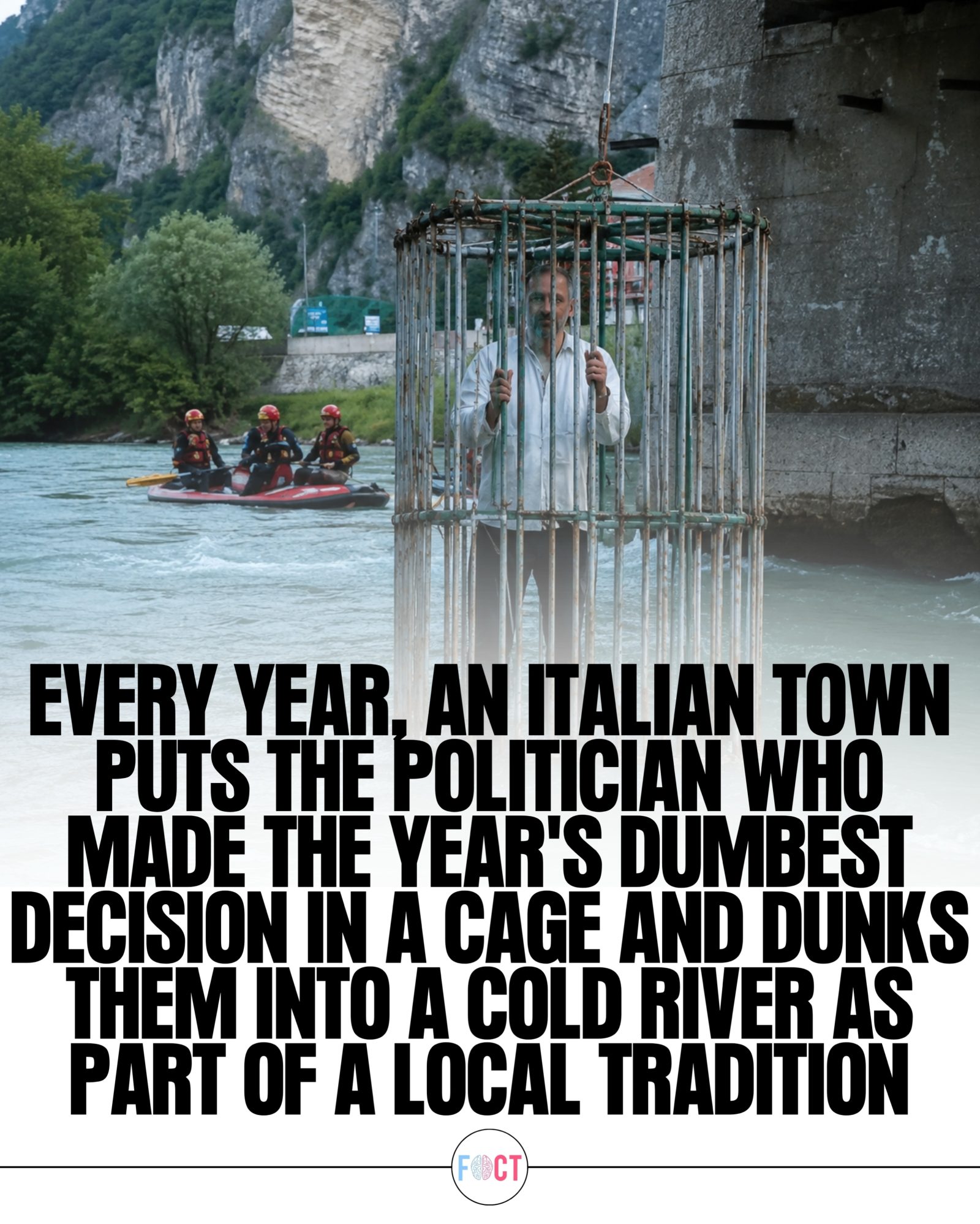
Every year in Trento, Italy, the Feste Vigiliane festival includes a unique theatrical tradition known as La Tonca. This event is a blend of local history, satire, and public accountability, making it one of the festival's most recognizable moments.
Context / Why this Matters
La Tonca is more than just a local spectacle; it serves as a link to the past and a reminder of the power of public scrutiny. Understanding this tradition provides insight into Italian culture, community humor, and the ways in which towns engage with their political figures.
Main Discussion
The Historical Roots
La Tonca has its origins in a centuries-old punishment where individuals who made significant mistakes or unpopular decisions were placed in a cage and dunked into the Adige River. This form of public humiliation was a way to hold people accountable for their actions. Today, the tradition is a mock trial that serves as a humorous reminder of this historical practice.
The Modern Mock Trial
During the Feste Vigiliane, local politicians, officials, and symbolic figures are humorously judged in a public mock trial. The focus is on the year's biggest mistakes and unpopular decisions. The event is carefully staged for comedy, with safety crews nearby and a trained performer taking the plunge rather than the actual politician. This ensures that the tradition remains entertaining and safe while still delivering a satirical message.
The person "sentenced" is symbolically placed inside a metal cage and lowered into the Adige River. This act revives the historical punishment but does so in a lighthearted manner, turning what was once a serious form of accountability into a comedic performance. The event is a unique blend of local history, satire, and public accountability.
The Role of Community
The community plays a significant role in La Tonca. The event is not just about punishing politicians but also about bringing the community together. It's a time for locals to laugh, reflect, and engage with their political figures in a unique way. The presence of safety crews and the use of a trained performer show that while the event is humorous, it is also carefully planned to ensure the safety and enjoyment of all participants.
Practical Tips
If you ever find yourself in Trento during the Feste Vigiliane, La Tonca is an event you won't want to miss. Here are a few tips to make the most of your experience:
- Plan Ahead: Check the festival schedule to ensure you don't miss this unique event. La Tonca is a highlight of the festival, but it's just one of many exciting activities.
- Arrive Early: The event can draw a large crowd, so arriving early will give you a better view and a more enjoyable experience.
- Stay for the Entire Event: La Tonca is a theatrical performance, and the best part often happens at the very end. Make sure to stay until the conclusion to fully appreciate the spectacle.
Important Takeaways
La Tonca is a tradition that blends history, satire, and community engagement. It serves as a reminder of the power of public accountability and the importance of community involvement in governance. The event is a unique way for the people of Trento to come together, laugh, and reflect on the year's events.
Conclusion
La Tonca offers a fascinating glimpse into Italian culture and tradition. It's an event that honors the past while embracing modernity, turning a historical form of punishment into a comedic and community-driven spectacle. Whether you're a history buff, a culture enthusiast, or simply looking for a unique experience, La Tonca is an event that should not be missed.
Watch the Reel
Questions readers ask
What is the Feste Vigiliane festival and where is it held?
The Feste Vigiliane is an annual festival celebrated in Trento, Italy. It is a significant event in the local calendar, featuring various cultural and historical activities, including the unique tradition of La Tonca.
What is La Tonca and why is it significant?
La Tonca is a traditional event during the Feste Vigiliane festival where local politicians are symbolically dunked into the Adige River. It is significant because it combines historical context, satire, and public accountability, offering a unique window into Italian political culture and community engagement.
What is the historical context of La Tonca?
La Tonca traces its origins to a centuries-old practice where individuals who made significant mistakes or unpopular decisions were publicly punished. Over time, this evolved into a satirical event to hold politicians accountable. This tradition links the community to its past.
Why are politicians dunked in the Adige River?
The dunking of politicians in the Adige River is a symbolic act that serves multiple purposes. It is a form of public accountability, a satirical commentary on political decisions, and a reminder of the consequences of past actions. This act is a key part of the local culture and emphasizes the importance of community scrutiny.
What role does satire play in La Tonca?
Satire is a central element of La Tonca. It allows the community to critique political decisions and public figures in a lighthearted yet impactful manner. The tradition makes political accountability more accessible and engaging for the public, fostering a sense of community and shared cultural identity.
How does La Tonca contribute to public accountability in Trento?
La Tonca contributes to public accountability by providing a platform for the community to express its views on political decisions and hold leaders accountable in a public and symbolic way. This tradition encourages transparency and ensures that the public's voice is heard, reinforcing the importance of civic engagement.
Related deep dives
Similar reads based on topic and creator.




Recent articles
Fresh deep dives from the latest Reels we unpacked.


Comments
Be the first to comment.