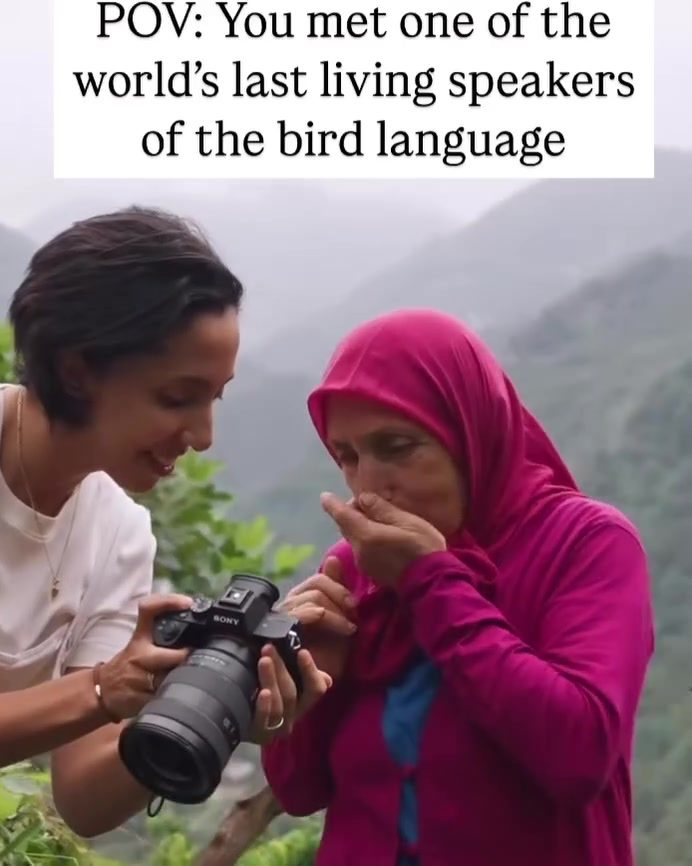
Cultural Preservation
Cultural preservation of endangered languages is a critical endeavor. Let's delve into the significance of preserving the rich linguistic heritage of mountain villages, particularly the whistled language of Kusköy in Türkiye’s Black Sea region.
Context / Why this matters
Language is a cornerstone of cultural identity, and preserving endangered languages is essential for maintaining the diverse tapestry of human heritage. The whistled language of Kusköy, known as Kus Dili, is a unique example of this linguistic diversity. Developed centuries ago by residents of the mountainous village, this language allows communication across steep valleys using intricate whistles that can convey entire Turkish sentences.
Kus Dili was widely used by farmers and shepherds who needed to communicate over long distances in the rugged terrain. However, with the advent of modern technology and changing lifestyles, the use of this unique language has declined significantly. In 2017, UNESCO recognized it as a cultural heritage in need of urgent safeguarding, highlighting the global imperative to preserve such linguistic treasures.
Main discussion
The Whistled Language of Kusköy
Kusköy, a small mountain village nestled in Türkiye's Black Sea region, is home to a remarkable linguistic tradition. The village's whistled language, Kus Dili, is a testament to human ingenuity and the deep connection between language and the environment. The language was developed to facilitate communication across the steep valleys and rugged terrain that characterize the region. Residents would whistle intricate melodies that could convey entire sentences, making it possible to communicate over long distances without shouting or using other means that might disturb the peace.
The Cultural Significance
The cultural significance of Kus Dili goes beyond its practical utility. It is a living link to the past, embodying the traditions and ways of life of the villagers. The language is not just a means of communication; it is a cultural artifact that reflects the unique relationship between the villagers and their natural surroundings. The whistles mimic the sounds of nature, creating a harmonious blend of human communication and the natural environment. For instance, the whistles used to represent certain words or phrases can sound like the songs of birds or the rustling of leaves, integrating the language seamlessly into the natural landscape.
The Role of Linguists
Linguists play a crucial role in documenting and preserving endangered languages like Kus Dili. In the realm of cultural preservation, linguists act as stewards of linguistic heritage, working tirelessly to record and analyze these languages before they disappear. The work of linguists involves not only documenting the language but also understanding its cultural and historical context. By interviewing the last living speakers, linguists can gather valuable insights into the language's structure, vocabulary, and usage.
The Bird Language Phenomenon
The bird language, a term often used to describe whistled languages like Kus Dili, is a fascinating phenomenon. These languages are characterized by their use of whistles to convey meaningful information. The bird language of Kusköy is particularly noteworthy for its complexity and the depth of communication it can achieve. The whistles can convey entire sentences and complex ideas, making it a fully functional language that has served the community for centuries.
Practical tips
For those interested in exploring and preserving endangered languages, here are some practical tips:
Documenting the Language
One of the most important steps in preserving an endangered language is thorough documentation. This involves recording conversations, transcribing texts, and creating dictionaries and grammars. Modern technology, such as high-quality audio and video equipment, can be invaluable in capturing the nuances of the language. For example, in the case of Kus Dili, using a Sony camera to film interviews with the last living speakers can provide a detailed record of both the language and the cultural context in which it is used.
Engaging the Community
Community involvement is essential for the successful preservation of an endangered language. Engaging local residents, especially the last speakers, can ensure that the documentation process is accurate and respectful. Involving the community can also create a sense of ownership and pride in preserving their linguistic heritage. Community events, workshops, and language classes can foster a deeper appreciation for the language and encourage its continued use.
Promoting Awareness
Raising awareness about the importance of preserving endangered languages is crucial. This can be done through various channels, including social media, documentary films, and academic publications. By highlighting the unique features and cultural significance of languages like Kus Dili, awareness campaigns can inspire others to support preservation efforts. For instance, sharing stories of the last living speakers and the challenges they face can evoke empathy and motivate people to take action.
Important takeaways
Preserving endangered languages like Kus Dili is a multifaceted endeavor that requires a combination of documentation, community engagement, and awareness-raising. By understanding the cultural significance of these languages and the role of linguists, we can appreciate the urgency of safeguarding them. Moreover, the unique features of whistled languages like Kus Dili offer insights into the creative ways humans have adapted to their environments, showcasing the resilience and ingenuity of human communication.
Conclusion
The whistled language of Kusköy serves as a poignant reminder of the rich linguistic diversity that exists around the world. As we continue to engage in cultural preservation efforts, it is essential to recognize the importance of languages like Kus Dili and the communities that use them. Through documentation, community engagement, and awareness-raising, we can work towards safeguarding these linguistic treasures for future generations.
Watch the Reel
Questions readers ask
Why is the Kusköy whistled language, Kus Dili, considered endangered?
Kus Dili is considered endangered due to the decline in its daily use, particularly among younger generations who are adopting modern communication methods. The introduction of technology has reduced the need for this traditional form of communication, and preserving it has become a challenge.
How is Kus Dili used in the mountainous terrain of Kusköy?
Kus Dili allows individuals to communicate across the steep valleys and rugged terrain of Kusköy. Using a series of whistles, speakers can convey complete Turkish sentences, making it an efficient tool for communication in areas where direct speech would otherwise be impossible.
What efforts are being made to preserve the whistled language of Kusköy?
Efforts to preserve Kus Dili involve documenting the language and encouraging its use among the younger population. Local initiatives and research projects aim to record the intricate whistles and their meanings, as well as to promote the cultural significance of this unique linguistic tradition.
Who are the last speakers of Kus Dili, and why are they important?
The last speakers of Kus Dili are primarily elderly residents of Kusköy who still remember and use the whistled language. They are crucial for preserving the language, as their knowledge can help document and pass on this cultural heritage to future generations.
How does Kus Dili reflect the cultural heritage of Türkiye's Black Sea region?
Kus Dili is deeply rooted in the history and culture of Türkiye's Black Sea region, particularly in the mountainous village of Kusköy. It reflects the ingenuity of the local population in adapting to their environment and serves as a vital link to the area's past, showcasing the rich linguistic heritage of the region.
Can visitors experience the whistled language of Kusköy firsthand?
Yes, visitors can experience the whistled language of Kusköy firsthand through activities like backpacking and guided tours. These excursions often include interactions with local residents who still use Kus Dili, providing a unique opportunity to witness this endangered linguistic tradition in action.
What role does Kus Dili play in the broader context of Türkiye's linguistic heritage?
Kus Dili is a significant part of Türkiye's linguistic heritage, showcasing the diverse ways in which language has evolved to meet the needs of specific environments. Its preservation is important for understanding the broader tapestry of linguistic practices in Türkiye, particularly in mountainous and isolated regions.
Related deep dives
Similar reads based on topic and creator.




Recent articles
Fresh deep dives from the latest Reels we unpacked.




Comments
Be the first to comment.